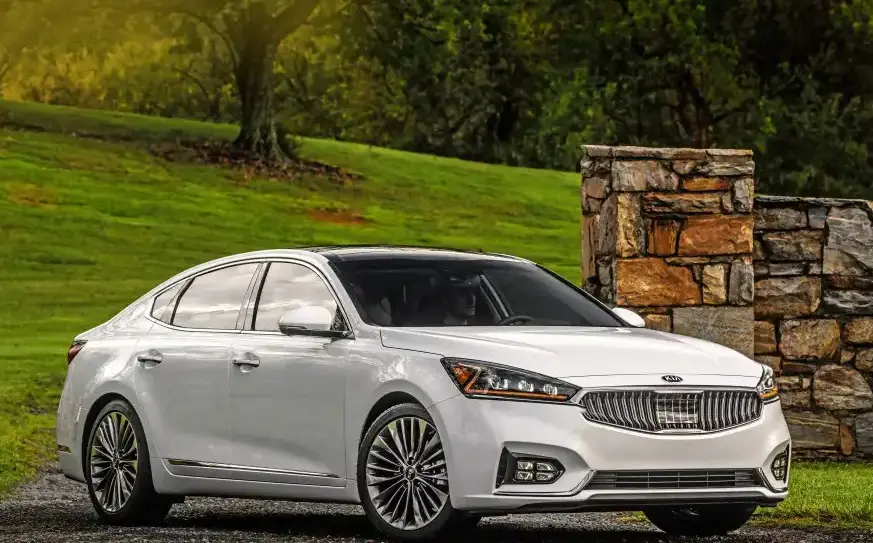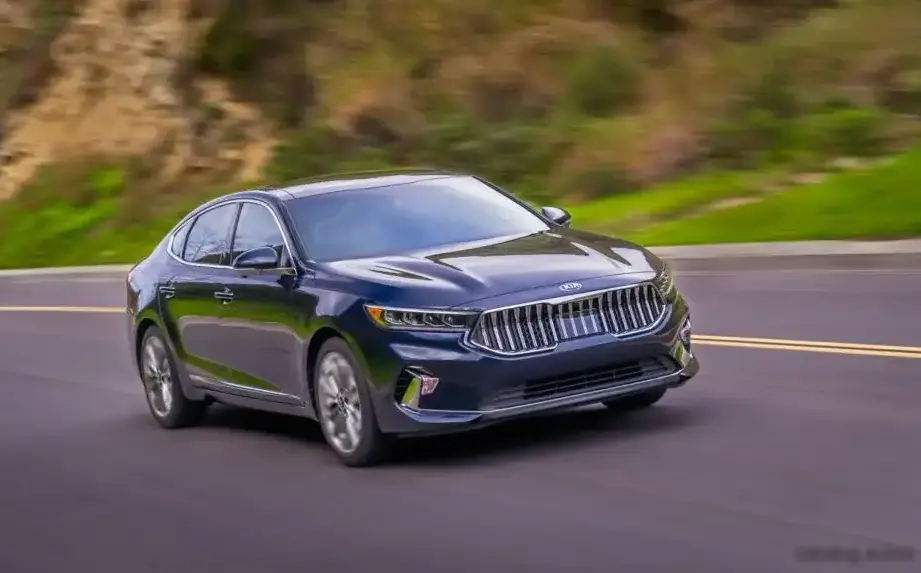
The Kia Cadenza, launched in 2009, represented Kia’s ambitious foray into the full-size sedan segment, primarily targeting the Korean domestic market and select export regions. The first generation, designated the VG, aimed to offer a more premium experience than Kia had previously delivered, competing with established Japanese and American brands. Within the Cadenza I lineup (produced from 2009-2013), the 2.7-liter V6 engine paired with a six-speed automatic transmission occupied a crucial mid-range position, offering a balance between performance and affordability. This variant was designed to appeal to buyers seeking a comfortable and well-equipped sedan without the higher price tag of the flagship 3.5-liter model.
Technical Specifications
| Brand | Kia |
| Model | Cadenza |
| Generation | Cadenza I |
| Type (Engine) | 2.7 V6 (166 Hp) Automatic |
| Start of production | 2009 |
| End of production | 2013 |
| Powertrain Architecture | Internal Combustion engine |
| Body type | Sedan |
| Seats | 5 |
| Doors | 4 |
| CO2 emissions | 212 g/km |
| Fuel Type | Petrol (Gasoline) |
| Weight-to-power ratio | 9.5 kg/Hp, 105.5 Hp/tonne |
| Weight-to-torque ratio | 6.4 kg/Nm, 156.3 Nm/tonne |
| Power | 166 Hp @ 5200 rpm |
| Power per litre | 62.5 Hp/l |
| Torque | 246 Nm @ 4000 rpm, 181.44 lb.-ft. @ 4000 rpm |
| Engine layout | Front, Longitudinal |
| Engine displacement | 2657 cm3, 162.14 cu. in. |
| Number of cylinders | 6 |
| Engine configuration | V-engine |
| Cylinder Bore | 86.7 mm, 3.41 in. |
| Piston Stroke | 75 mm, 2.95 in. |
| Number of valves per cylinder | 4 |
| Fuel injection system | Multi-port manifold injection |
| Engine aspiration | Naturally aspirated engine |
| Valvetrain | DOHC |
| Engine oil capacity | 4.5 l, 4.76 US qt | 3.96 UK qt |
| Kerb Weight | 1574 kg, 3470.08 lbs |
| Trunk (boot) space – minimum | 451 l, 15.93 cu. ft |
| Fuel tank capacity | 85 l, 22.45 US gal | 18.7 UK gal |
| Length | 4965 mm, 195.47 in |
| Width | 1850 mm, 72.83 in |
| Height | 1475 mm, 58.07 in |
| Wheelbase | 2845 mm, 112.01 in |
| Front track | 1613 mm, 63.5 in |
| Rear (Back) track | 1611 mm, 63.43 in |
| Ride height (ground clearance) | 145 mm, 5.71 in |
| Drag coefficient (Cd) | 0.29 |
| Minimum turning circle (turning diameter) | 11.08 m, 36.35 ft |
| Drivetrain Architecture | The Internal combustion engine (ICE) drives the front wheels of the vehicle. |
| Drive wheel | Front wheel drive |
| Number of gears and type of gearbox | 6 gears, automatic transmission |
| Front brakes | Ventilated discs |
| Rear brakes | Disc |
| Assisting systems | ABS (Anti-lock braking system) |
| Steering type | Steering rack and pinion |
| Tires size | 215/65 R16 |
| Wheel rims size | 6.5J x 16 |
Powertrain & Engine Architecture
The heart of this Cadenza variant is the Hyundai/Kia Sigma engine family’s 2.7-liter DOHC V6, internally designated as the G27. This engine utilizes a 60-degree V-angle and features a cast iron block with an aluminum cylinder head. The engine employs multi-point fuel injection, delivering fuel directly into the intake ports. The valvetrain consists of dual overhead camshafts (DOHC) controlling four valves per cylinder, optimizing airflow for improved performance. The 2.7L V6 produces 166 horsepower at 5200 rpm and 246 Nm (181.44 lb-ft) of torque at 4000 rpm. The engine is longitudinally mounted, driving the front wheels through a six-speed automatic transmission. This transmission, a common unit within the Hyundai-Kia group, provides smooth shifts and contributes to the car’s overall refinement.
Driving Characteristics
The 2.7-liter Cadenza offers a comfortable and composed driving experience, prioritizing smoothness over outright performance. The six-speed automatic transmission is tuned for relaxed cruising, with gear changes being almost imperceptible under normal driving conditions. Acceleration is adequate for everyday driving, but it won’t provide the spirited response of the 3.5-liter V6 model. The automatic transmission’s gear ratios are optimized for fuel efficiency and comfortable highway cruising. Compared to the manual transmission options available on other Kia models, the automatic prioritizes ease of use and convenience. While the manual offered a more engaging driving experience, the automatic was favored by buyers seeking a more relaxed and refined ride.
Equipment & Trim Levels
The 2.7-liter Cadenza typically came equipped with a respectable array of standard features. These included air conditioning, power windows and locks, a CD/MP3 stereo system, and alloy wheels. Higher trim levels added features such as leather upholstery, a sunroof, and a navigation system. Interior upholstery was generally cloth on the base 2.7L models, with leather being an optional upgrade. The dashboard layout was designed to be modern and user-friendly, with a focus on ergonomics. Optional extras included a premium sound system, heated front seats, and a rearview camera.
Chassis & Braking
The Cadenza I utilizes a front-wheel-drive platform with a MacPherson strut front suspension and a multi-link rear suspension. This setup provides a comfortable ride quality and decent handling characteristics. The 2.7-liter models typically featured ventilated front disc brakes and solid rear disc brakes. Anti-lock Braking System (ABS) was standard, enhancing safety during emergency braking situations. The suspension tuning was geared towards comfort, with a focus on absorbing bumps and providing a smooth ride. Stabilizer bars were included both front and rear to reduce body roll during cornering.
Market Reception & Comparison
The 2.7-liter Cadenza received generally positive reviews, with critics praising its comfortable ride, spacious interior, and generous equipment list. However, some reviewers noted that the engine lacked the power and refinement of its competitors. Compared to the 3.5-liter V6 model, the 2.7-liter version offered a more affordable entry point into the Cadenza lineup, but at the expense of performance. Fuel economy was a strong point for the 2.7-liter engine, making it an attractive option for buyers prioritizing efficiency. Reliability was generally good, with few major issues reported.
Legacy
The Kia Cadenza I, particularly the 2.7-liter variant, played a significant role in establishing Kia as a credible competitor in the full-size sedan segment. While not as common as the 3.5-liter model, the 2.7-liter version remains a relatively affordable and reliable option on the used car market. The Sigma engine, while not known for being particularly groundbreaking, proved to be durable and relatively easy to maintain. Today, these Cadenzas are often sought after by buyers looking for a comfortable and spacious sedan at a reasonable price. The powertrain, while aging, continues to offer acceptable performance and fuel economy for its age and class.