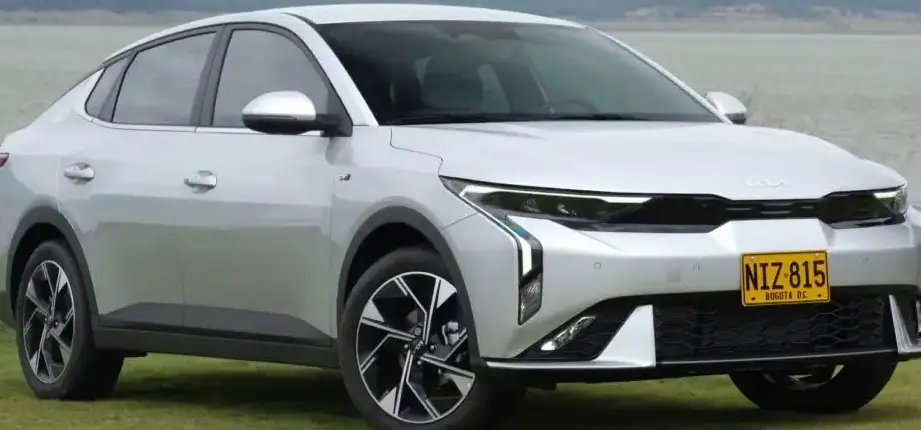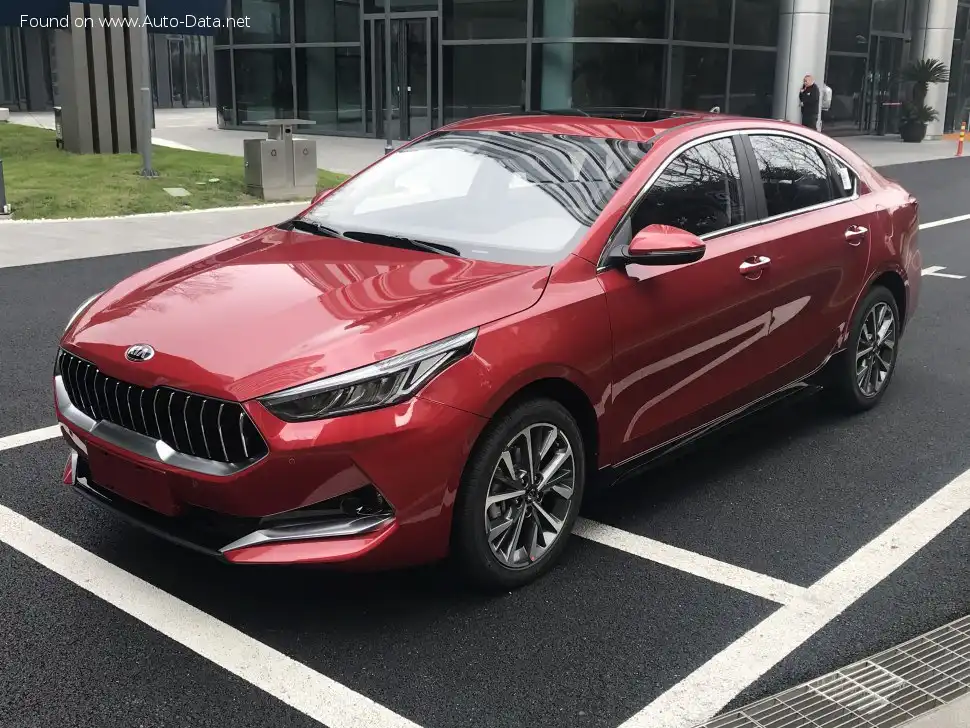
The Kia K3 Sedan II 1.6 (143 Hp) Plug-in Hybrid DCT, produced from June 2019 to April 2021, represents a significant step in Kia’s expansion of electrified vehicle options, primarily targeted towards the Chinese automotive market. This variant occupied a mid-range position within the K3 Sedan II lineup, offering a balance between fuel efficiency, performance, and technology. It was designed to appeal to consumers seeking a modern, eco-conscious sedan with the convenience of both gasoline and electric power. The K3, known as the Cerato in some markets, is a compact sedan that has become a key model for Kia, demonstrating the brand’s commitment to innovation and value.
Technical Specifications
| Brand | Kia |
| Model | K3 |
| Generation | K3 Sedan II |
| Type (Engine) | 1.6 (143 Hp) Plug-in Hybrid DCT |
| Start of production | June, 2019 |
| End of production | April, 2021 |
| Powertrain Architecture | PHEV (Plug-in Hybrid Electric Vehicle) |
| Body type | Sedan |
| Seats | 5 |
| Doors | 4 |
| Fuel consumption (combined) | 1 l/100 km (235.2 US mpg, 282.5 UK mpg, 100 km/l) |
| Fuel Type | Petrol / electricity |
| Maximum speed | 175 km/h (108.74 mph) |
| Emission standard | China VI |
| Weight-to-power ratio | 10.8 kg/Hp, 92.6 Hp/tonne |
| Weight-to-torque ratio | 10.5 kg/Nm, 95.1 Nm/tonne |
| Gross battery capacity | 12.9 kWh |
| All-electric range | 80 km (49.71 mi) |
| Electric motor power | 61 Hp |
| Electric motor Torque | 170 Nm @ 6000 rpm (125.39 lb.-ft. @ 6000 rpm) |
| Electric motor location | Between the combustion engine and the transmission |
| System power | 143 Hp |
| Engine Power | 105 Hp @ 5700 rpm |
| Power per litre | 66.5 Hp/l |
| Engine Torque | 147 Nm @ 4000 rpm (108.42 lb.-ft. @ 4000 rpm) |
| Engine layout | Front, Transverse |
| Engine Model/Code | Smartstream / G4LE |
| Engine displacement | 1580 cm3 (96.42 cu. in.) |
| Number of cylinders | 4 |
| Engine configuration | Inline |
| Engine oil capacity | 3.8 l (4.02 US qt | 3.34 UK qt) |
| Kerb Weight | 1545 kg (3406.14 lbs.) |
| Fuel tank capacity | 40 l (10.57 US gal | 8.8 UK gal) |
| Length | 4660 mm (183.46 in.) |
| Width | 1780 mm (70.08 in.) |
| Height | 1450 mm (57.09 in.) |
| Wheelbase | 2700 mm (106.3 in.) |
| Ride height (ground clearance) | 170 mm (6.69 in.) |
| Minimum turning circle | 10.6 m (34.78 ft.) |
| Drive wheel | Front wheel drive |
| Number of gears and type of gearbox | 6 gears, automatic transmission DCT |
| Front suspension | Independent type McPherson |
| Rear suspension | Torsion |
| Assisting systems | ABS (Anti-lock braking system) |
| Steering type | Steering rack and pinion |
| Power steering | Electric Steering |
| Tires size | 205/55 R16 |
| Wheel rims size | 16 |
Powertrain & Engine Architecture
The heart of the K3 Plug-in Hybrid is Kia’s Smartstream G4LE 1.6-liter inline-four cylinder gasoline engine. This engine produces 105 horsepower at 5700 rpm and 147 Nm (108.42 lb.-ft.) of torque at 4000 rpm. It utilizes multi-point fuel injection and a dual continuously variable valve timing (CVVT) system to optimize efficiency and power delivery. The engine is paired with a 61 horsepower electric motor, strategically positioned between the engine and the dual-clutch transmission (DCT). This configuration allows for both electric-only driving and a combined output of 143 horsepower. The 12.9 kWh battery pack provides an all-electric range of approximately 80 kilometers (49.71 miles), making it suitable for daily commutes and short trips. The DCT, a 6-speed unit, was chosen for its responsiveness and efficiency compared to traditional automatic transmissions.
Driving Characteristics
The 1.6L Plug-in Hybrid DCT offers a noticeably different driving experience compared to the standard gasoline-powered K3 variants. In electric mode, the vehicle provides near-silent acceleration and instant torque, making it ideal for city driving. When the gasoline engine engages, the transition is generally smooth, although some drivers may notice a slight change in engine note. The DCT provides quick and precise gear changes, contributing to a more engaging driving experience. While not a performance-oriented vehicle, the combined 143 horsepower provides adequate power for everyday driving situations. The weight of the battery pack does add some weight to the vehicle, which can be felt during more spirited driving, but the regenerative braking system helps to recoup some of that energy.
Equipment & Trim Levels
The K3 Sedan II 1.6 Plug-in Hybrid DCT typically came well-equipped, reflecting its position as a mid-range offering. Standard features often included automatic climate control, a touchscreen infotainment system with smartphone integration (Apple CarPlay and Android Auto), a rearview camera, and a suite of safety features such as ABS, electronic stability control, and multiple airbags. Interior upholstery was typically cloth, with options for leather upgrades. Higher trim levels offered features like a sunroof, heated front seats, and advanced driver-assistance systems (ADAS) such as lane departure warning and automatic emergency braking. The specific features available varied depending on the region and optional packages selected.
Chassis & Braking
The K3 Sedan II utilized a McPherson strut front suspension and a torsion beam rear suspension. This setup provided a good balance between ride comfort and handling. The suspension was tuned to prioritize comfort, making it well-suited for everyday driving. Braking duties were handled by disc brakes on the front wheels and drum brakes on the rear wheels in many configurations, although some higher trim levels featured disc brakes all around. The electric motor also contributed to braking through regenerative braking, which helped to recharge the battery and reduce wear on the conventional brakes. Electric power steering provided light and precise steering feel.
Market Reception & Comparison
The K3 Plug-in Hybrid was generally well-received by critics and consumers in the Chinese market. It was praised for its fuel efficiency, comfortable ride, and modern features. Compared to the standard gasoline-powered K3, the Plug-in Hybrid offered significantly better fuel economy and the ability to drive in electric-only mode, reducing emissions. Compared to other plug-in hybrid sedans in its class, the K3 offered a competitive price point and a generous all-electric range. However, some critics noted that the combined power output was not as high as some of its rivals, and the interior materials were not as premium as some competitors.
Legacy
The Kia K3 Sedan II 1.6 Plug-in Hybrid DCT played a role in establishing Kia as a serious contender in the growing plug-in hybrid market. The Smartstream engine and DCT transmission proved to be reliable and efficient. On the used car market, these models generally hold their value well, particularly those with low mileage and well-maintained service records. The powertrain, while not without its complexities, has demonstrated reasonable long-term reliability. As consumer demand for electrified vehicles continues to grow, the K3 Plug-in Hybrid represents an important step in Kia’s journey towards a more sustainable future.