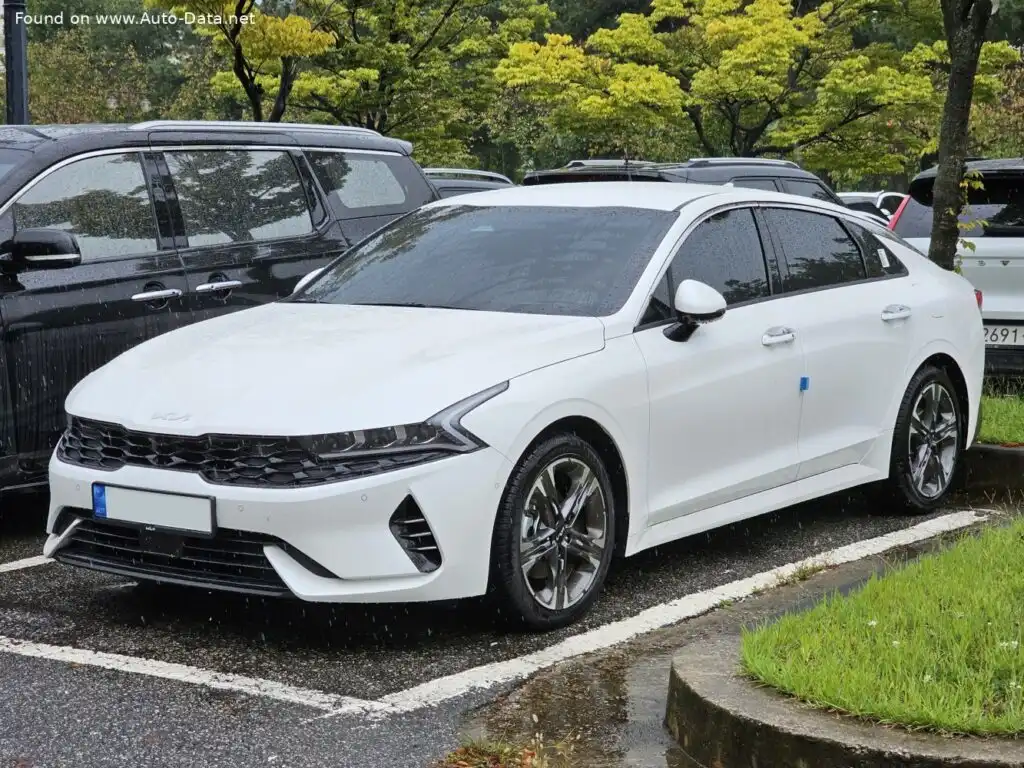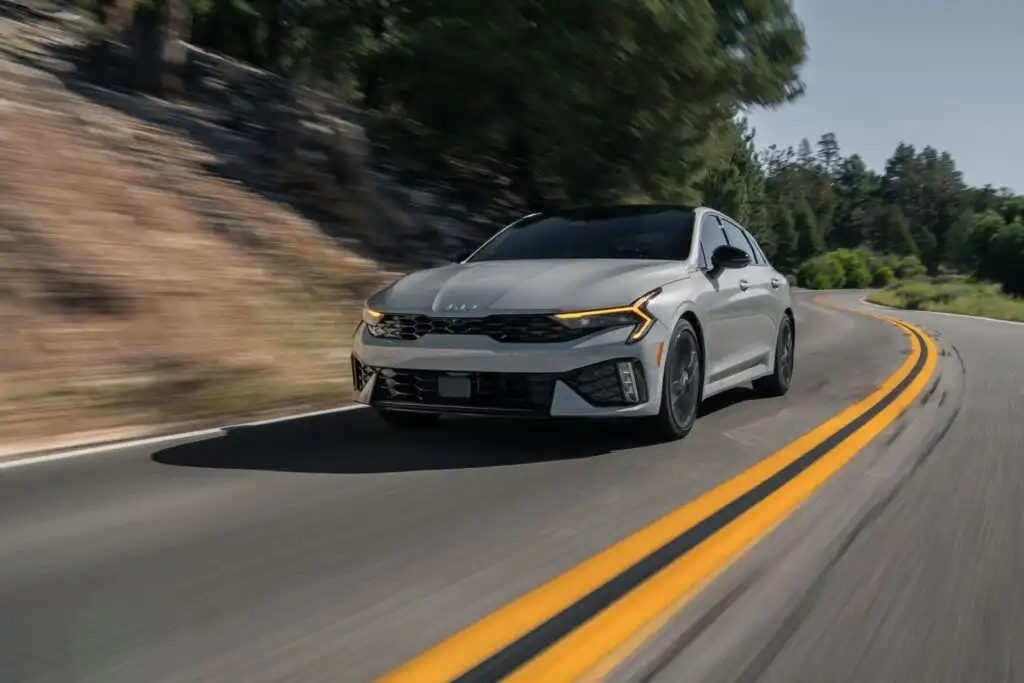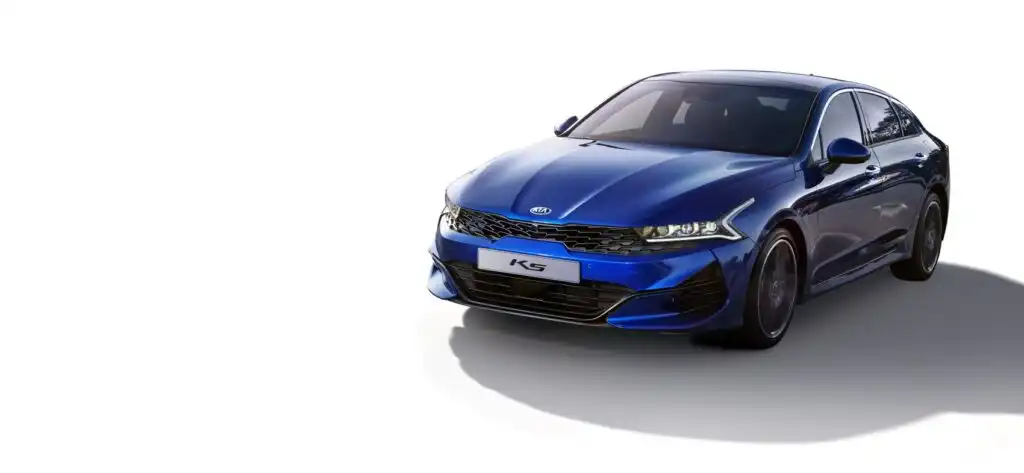
The Kia K5 2.0, equipped with a 160 horsepower engine and an automatic transmission, represents a significant entry point into the fourth generation of Kia’s mid-size sedan, launched for the 2020 model year and continuing through October 2023. Replacing the Optima, the K5 aimed to offer a more stylish and technologically advanced package, appealing to a broader demographic. This particular 2.0-liter variant served as the base engine option in the North American market, positioned below the more powerful turbocharged engines and offering a balance of affordability and reasonable performance. The K5, built on the N3 platform, was designed to compete directly with established rivals like the Honda Accord, Toyota Camry, and Hyundai Sonata.
Technical Specifications
| Brand | Kia |
| Model | K5 |
| Generation | K5 |
| Type (Engine) | 2.0 (160 Hp) Automatic |
| Start of production | 2020 |
| End of production | October, 2023 |
| Powertrain Architecture | Internal Combustion engine |
| Body type | Sedan, Fastback |
| Seats | 5 |
| Doors | 4 |
| Fuel consumption (urban) | 8.7-8.8 l/100 km (27 – 26.7 US mpg) |
| Fuel consumption (extra urban) | 6.5-6.7 l/100 km (36.2 – 35.1 US mpg) |
| Fuel consumption (combined) | 7.7-7.8 l/100 km (30.5 – 30.2 US mpg) |
| CO2 emissions | 129-132 g/km |
| Fuel Type | Petrol (Gasoline) |
| Weight-to-power ratio | 8.8 kg/Hp, 113.1 Hp/tonne |
| Weight-to-torque ratio | 7.2 kg/Nm, 138.5 Nm/tonne |
| Power | 160 Hp @ 6500 rpm |
| Power per litre | 80 Hp/l |
| Torque | 196 Nm @ 4800 rpm (144.56 lb.-ft. @ 4800 rpm) |
| Engine layout | Front, Transverse |
| Engine displacement | 1999 cm3 (121.99 cu. in.) |
| Number of cylinders | 4 |
| Engine configuration | Inline |
| Fuel injection system | Multi-port manifold injection |
| Engine aspiration | Naturally aspirated engine |
| Valvetrain | CVVL |
| Kerb Weight | 1415-1435 kg (3119.54 – 3163.63 lbs.) |
| Length | 4905 mm (193.11 in.) |
| Width | 1860 mm (73.23 in.) |
| Height | 1445 mm (56.89 in.) |
| Wheelbase | 2850 mm (112.2 in.) |
| Front track | 1618-1623 mm (63.7 – 63.9 in.) |
| Rear track | 1625-1630 mm (63.98 – 64.17 in.) |
| Drivetrain Architecture | Front wheel drive |
| Drive wheel | Front wheel drive |
| Number of gears | 6 |
| Gearbox type | automatic transmission |
| Front suspension | Independent type McPherson |
| Rear suspension | Independent multi-link suspension |
| Front brakes | Ventilated discs |
| Rear brakes | Disc |
| Assisting systems | ABS (Anti-lock braking system) |
| Steering type | Steering rack and pinion |
| Power steering | Electric Steering |
| Tires size | 215/55 R17; 235/45 R18 |
| Wheel rims size | 17; 18 |
Powertrain & Engine Architecture
The K5 2.0 utilizes Kia’s Smartstream G2.0 engine, a naturally aspirated inline-four cylinder powerplant. This engine, designated as the NU engine family, features a multi-point fuel injection system and Kia’s Continuously Variable Valve Lift (CVVL) technology. CVVL optimizes valve timing based on driving conditions, improving both fuel efficiency and engine responsiveness. The engine produces 160 horsepower at 6,500 rpm and 196 Nm (144.56 lb-ft) of torque at 4,800 rpm. The engine is transversely mounted in the front of the vehicle. Paired with the engine is a 6-speed automatic transmission, designed for smooth shifting and efficient operation. This transmission isn’t known for particularly sporty performance, but prioritizes comfort and fuel economy.
Driving Characteristics
The 160-hp K5 2.0 Automatic delivers adequate, but not exhilarating, performance. Acceleration is sufficient for everyday driving situations, but passing maneuvers on the highway require planning. The automatic transmission is tuned for comfort, with relatively smooth gear changes. The gear ratios are optimized for fuel efficiency rather than outright speed. Compared to the available 1.6-liter turbocharged engine or the 2.5-liter turbo, the 2.0-liter feels noticeably less powerful. The turbo engines offer significantly quicker acceleration and a more engaging driving experience. However, the naturally aspirated 2.0-liter provides a more linear power delivery, which some drivers may prefer for its predictability.
Equipment & Trim Levels
The K5 2.0 typically came standard with features like an 8-inch touchscreen infotainment system with Apple CarPlay and Android Auto compatibility, a suite of driver-assistance technologies (including forward collision avoidance assist, lane keeping assist, and driver attention warning), and cloth upholstery. Higher trim levels, such as the EX, added features like a larger 10.25-inch touchscreen, leather upholstery, a power driver’s seat, and a premium audio system. Optional extras included a panoramic sunroof, adaptive cruise control, and a wireless phone charger. The base LX trim was fairly spartan, while the GT-Line added some sporty styling cues.
Chassis & Braking
The K5 utilizes a front-wheel-drive layout with an independent McPherson strut suspension in the front and an independent multi-link suspension in the rear. This suspension setup provides a comfortable ride quality, absorbing bumps and imperfections in the road effectively. The K5 2.0 is equipped with ventilated disc brakes in the front and solid disc brakes in the rear. Anti-lock braking system (ABS) is standard. The steering is an electric power-assisted rack and pinion system, providing light and precise steering feel. The standard tire size is 215/55R17, with 235/45R18 tires available on higher trim levels.
Market Reception & Comparison
Critics generally praised the K5 for its stylish design and generous standard features. However, the 2.0-liter engine received mixed reviews. While it was considered adequate for daily commuting, some reviewers found it underpowered, especially when compared to the turbocharged options. Fuel economy was generally considered good, with the K5 achieving around 30 mpg combined. In terms of reliability, the K5 has generally received positive ratings, although some owners have reported minor issues with the infotainment system. Compared to the Honda Accord and Toyota Camry, the K5 offered a more aggressive design and a lower starting price, but lacked the established reputation for long-term reliability of its Japanese competitors.
Legacy
The Kia K5 2.0 Automatic, while not the most powerful or sporty version of the K5, remains a popular choice in the used car market due to its affordability and fuel efficiency. The Smartstream G2.0 engine has proven to be relatively reliable, with few major issues reported. The 6-speed automatic transmission is also known for its durability. As a result, well-maintained K5 2.0 models continue to offer good value for buyers seeking a comfortable and practical mid-size sedan. The K5 marked a significant step forward for Kia in terms of design and technology, helping to establish the brand as a serious contender in the competitive mid-size sedan segment.