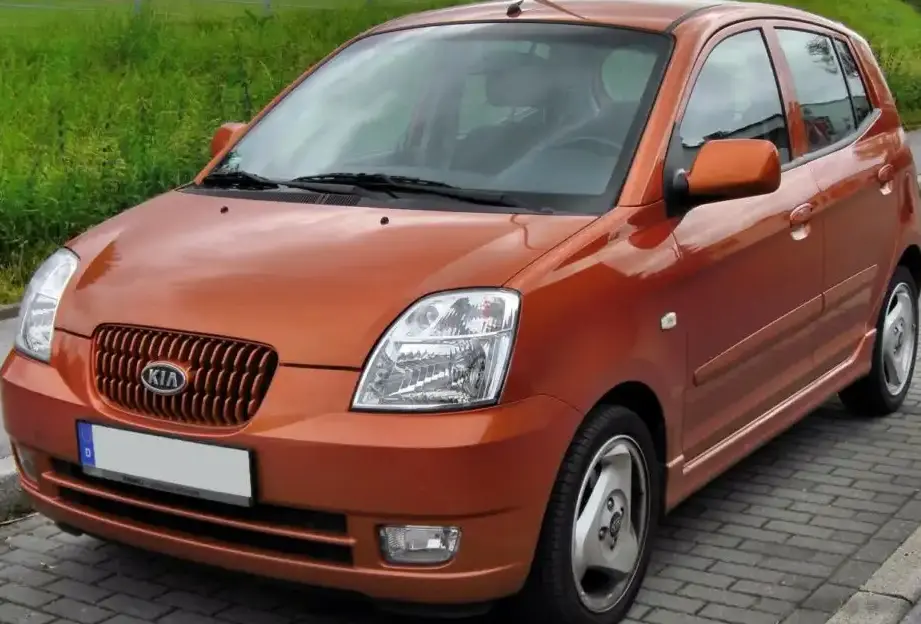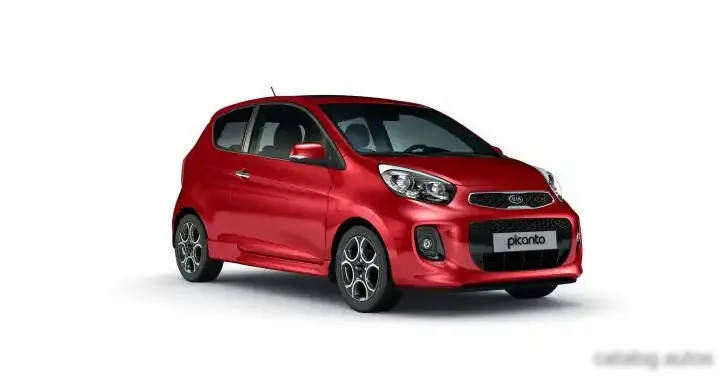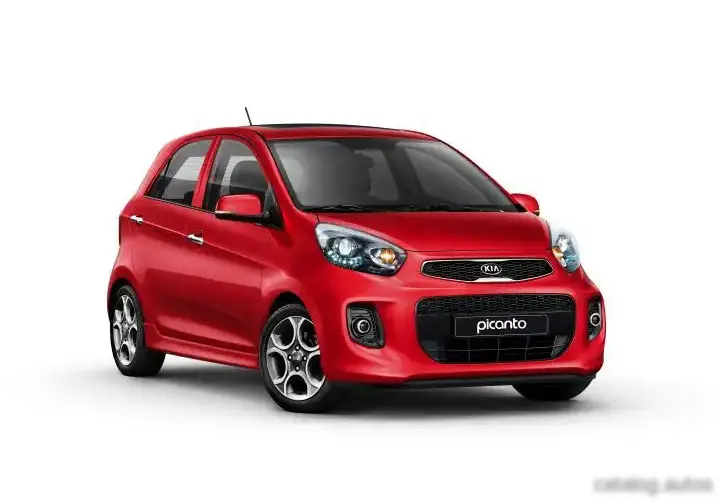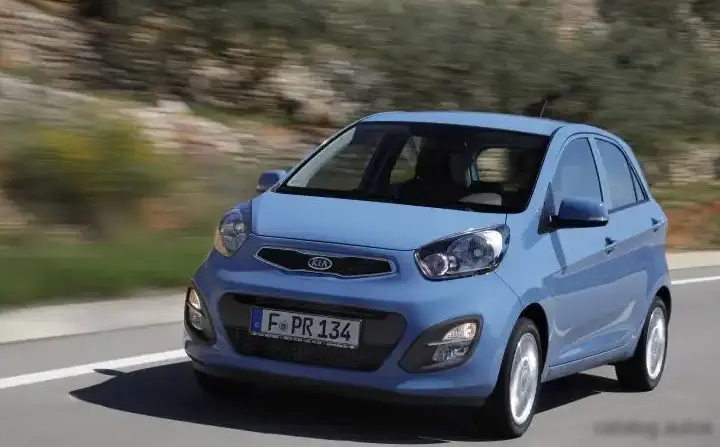
The Kia Picanto II 5D 1.0 16V, produced from 2011 to 2015, represents the second generation of Kia’s city car, the Picanto. This particular variant, powered by a 1.0-liter inline-three engine producing 69 horsepower, served as the entry point into the Picanto lineup in many European and Asian markets. Positioned as an affordable and economical option, it targeted first-time car buyers, commuters, and those seeking a practical vehicle for urban environments. The Picanto II, built on the TA platform, aimed to improve upon the first generation with enhanced styling, interior space, and safety features. This 5-door hatchback configuration was particularly popular for its increased practicality compared to the 3-door model offered in some regions.
Technical Specifications
| Brand | Kia |
| Model | Picanto |
| Generation | Picanto II 5D |
| Type (Engine) | 1.0 16V (69 Hp) |
| Start of production | 2011 |
| End of production | 2015 |
| Powertrain Architecture | Internal Combustion engine |
| Body type | Hatchback |
| Seats | 5 |
| Doors | 5 |
| Fuel consumption (urban) | 5.4 l/100 km (43.6 US mpg) |
| Fuel consumption (extra urban) | 3.6 l/100 km (65.3 US mpg) |
| Fuel consumption (combined) | 4.2 l/100 km (56 US mpg) |
| Fuel Type | Petrol (Gasoline) |
| Acceleration 0 – 100 km/h | 14.4 sec |
| Acceleration 0 – 62 mph | 14.4 sec |
| Acceleration 0 – 60 mph | 13.7 sec |
| Maximum speed | 153 km/h (95.07 mph) |
| Emission standard | Euro 5 |
| Weight-to-power ratio | 12.2 kg/Hp |
| Weight-to-torque ratio | 8.8 kg/Nm |
| Power | 69 Hp |
| Power per litre | 69.1 Hp/l |
| Torque | 95 Nm @ 3500 rpm (70.07 lb.-ft. @ 3500 rpm) |
| Engine layout | Front, Transverse |
| Engine Model/Code | G3LA |
| Engine displacement | 998 cm3 (60.9 cu. in.) |
| Number of cylinders | 3 |
| Engine configuration | Inline |
| Fuel injection system | Multi-port manifold injection |
| Engine aspiration | Naturally aspirated engine |
| Engine oil capacity | 2.9 l (3.06 US qt | 2.55 UK qt) |
| Coolant capacity | 5.1 l (5.39 US qt | 4.49 UK qt) |
| Kerb Weight | 840 kg (1851.88 lbs.) |
| Max. weight | 1300 kg (2866.01 lbs.) |
| Max load | 460 kg (1014.13 lbs.) |
| Trunk (boot) space – minimum | 200 l (7.06 cu. ft.) |
| Trunk (boot) space – maximum | 605 l (21.37 cu. ft.) |
| Fuel tank capacity | 35 l (9.25 US gal | 7.7 UK gal) |
| Length | 3595 mm (141.54 in.) |
| Width | 1595 mm (62.8 in.) |
| Height | 1480 mm (58.27 in.) |
| Wheelbase | 2385 mm (93.9 in.) |
| Front track | 1421 mm (55.94 in.) |
| Rear track | 1424 mm (56.06 in.) |
| Minimum turning circle | 9.8 m (32.15 ft.) |
| Number of gears | 5 |
| Gearbox type | Manual transmission |
Powertrain & Engine Architecture
The heart of the Picanto II 5D 1.0 16V is the G3LA engine, a 998cc inline-three cylinder gasoline engine. This engine utilizes a multi-point fuel injection system, delivering fuel directly into the intake ports. The engine features a double overhead camshaft (DOHC) valvetrain, optimizing airflow for improved efficiency and power output. The G3LA engine is known for its simplicity and reliability, characteristics prioritized for this entry-level model. The 5-speed manual transmission was the standard offering for this variant, providing a direct connection between the engine and the front wheels. The transmission’s gear ratios were tuned for maximizing fuel economy and providing adequate acceleration for city driving. While not a performance-oriented setup, the gearing allowed the engine to operate efficiently at typical urban speeds.
Driving Characteristics
The 69 horsepower and 95 Nm (70 lb-ft) of torque produced by the 1.0-liter engine translate to modest, but adequate, performance. Acceleration from 0 to 60 mph takes approximately 13.7 seconds, and the top speed is around 95 mph. In real-world driving, the Picanto 1.0 feels best suited to urban environments and slower-speed roads. The engine requires frequent downshifts when overtaking or climbing hills. Compared to the more powerful 1.25-liter engine option available in some markets, the 1.0-liter feels noticeably less responsive. However, the lighter engine weight contributes to nimble handling and easy maneuverability in tight spaces. The manual transmission provides a more engaging driving experience than an automatic would, allowing the driver to maintain control over the engine’s power band.
Equipment & Trim Levels
The Picanto II 5D 1.0 16V typically came with a basic, yet functional, equipment list. Standard features generally included power steering, central locking, electric front windows, and a basic audio system with USB connectivity. Safety features included ABS (Anti-lock Braking System) and airbags for the driver and front passenger. Interior upholstery was typically cloth, with a simple dashboard layout. Optional extras, depending on the market, could include air conditioning, alloy wheels, and a more advanced audio system. The trim level for this engine/transmission combination was generally considered the base model, focusing on affordability and essential features.
Chassis & Braking
The Picanto II 5D utilizes a front-wheel-drive chassis with a MacPherson strut front suspension and a torsion beam rear suspension. This setup provides a comfortable ride quality, particularly on smooth roads. The front brakes are typically ventilated discs, while the rear brakes are drum brakes. This configuration was chosen to keep costs down while providing adequate stopping power for the vehicle’s weight and performance. The steering is a rack and pinion system, offering precise and responsive handling. Stabilizer bars were often omitted on the base model to further reduce costs, resulting in slightly more body roll during cornering.
Market Reception & Comparison
The Kia Picanto II 5D 1.0 16V was generally well-received by critics as an affordable and practical city car. Its fuel economy – around 56 US mpg combined – was a major selling point. However, the engine’s lack of power was often criticized, particularly when compared to competitors offering larger engines. Compared to the 1.25-liter Picanto variant, the 1.0-liter offered significantly better fuel economy but at the expense of performance. Reliability was generally considered good, with the G3LA engine proving to be durable and relatively maintenance-free. The Picanto competed with other city cars such as the Hyundai i10, Fiat Panda, and Toyota Aygo.
Legacy
The Kia Picanto II 5D 1.0 16V remains a popular choice in the used car market, particularly for those seeking an affordable and economical vehicle. The G3LA engine is known for its longevity and relatively low maintenance costs. While not a particularly exciting car to drive, its practicality, fuel efficiency, and reliability have ensured its continued appeal. Common issues reported with these vehicles are typically related to wear and tear on suspension components and minor electrical faults, but overall, the Picanto II 1.0 is considered a dependable and cost-effective option for budget-conscious buyers.