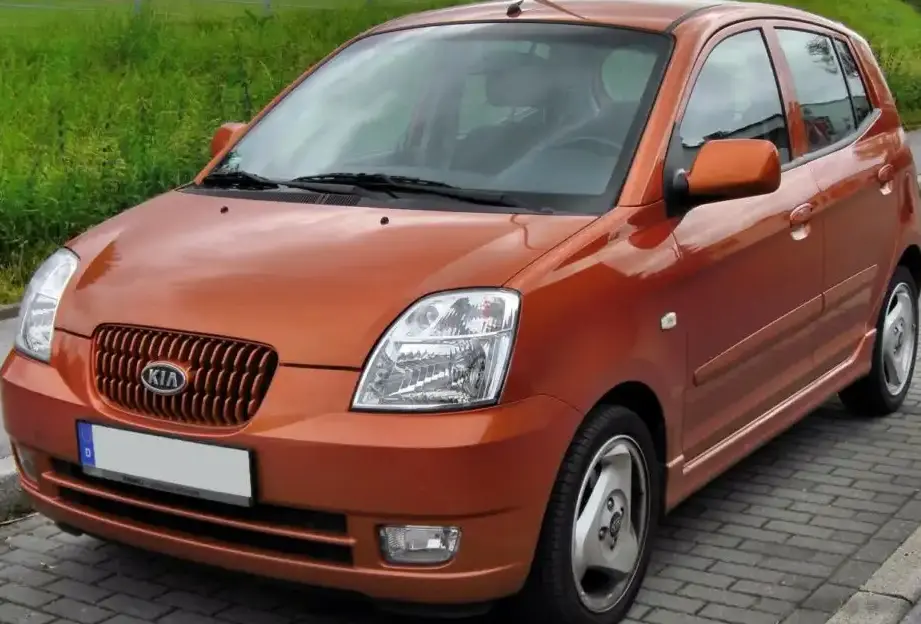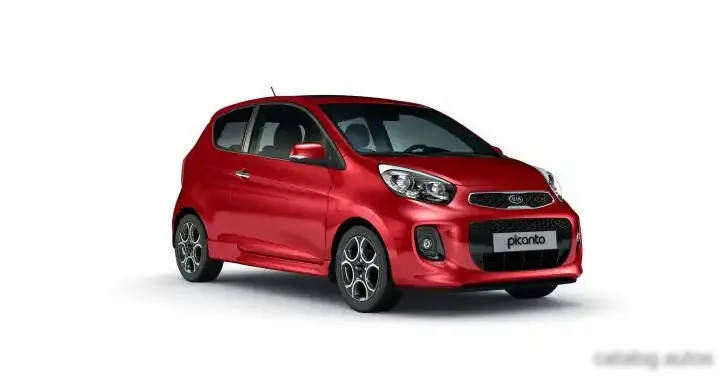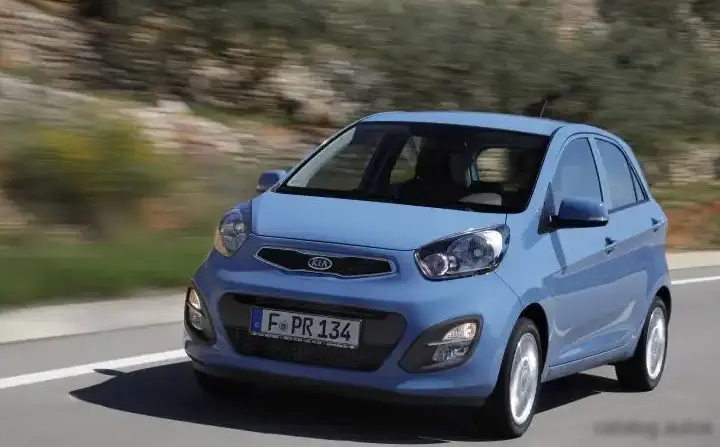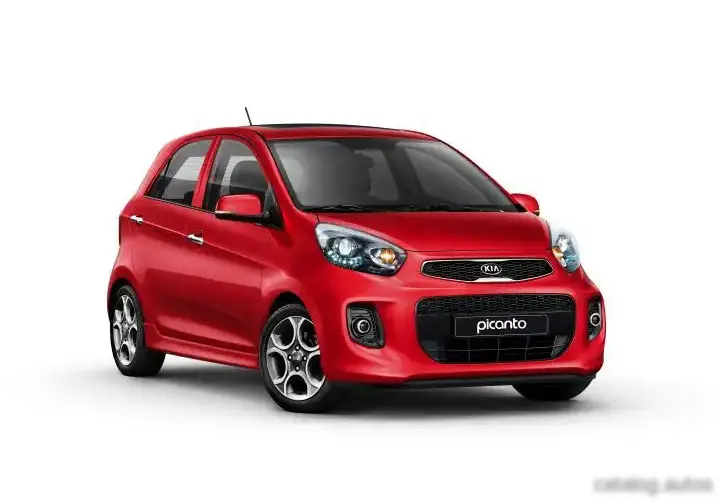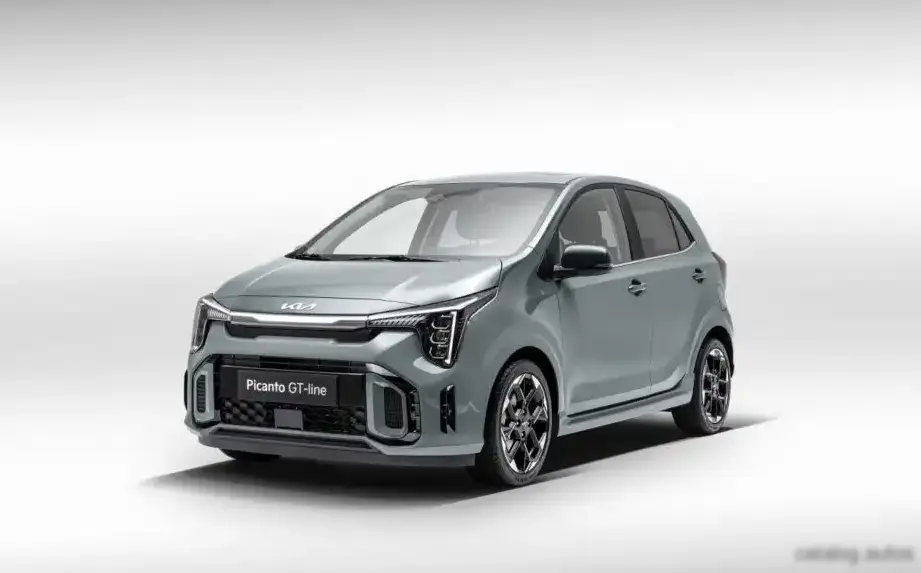
The Kia Picanto III, specifically the facelifted version introduced in March 2024, represents Kia’s continued effort to offer an affordable and practical city car. The 1.2 DPi (79 horsepower) Automatic variant, produced from March 2024 to January 2025, occupied the entry-level position within the Picanto III range, offering a balance of economy and ease of use. This model is primarily targeted towards urban drivers seeking a compact and fuel-efficient vehicle, particularly those who prefer the convenience of an automatic transmission. It’s a key offering in the European and Asian markets where small, economical cars are highly sought after.
Technical Specifications
| Brand | Kia |
| Model | Picanto |
| Generation | Picanto III (facelift 2023) |
| Type (Engine) | 1.2 DPi (79 Hp) Automatic |
| Start of production | March, 2024 |
| End of production | January, 2025 |
| Powertrain Architecture | Internal Combustion engine |
| Body type | Hatchback |
| Seats | 5 |
| Doors | 5 |
| CO2 emissions (WLTP) | 132 g/km |
| Fuel Type | Petrol (Gasoline) |
| Acceleration 0 – 100 km/h | 16.5 sec |
| Acceleration 0 – 62 mph | 16.5 sec |
| Acceleration 0 – 60 mph | 15.7 sec |
| Maximum speed | 164 km/h / 101.9 mph |
| Emission standard | Euro 6e |
| Power | 79 Hp |
| Power per litre | 66 Hp/l |
| Torque | 113 Nm @ 4200 rpm / 83.34 lb.-ft. @ 4200 rpm |
| Engine layout | Front, Transverse |
| Engine Model/Code | G4LF |
| Engine displacement | 1197 cm3 / 73.05 cu. in. |
| Number of cylinders | 4 |
| Engine configuration | Inline |
| Number of valves per cylinder | 4 |
| Fuel injection system | Multi-port manifold injection |
| Engine aspiration | Naturally aspirated engine |
| Engine oil capacity | 3.8 l / 4.02 US qt | 3.34 UK qt |
| Coolant | 5.4 l / 5.71 US qt | 4.75 UK qt |
| Fuel tank capacity | 35 l / 9.25 US gal | 7.7 UK gal |
| Length | 3605 mm / 141.93 in. |
| Width | 1595 mm / 62.8 in. |
| Height | 1485 mm / 58.46 in. |
| Wheelbase | 2400 mm / 94.49 in. |
| Drivetrain Architecture | The Internal combustion engine (ICE) drives the front wheels of the vehicle. |
| Drive wheel | Front wheel drive |
| Number of gears and type of gearbox | 5 gears, automatic transmission |
| Front suspension | Independent type McPherson |
| Rear suspension | Torsion |
| Front brakes | Ventilated discs |
| Rear brakes | Disc |
| Assisting systems | ABS (Anti-lock braking system) |
| Steering type | Steering rack and pinion |
| Power steering | Electric Steering |
| Tires size | 195/45 R16 84V XL |
| Wheel rims size | 16 |
Powertrain & Engine Architecture
The heart of the Picanto 1.2 DPi Automatic is the G4LF engine, a 1.2-liter inline-four cylinder naturally aspirated gasoline engine. This engine utilizes a multi-point fuel injection system, delivering fuel directly into the intake ports. The engine produces 79 horsepower and 113 Nm (83.34 lb-ft) of torque at 4200 rpm. The engine’s design prioritizes fuel efficiency and smooth operation over outright performance. The automatic transmission is a conventional 5-speed unit, chosen for its simplicity and cost-effectiveness. It’s not a particularly sophisticated transmission, lacking features like paddle shifters or sport modes, but it provides smooth and predictable gear changes suitable for city driving.
Driving Characteristics
The 1.2 DPi Automatic Picanto delivers a driving experience geared towards comfort and ease of use. Acceleration is modest, with a 0-60 mph time of around 15.7 seconds. The automatic transmission contributes to a relaxed driving style, particularly in urban environments. The gear ratios are tuned for fuel economy, meaning the engine can feel strained when accelerating quickly or climbing hills. Compared to the manual transmission version of the same engine, the automatic offers less driver engagement but greater convenience. Higher-spec Picanto models with larger engines (like the 1.0 T-GDi) offer significantly more performance, but at a higher price point and with reduced fuel economy.
Equipment & Trim Levels
The 1.2 DPi Automatic typically came with a base level of equipment, focusing on essential features. Standard amenities generally included air conditioning, power windows, central locking, and a basic audio system with Bluetooth connectivity. Safety features such as ABS, airbags, and stability control were also standard. Higher trim levels offered upgrades like alloy wheels, a touchscreen infotainment system, rear parking sensors, and a leather-wrapped steering wheel. Interior upholstery was typically cloth, with a simple and durable design. The overall interior aesthetic prioritized practicality over luxury.
Chassis & Braking
The Picanto III utilizes a front-wheel-drive layout with an independent McPherson strut suspension at the front and a torsion beam suspension at the rear. This setup provides a comfortable ride quality, particularly on smooth roads. The front brakes are ventilated discs, while the rear brakes are solid discs. The steering is electrically assisted, providing light and easy steering feel. The suspension is tuned for comfort rather than sporty handling, resulting in a slight degree of body roll during cornering. The 16-inch wheels and 195/45 R16 tires contribute to a balanced ride and handling compromise.
Market Reception & Comparison
The Kia Picanto 1.2 DPi Automatic was generally well-received by critics as a practical and affordable city car. Its fuel economy (132 g/km CO2 emissions) was a key selling point, and the automatic transmission appealed to drivers seeking convenience. However, some reviewers noted the engine’s lack of power, particularly when fully loaded or on inclines. Compared to other small automatics in the segment, such as the Hyundai i10 or Volkswagen up!, the Picanto offered a competitive price and a generous warranty. Reliability reports suggest the G4LF engine and the 5-speed automatic transmission are generally reliable, although regular maintenance is crucial.
Legacy
The Kia Picanto III 1.2 DPi Automatic has established itself as a dependable and economical choice in the used car market. Its simple mechanical design and relatively low running costs make it an attractive option for budget-conscious buyers. While not a performance car, its practicality and ease of use have earned it a loyal following. The availability of spare parts and the relatively straightforward repair procedures contribute to its long-term appeal. As a city car, it continues to offer a viable and affordable transportation solution for those seeking a compact and fuel-efficient vehicle.