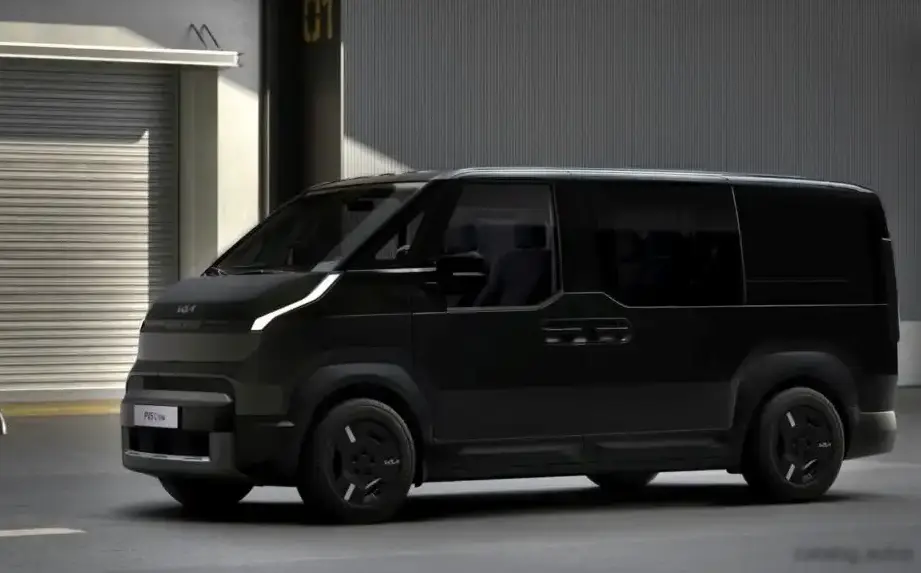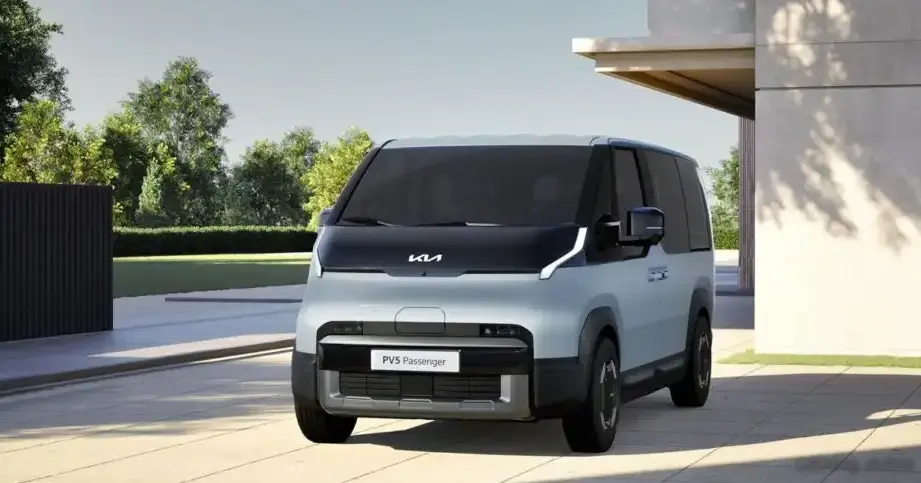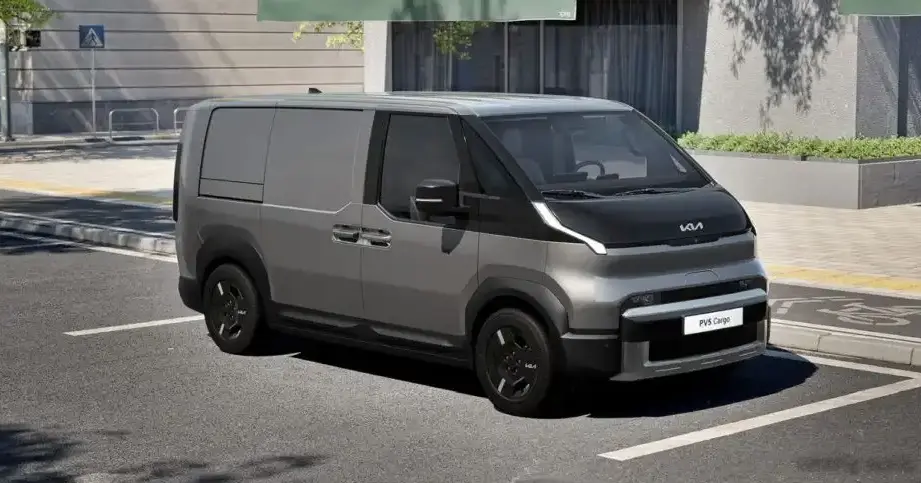
The Kia PV5 Cargo L2/H1 71.2 kWh (163 Hp) Long Range is an all-electric, compact commercial van introduced by Kia in May 2025. Positioned as a practical and efficient solution for businesses and tradespeople, the PV5 represents Kia’s entry into the burgeoning electric commercial vehicle segment. It’s built on a dedicated electric vehicle platform, offering a substantial cargo capacity and a targeted range suitable for urban and regional delivery applications. The L2/H1 designation refers to the vehicle’s body length and roof height, indicating a mid-size configuration within the PV5 lineup. This particular variant, equipped with the 71.2 kWh battery pack and a single electric motor producing 163 horsepower, is intended to balance range, payload, and affordability.
Technical Specifications
| Brand | Kia |
| Model | PV5 |
| Generation | PV5 Cargo L2/H1 |
| Type (Engine) | 71.2 kWh (163 Hp) Long Range |
| Start of production | May, 2025 |
| Powertrain Architecture | BEV (Electric Vehicle) |
| Body type | Minivan |
| Seats | 2 |
| Doors | 5 |
| Fuel Type | Electricity |
| Acceleration 0 – 100 km/h | 12.5 sec |
| Acceleration 0 – 62 mph | 12.5 sec |
| Acceleration 0 – 60 mph | 11.9 sec |
| Maximum speed | 135 km/h (83.89 mph) |
| Weight-to-power ratio | 12 kg/Hp, 83.2 Hp/tonne |
| Weight-to-torque ratio | 7.8 kg/Nm, 127.6 Nm/tonne |
| Gross battery capacity | 71.2 kWh |
| Battery voltage | 400 V |
| Battery technology | Lithium nickel manganese cobalt oxides (Li-NMC) |
| Battery location | Below the floor |
| All-electric range (WLTP) | 397.5 km (247 mi) |
| Electric motor power | 163 Hp |
| Electric motor Torque | 250 Nm (184.39 lb.-ft.) |
| Electric motor location | Front axle, Transverse |
| Electric motor type | Synchronous |
| System power | 163 Hp |
| System torque | 250 Nm (184.39 lb.-ft.) |
| Kerb Weight | 1960 kg (4321.06 lbs.) |
| Max. weight | 2650 kg (5842.25 lbs.) |
| Max load | 690 kg (1521.19 lbs.) |
| Trunk (boot) space – maximum | 4400 l (155.38 cu. ft.) |
| Max. roof load | 100 kg (220.46 lbs.) |
| Permitted trailer load with brakes (12%) | 750 kg (1653.47 lbs.) |
| Length | 4695 mm (184.84 in.) |
| Width | 1895 mm (74.61 in.) |
| Height | 1923 mm (75.71 in.) |
| Wheelbase | 2995 mm (117.91 in.) |
| Minimum turning circle | 10.8 m (35.43 ft.) |
| Drivetrain Architecture | One electric motor drives the front wheels. |
| Drive wheel | Front wheel drive |
| Number of gears and type of gearbox | 1 gears, automatic transmission |
| Front suspension | Double wishbone |
| Rear suspension | Torsion |
| Assisting systems | ABS (Anti-lock braking system) |
| Steering type | Steering rack and pinion |
| Power steering | Electric Steering |
| Tires size | 215/65 R16 |
| Wheel rims size | 16 |
Powertrain & Engine Architecture
The Kia PV5 Cargo L2/H1 utilizes a fully electric powertrain, centered around a permanent magnet synchronous motor (PMSM) driving the front wheels. This motor produces 163 horsepower and 250 Nm (184.39 lb.-ft.) of torque, providing adequate performance for commercial applications. The motor is powered by a 71.2 kWh lithium-nickel-manganese-cobalt oxide (Li-NMC) battery pack located under the vehicle floor, contributing to a low center of gravity and maximizing cargo space. The 400V architecture allows for relatively quick DC fast charging, though charging times vary depending on the charger’s output. The single-speed automatic transmission is a standard component of all-electric vehicles, providing seamless acceleration without the need for gear changes. The vehicle lacks a traditional multi-gear transmission as the electric motor delivers peak torque across a wide RPM range.
Driving Characteristics
The 163 hp electric motor provides sufficient power for typical urban and suburban delivery routes. Acceleration is brisk from a standstill due to the instant torque delivery characteristic of electric motors, but the 0-60 mph time of around 11.9 seconds reflects the van’s focus on efficiency and payload capacity rather than outright speed. The single-speed automatic transmission ensures smooth and linear acceleration. Compared to potential higher-powered variants of the PV5 (should they become available), this configuration prioritizes range and lower operating costs. The front-wheel-drive layout offers predictable handling, but may exhibit some torque steer under hard acceleration. The low center of gravity, thanks to the underfloor battery pack, contributes to stable cornering.
Equipment & Trim Levels
The PV5 Cargo L2/H1, being a commercial-focused vehicle, prioritizes functionality over luxury. Standard equipment typically includes air conditioning, a basic infotainment system with Bluetooth connectivity, and a suite of safety features such as ABS, electronic stability control, and multiple airbags. The interior is designed for durability and ease of cleaning, with hard-wearing plastics and vinyl upholstery. Optional extras may include a navigation system, a rearview camera, parking sensors, and advanced driver-assistance systems (ADAS) like lane-keeping assist and adaptive cruise control. The L2/H1 configuration offers a generous 4400 liters (155.38 cu. ft.) of cargo space, making it suitable for a wide range of commercial applications.
Chassis & Braking
The PV5 Cargo L2/H1 features a double wishbone front suspension and a torsion beam rear suspension. This setup is designed to balance ride comfort with load-carrying capability. The torsion beam rear suspension is a cost-effective solution for commercial vehicles, offering adequate stability without the complexity of a multi-link setup. The braking system consists of disc brakes on the front wheels and drum brakes on the rear wheels, a common configuration for this class of vehicle to manage costs. Electric power steering provides light and precise steering feel. The vehicle rides on 215/65 R16 tires mounted on 16-inch steel wheels.
Market Reception & Comparison
The Kia PV5 Cargo L2/H1 is expected to compete with other electric commercial vans such as the Ford E-Transit, the Mercedes-Benz eSprinter, and the Renault Kangoo E-Tech. Initial reviews suggest that the PV5 offers a competitive range and payload capacity at a potentially attractive price point. The 71.2 kWh battery pack provides a WLTP-rated range of 397.5 km (247 miles), which is sufficient for many urban delivery routes. Compared to gasoline-powered vans, the PV5 offers significantly lower running costs due to the lower price of electricity and reduced maintenance requirements. However, the initial purchase price is higher than comparable gasoline models.
Legacy
As a relatively new entrant to the electric commercial vehicle market, the long-term reliability of the Kia PV5 Cargo L2/H1 remains to be seen. However, Kia has a growing reputation for building reliable vehicles, and the dedicated electric vehicle platform should contribute to the longevity of the powertrain. The PV5 represents a significant step towards electrification in the commercial vehicle sector, and its success will depend on its ability to deliver on its promise of practicality, efficiency, and affordability. The Li-NMC battery technology is well-established, and with proper maintenance, the battery pack is expected to retain a significant portion of its capacity over its lifespan. The PV5’s impact on the used car market will likely be determined by the availability of charging infrastructure and the continued growth of the electric vehicle market.