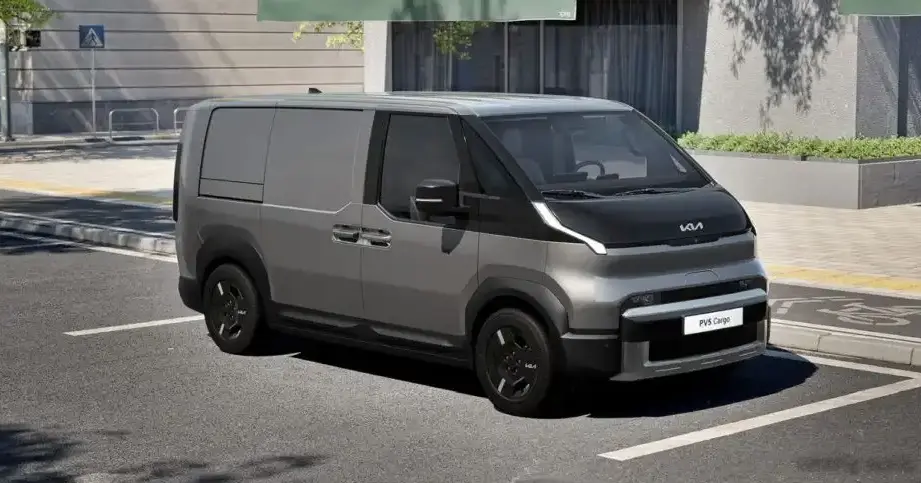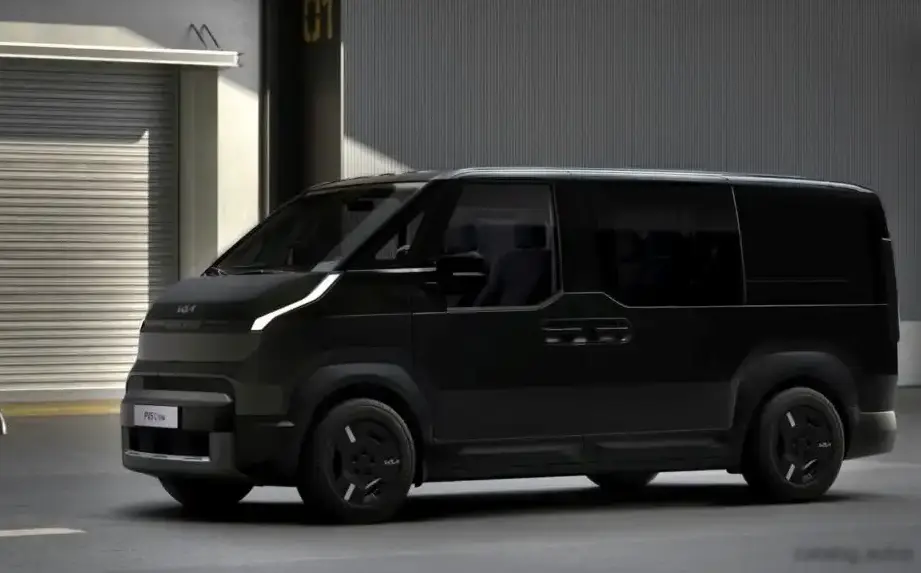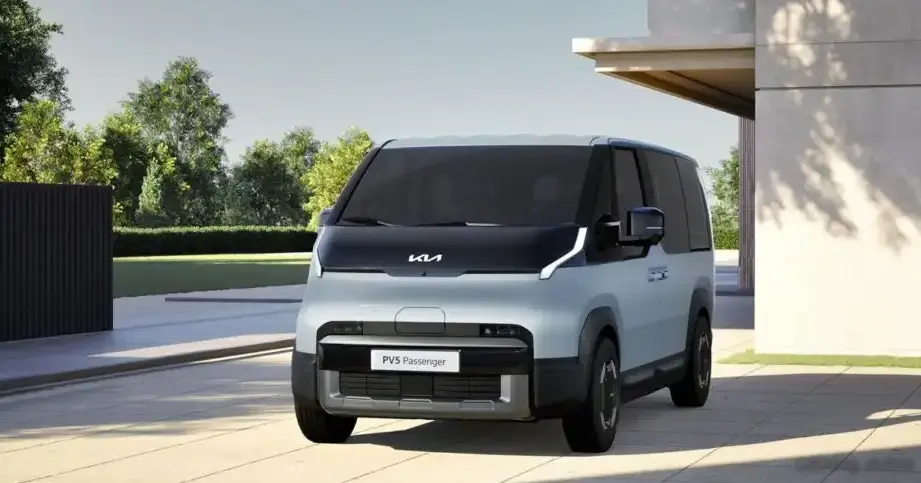
The Kia PV5 Passenger, specifically the 51.5 kWh (122 Hp) Standard Range variant, represents Kia’s entry into the increasingly competitive electric minivan segment. Production commenced in May 2025, positioning the PV5 as a key model in Kia’s strategy to expand its electric vehicle (EV) offerings. This particular trim is designed to offer a balance of practicality, affordability, and zero-emission driving, targeting families and individuals seeking a spacious and efficient transportation solution. The PV5 is built on a dedicated EV platform, allowing for optimized packaging and a focus on maximizing interior space.
Technical Specifications
| Brand | Kia |
| Model | PV5 |
| Generation | PV5 Passenger |
| Type (Engine) | 51.5 kWh (122 Hp) Standard Range |
| Start of production | May, 2025 |
| Powertrain Architecture | BEV (Electric Vehicle) |
| Body type | Minivan |
| Seats | 5-6 |
| Doors | 5 |
| Fuel Type | Electricity |
| Acceleration 0 – 100 km/h | 12.8 sec |
| Acceleration 0 – 62 mph | 12.8 sec |
| Acceleration 0 – 60 mph | 12.2 sec |
| Maximum speed | 135 km/h (83.89 mph) |
| Gross battery capacity | 51.5 kWh |
| Battery voltage | 400 V |
| Battery technology | Lithium nickel manganese cobalt oxides (Li-NMC) |
| Battery location | Below the floor |
| All-electric range (WLTP) | 288.1 km (179.02 mi) |
| Electric motor power | 122 Hp |
| Electric motor Torque | 250 Nm (184.39 lb.-ft.) |
| Electric motor location | Front axle, Transverse |
| Electric motor type | Synchronous |
| System power | 122 Hp |
| System torque | 250 Nm (184.39 lb.-ft.) |
| Max. weight | 2600 kg (5732.02 lbs.) |
| Trunk (boot) space – minimum | 1320 l (46.62 cu. ft.) |
| Trunk (boot) space – maximum | 2315 l (81.75 cu. ft.) |
| Permitted trailer load with brakes (12%) | 450 kg (992.08 lbs.) |
| Length | 4695 mm (184.84 in.) |
| Width | 1895 mm (74.61 in.) |
| Height | 1915 mm (75.39 in.) |
| Wheelbase | 2995 mm (117.91 in.) |
| Minimum turning circle | 10.8 m (35.43 ft.) |
| Drivetrain | Front wheel drive |
| Number of gears and type of gearbox | 1 gears, automatic transmission |
| Front suspension | Double wishbone |
| Rear suspension | Torsion |
| Assisting systems | ABS (Anti-lock braking system) |
| Steering type | Steering rack and pinion |
| Power steering | Electric Steering |
| Tires size | 215/65 R16 |
| Wheel rims size | 16 |
Powertrain & Engine Architecture
The Kia PV5 Passenger Standard Range utilizes a single electric motor driving the front wheels. This motor, a synchronous type, produces 122 horsepower and 250 Nm (184.39 lb.-ft.) of torque. The powertrain is centered around a 51.5 kWh lithium-nickel-manganese-cobalt oxide (Li-NMC) battery pack located under the vehicle floor, contributing to a low center of gravity and maximizing cabin space. The battery operates at 400V. The single-speed automatic transmission is inherent to electric vehicle design, providing seamless acceleration without traditional gear changes. The vehicle’s electronic control unit (ECU) manages power delivery, regenerative braking, and battery thermal management to optimize efficiency and range.
Driving Characteristics
The 122 hp powertrain delivers adequate performance for everyday driving scenarios. Acceleration from 0-60 mph takes approximately 12.2 seconds, and the top speed is limited to 135 km/h (83.89 mph). While not designed for sporty driving, the instant torque characteristic of electric motors provides responsive acceleration in urban environments. The single-speed transmission ensures smooth power delivery. Compared to potential higher-range or dual-motor variants of the PV5, this Standard Range model prioritizes efficiency and affordability over outright performance. The regenerative braking system allows for one-pedal driving in certain conditions, enhancing convenience and energy recovery.
Equipment & Trim Levels
The PV5 Passenger Standard Range trim typically includes standard features such as air conditioning, a touchscreen infotainment system compatible with Apple CarPlay and Android Auto, power windows and locks, and a suite of safety features including ABS, electronic stability control, and multiple airbags. Interior upholstery is generally cloth, with options for upgraded materials available. The dashboard layout is designed for simplicity and ease of use, with a focus on integrating the infotainment system and digital instrument cluster. Optional extras may include a larger touchscreen display, a panoramic sunroof, and advanced driver-assistance systems (ADAS) like adaptive cruise control and lane-keeping assist.
Chassis & Braking
The PV5 Passenger features a double wishbone front suspension and a torsion beam rear suspension. This configuration balances ride comfort with handling stability. The front-wheel-drive layout contributes to reduced weight and complexity. The braking system utilizes disc brakes on the front wheels and drum brakes on the rear, a cost-effective solution for this trim level. Electric power steering provides light and precise steering feel. The vehicle rides on 16-inch wheels with 215/65 R16 tires, offering a good compromise between comfort and rolling resistance.
Market Reception & Comparison
The Kia PV5 Passenger Standard Range is positioned as a value-oriented option within the electric minivan segment. Critics have generally praised its spacious interior, comfortable ride, and competitive pricing. However, the relatively modest range of 288.1 km (179.02 mi) and slower acceleration compared to some rivals have been noted. Compared to other trims in the PV5 lineup, the Standard Range model offers the lowest entry price but sacrifices some performance and range. It competes with other affordable electric vehicles like the Nissan Leaf and Hyundai Kona Electric, as well as gasoline-powered minivans in the same price bracket.
Legacy
The long-term reliability of the PV5’s powertrain remains to be seen, as it is a relatively new model. However, Kia has a growing reputation for building reliable electric vehicles, and the Li-NMC battery technology is well-established. The PV5 Standard Range is expected to hold its value reasonably well in the used car market, particularly as demand for electric vehicles continues to increase. Its practicality and affordability make it an attractive option for budget-conscious buyers seeking a spacious and efficient family vehicle. The PV5 represents a significant step forward for Kia in the electric vehicle space, and its success will likely influence the development of future EV models.