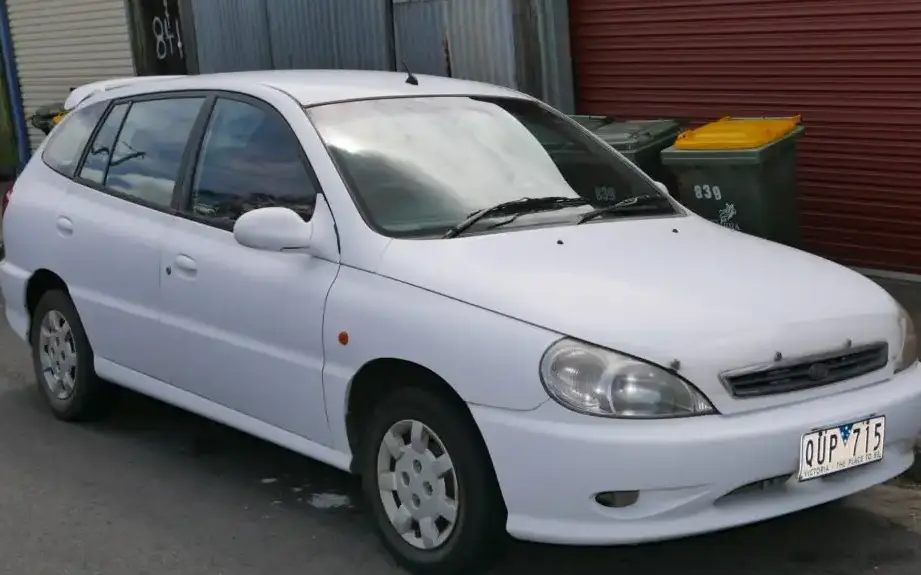
The Kia Rio UB, produced from 2011 to 2015, represented Kia’s third-generation offering in the subcompact hatchback segment. Within the UB series, the 1.1 CRDi 12V variant, generating 75 horsepower, served as an entry-level option, particularly popular in European markets where fuel efficiency and lower running costs were prioritized. This model aimed to provide affordable transportation with a focus on practicality, competing with vehicles like the Volkswagen Polo, Ford Fiesta, and Renault Clio. It was positioned below the 1.4 and 1.6 liter gasoline engine options in Kia’s lineup, offering a diesel alternative for buyers seeking improved fuel economy.
Technical Specifications
| Brand | Kia |
| Model | Rio |
| Generation | Rio III Hatchback (UB) |
| Type (Engine) | 1.1 CRDi 12V (75 Hp) |
| Start of production | June, 2011 |
| End of production | 2015 |
| Powertrain Architecture | Internal Combustion engine |
| Body type | Hatchback |
| Seats | 5 |
| Doors | 5 |
| Fuel Type | Diesel |
| Acceleration 0 – 100 km/h | 16.1 sec |
| Acceleration 0 – 62 mph | 16.1 sec |
| Acceleration 0 – 60 mph | 15.3 sec |
| Maximum speed | 160 km/h (99.42 mph) |
| Emission standard | Euro 5 |
| Weight-to-power ratio | 14.9 kg/Hp, 67.2 Hp/tonne |
| Weight-to-torque ratio | 6.6 kg/Nm, 152.3 Nm/tonne |
| Power | 75 Hp |
| Power per litre | 67 Hp/l |
| Torque | 170 Nm @ 1500 rpm (125.39 lb.-ft. @ 1500 rpm) |
| Engine layout | Front, Transverse |
| Engine Model/Code | D3FA |
| Engine displacement | 1120 cm3 (68.35 cu. in.) |
| Number of cylinders | 3 |
| Engine configuration | Inline |
| Number of valves per cylinder | 4 |
| Fuel injection system | Diesel Commonrail |
| Engine aspiration | Turbocharger, Intercooler |
| Valvetrain | DOHC |
| Engine oil capacity | 4.8 l (5.07 US qt | 4.22 UK qt) |
| Coolant | 6.4 l (6.76 US qt | 5.63 UK qt) |
| Kerb Weight | 1116 kg (2460.36 lbs.) |
| Max. weight | 1640 kg (3615.58 lbs.) |
| Max load | 524 kg (1155.22 lbs.) |
| Trunk (boot) space – minimum | 224 l (7.91 cu. ft.) |
| Fuel tank capacity | 43 l (11.36 US gal | 9.46 UK gal) |
| Length | 4045 mm (159.25 in.) |
| Width | 1720 mm (67.72 in.) |
| Height | 1455 mm (57.28 in.) |
| Wheelbase | 2570 mm (101.18 in.) |
| Front track | 1521 mm (59.88 in.) |
| Rear (Back) track | 1525 mm (60.04 in.) |
| Minimum turning circle | 10.5 m (34.45 ft.) |
| Drivetrain Architecture | Front wheel drive |
| Number of gears | 6 gears, manual transmission |
| Assisting systems | ABS (Anti-lock braking system) |
| Steering type | Steering rack and pinion |
| Tires size | 185/65 R15; 195/55 R16; 205/45 R17 |
| Wheel rims size | 15; 16; 17 |
Powertrain & Engine Architecture
The heart of the Rio 1.1 CRDi was the D3FA engine, a three-cylinder diesel powerplant. This engine utilized a common rail direct injection system, delivering fuel at extremely high pressure for optimized combustion. A small turbocharger with an intercooler was employed to boost power output and improve torque delivery, mitigating the inherent limitations of a small-displacement engine. The engine featured a double overhead camshaft (DOHC) valvetrain with four valves per cylinder, enhancing breathing and contributing to its relatively efficient operation. The 6-speed manual transmission was the only gearbox option available with this engine, geared for maximizing fuel economy rather than outright performance. The engine was designed to meet stringent Euro 5 emission standards, incorporating a diesel particulate filter (DPF) to reduce harmful emissions.
Driving Characteristics
The 1.1 CRDi engine, producing 75 horsepower and 170 Nm (125 lb-ft) of torque, provided adequate, though not exhilarating, performance. Acceleration from 0-60 mph took around 15.3 seconds, and top speed was limited to 99 mph. The engine’s strength lay in its low-end torque, making it reasonably drivable in urban environments and on winding roads. However, overtaking maneuvers required careful planning. Compared to the 1.4 and 1.6 liter gasoline versions, the 1.1 CRDi offered significantly less power but superior fuel economy. The manual transmission’s gear ratios were optimized for efficiency, with taller gearing in higher gears to reduce engine speed at cruising speeds. The engine could feel strained when pushed hard, and the three-cylinder configuration resulted in a noticeable amount of engine vibration.
Equipment & Trim Levels
The 1.1 CRDi Rio typically came with a base level of equipment, focusing on essential features. Standard amenities included air conditioning, power steering, central locking, and an audio system with USB connectivity. Safety features such as ABS and front airbags were also standard. Higher trim levels, such as the ‘2’ or ‘3’ trims, added features like alloy wheels, electric windows, heated mirrors, and a more sophisticated audio system. Interior upholstery was typically cloth, with a functional, if somewhat basic, dashboard layout. Optional extras included parking sensors and a sunroof.
Chassis & Braking
The Rio UB utilized a front-wheel-drive platform with a MacPherson strut front suspension and a torsion beam rear suspension. This setup provided a reasonable balance between ride comfort and handling. The front brakes were ventilated discs, while the rear brakes were typically drum brakes on the base models, with some higher trims receiving rear disc brakes. Stabilizer bars were fitted to both the front and rear axles to reduce body roll during cornering. The steering was a rack and pinion system, providing adequate feedback and precision.
Market Reception & Comparison
The Kia Rio 1.1 CRDi was generally well-received as an affordable and economical option in the subcompact segment. Critics praised its fuel efficiency and low running costs, but noted its lack of outright performance. Compared to competitors like the Ford Fiesta and Volkswagen Polo, the Rio offered a more competitive price point, but its interior quality and driving dynamics were often considered inferior. The 1.4 and 1.6 liter gasoline versions of the Rio offered more power and refinement, but at the expense of fuel economy. The 1.1 CRDi appealed to buyers who prioritized practicality and affordability over driving excitement.
Legacy
The D3FA engine, while not known for being particularly robust, proved to be reasonably reliable with regular maintenance. Common issues included DPF clogging (particularly with frequent short journeys) and potential problems with the turbocharger. Today, the Rio 1.1 CRDi can be found on the used car market at very affordable prices. Its fuel efficiency and low insurance costs continue to make it an attractive option for budget-conscious buyers. However, potential buyers should be aware of the potential maintenance costs associated with diesel engines, such as DPF replacement and injector servicing. The Rio UB 1.1 CRDi represents a significant step forward for Kia in terms of design, build quality, and overall value, helping to establish the brand as a serious contender in the European automotive market.