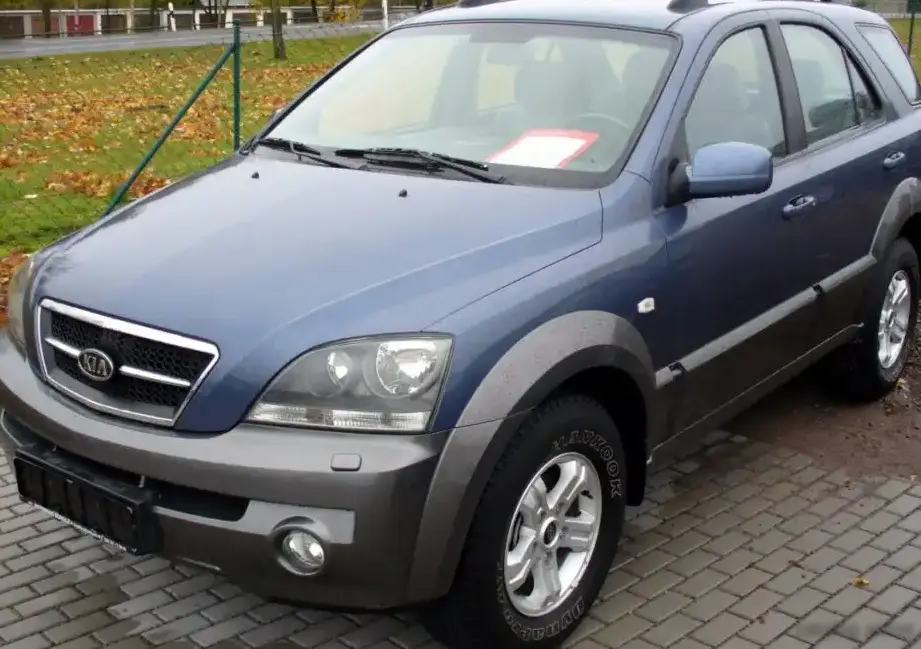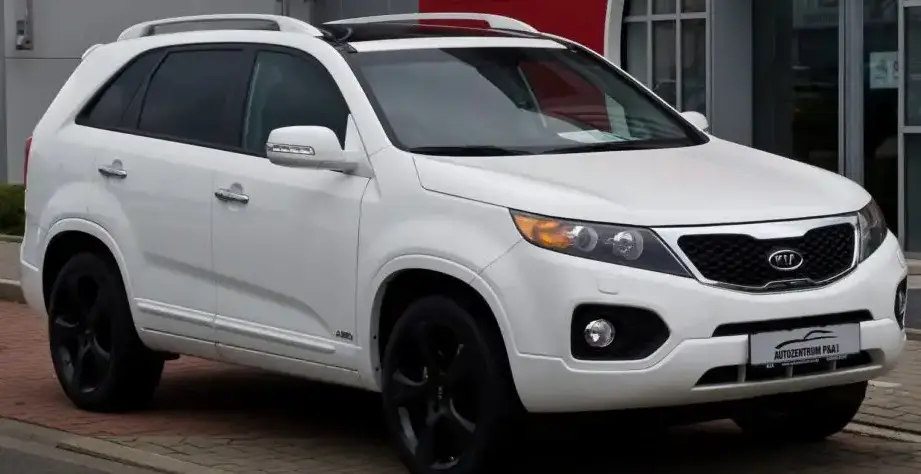
The Kia Sorento II, produced from 2009 to 2012, represented a significant step forward for the Korean automaker in the mid-size SUV segment. The 2.4 16V MPI (174 Hp) 4WD Automatic variant occupied a middle ground within the Sorento II lineup, offering a balance between affordability, fuel efficiency, and all-weather capability. Positioned between the base 2.0-liter engine and the more powerful 3.5-liter V6, this configuration aimed to appeal to families seeking a practical and reasonably equipped SUV. It was primarily sold in markets outside of North America, where the larger V6 engine was favored.
Technical Specifications
| Brand | Kia |
| Model | Sorento |
| Generation | Sorento II |
| Type (Engine) | 2.4 16V MPI (174 Hp) 4WD Automatic |
| Start of production | 2009 |
| End of production | 2012 |
| Powertrain Architecture | Internal Combustion engine |
| Body type | SUV |
| Seats | 5 |
| Doors | 5 |
| Fuel consumption (urban) | 11.4 l/100 km (20.6 US mpg) |
| Fuel consumption (extra urban) | 7.2 l/100 km (32.7 US mpg) |
| Fuel consumption (combined) | 8.8 l/100 km (26.7 US mpg) |
| Fuel Type | Petrol (Gasoline) |
| Acceleration 0 – 100 km/h | 11.6 sec |
| Acceleration 0 – 62 mph | 11.6 sec |
| Acceleration 0 – 60 mph | 11 sec |
| Maximum speed | 186 km/h (115.58 mph) |
| Emission standard | Euro 5 |
| Weight-to-power ratio | 10.2 kg/Hp |
| Power | 174 Hp |
| Power per litre | 73.8 Hp/l |
| Engine layout | Front, Transverse |
| Engine Model/Code | G4KE |
| Engine displacement | 2359 cm3 (143.96 cu. in.) |
| Number of cylinders | 4 |
| Engine configuration | Inline |
| Number of valves per cylinder | 4 |
| Fuel injection system | Multi-port manifold injection |
| Engine aspiration | Naturally aspirated engine |
| Valvetrain | DOHC |
| Engine oil capacity | 4.6 l (4.86 US qt | 4.05 UK qt) |
| Coolant capacity | 7.1 l (7.5 US qt | 6.25 UK qt) |
| Kerb Weight | 1780 kg (3924.23 lbs.) |
| Max. weight | 2510 kg (5533.6 lbs.) |
| Max load | 730 kg (1609.37 lbs.) |
| Trunk (boot) space – minimum | 258 l (9.11 cu. ft.) |
| Trunk (boot) space – maximum | 1047 l (36.97 cu. ft.) |
| Fuel tank capacity | 70 l (18.49 US gal | 15.4 UK gal) |
| Length | 4685 mm (184.45 in.) |
| Width | 1885 mm (74.21 in.) |
| Height | 1755 mm (69.09 in.) |
| Wheelbase | 2700 mm (106.3 in.) |
| Minimum turning circle | 10.88 m (35.7 ft.) |
| Drive wheel | All wheel drive (4×4) |
| Number of gears | 6 |
| Gearbox type | automatic transmission |
| Assisting systems | ABS (Anti-lock braking system) |
| Steering type | Steering rack and pinion |
| Tires size | 235/65 R17; 235/60 R18 |
| Wheel rims size | 17; 18 |
Powertrain & Engine Architecture
The heart of the Sorento II 2.4 was the G4KE engine, a 2.4-liter inline-four cylinder powerplant. This engine utilized a multi-point fuel injection (MPI) system, a relatively conventional approach for the time, prioritizing simplicity and cost-effectiveness over the more advanced direct injection systems. The engine featured a double overhead camshaft (DOHC) valvetrain with four valves per cylinder, contributing to its respectable power output. The 174 horsepower and 167 lb-ft of torque were adequate for everyday driving, but not particularly sporty. Paired with a six-speed automatic transmission, the powertrain aimed for smooth and comfortable shifts. The automatic transmission was chosen to appeal to a broader audience, particularly those prioritizing ease of use over driver engagement. The 4WD system was typically a part-time system, engaging the rear wheels when traction was needed, enhancing stability in inclement weather or on slippery surfaces.
Driving Characteristics
The 2.4-liter engine and six-speed automatic combination delivered a comfortable, if not exhilarating, driving experience. Acceleration from 0 to 60 mph took around 11 seconds, placing it behind the more powerful V6 models. The automatic transmission was tuned for fuel efficiency and smooth operation, sometimes at the expense of responsiveness. Gear ratios were optimized for cruising, making it a pleasant vehicle for highway driving. However, attempting quick overtaking maneuvers required careful planning. The all-wheel-drive system provided enhanced traction and stability, particularly noticeable on loose surfaces. Compared to the manual transmission versions (available in some markets), the automatic offered less driver control but greater convenience. The 2.4L engine was noticeably less stressed than the V6, potentially contributing to long-term reliability.
Equipment & Trim Levels
The 2.4 4WD Automatic Sorento II typically came with a reasonable level of standard equipment. This included air conditioning, power windows and locks, a basic audio system (often with CD player and auxiliary input), and ABS brakes. Higher trim levels added features such as alloy wheels, a sunroof, leather upholstery, and a more sophisticated audio system with navigation. Interior upholstery was generally cloth in the base trims, with leather options available on higher-spec models. Dashboard configuration was functional and straightforward, prioritizing usability over stylistic flair. Optional extras often included a rear parking sensor, heated seats, and a more advanced climate control system.
Chassis & Braking
The Sorento II utilized a conventional body-on-frame construction, providing a robust and durable platform. The suspension consisted of MacPherson struts at the front and a multi-link setup at the rear. The rear brakes on the 2.4L models were often drum brakes, while the V6 models typically received disc brakes all around. Stabilizer bars were fitted to both the front and rear axles to reduce body roll during cornering. The steering was rack-and-pinion, providing reasonably precise control. Tire sizes varied depending on the trim level, with 17-inch and 18-inch wheels being common.
Market Reception & Comparison
The Kia Sorento II 2.4 4WD Automatic was generally well-received as a practical and affordable family SUV. Critics praised its spacious interior, comfortable ride, and available all-wheel-drive system. However, the engine was often criticized for being underpowered, particularly when fully loaded or tackling steep hills. Fuel economy was considered average for its class. Compared to the 3.5-liter V6 version, the 2.4 offered better fuel efficiency and lower purchase price, but significantly less performance. Against competitors like the Honda CR-V and Toyota RAV4, the Sorento II offered a more aggressive price point and a longer warranty, but lacked the established reputation for reliability of the Japanese brands.
Legacy
The G4KE engine, while not known for being particularly groundbreaking, proved to be a relatively reliable unit when properly maintained. The six-speed automatic transmission also demonstrated good durability. In the used car market, the Sorento II 2.4 4WD Automatic represents a good value proposition for buyers seeking an affordable and capable SUV. Maintenance costs are generally reasonable, and parts availability is good. However, potential buyers should be aware of the engine’s modest power output and the possibility of rust, particularly in regions with harsh winters. The Sorento II helped establish Kia as a serious contender in the global SUV market, paving the way for the more refined and technologically advanced models that followed.