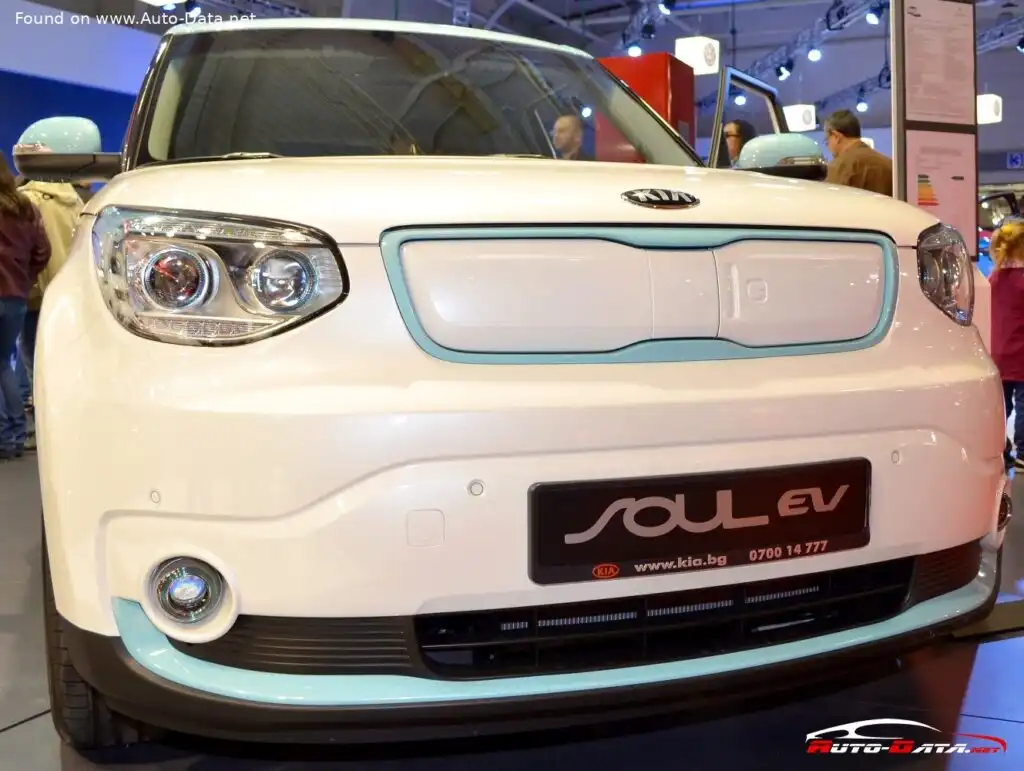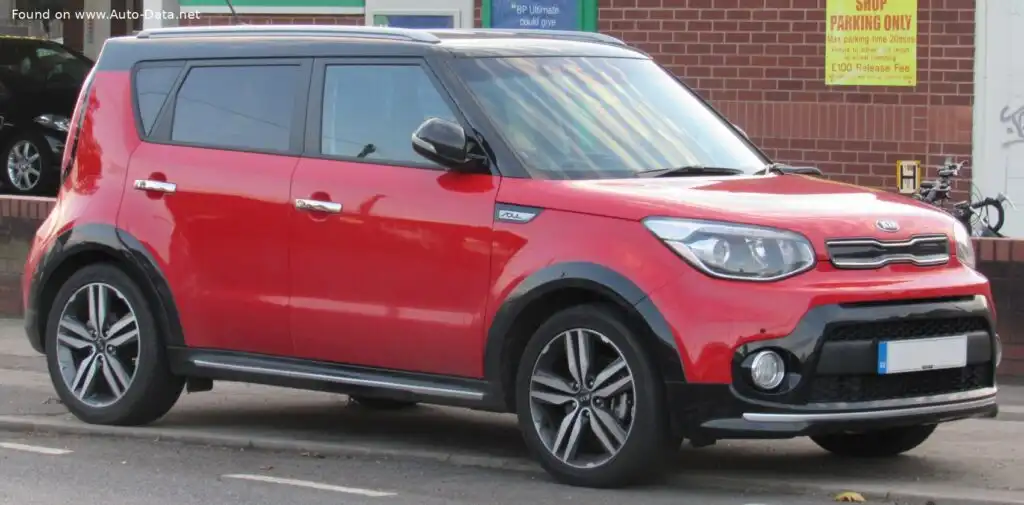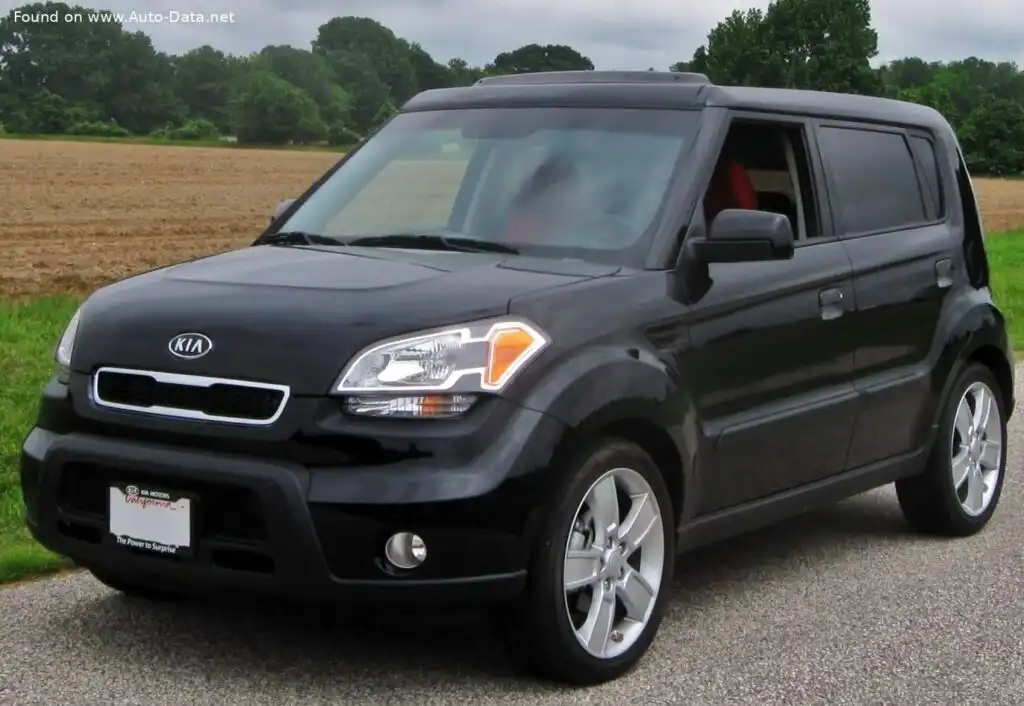
The Kia Soul first generation (internally designated the AM, and commonly referred to as the Soul I) was produced from 2009 to 2014. It represented Kia’s entry into the burgeoning subcompact crossover market, aiming to appeal to a younger demographic with its distinctive styling and practical features. The 1.6 CRDi Automatic variant, introduced during this period, offered a diesel-powered option with the convenience of an automatic transmission. This trim level occupied a mid-range position within the Soul lineup, balancing fuel efficiency with ease of driving, and was primarily sold in European and Asian markets, though limited numbers were available in the US as grey imports.
Technical Specifications
| Brand | Kia |
| Model | Soul |
| Generation | Soul I |
| Type (Engine) | 1.6 CRDi (126 Hp) Automatic |
| Start of production | 2009 |
| End of production | 2014 |
| Powertrain Architecture | Internal Combustion engine |
| Body type | Crossover |
| Seats | 5 |
| Doors | 5 |
| Fuel consumption (urban) | 7.5 l/100 km (31.4 US mpg) |
| Fuel consumption (extra urban) | 5.2 l/100 km (45.2 US mpg) |
| Fuel consumption (combined) | 5.9 l/100 km (39.9 US mpg) |
| Fuel Type | Diesel |
| Acceleration 0 – 100 km/h | 11.9 sec |
| Acceleration 0 – 62 mph | 11.9 sec |
| Acceleration 0 – 60 mph | 11.3 sec |
| Maximum speed | 176 km/h (109.36 mph) |
| Emission standard | Euro 4 |
| Weight-to-power ratio | 10.1 kg/Hp |
| Weight-to-torque ratio | 5 kg/Nm |
| Power | 126 Hp @ 4000 rpm |
| Torque | 255 Nm @ 2000 rpm (188.08 lb.-ft. @ 2000 rpm) |
| Engine layout | Front, Transverse |
| Engine Model/Code | D4FB |
| Engine displacement | 1591 cm3 (97.09 cu. in.) |
| Number of cylinders | 4 |
| Engine configuration | Inline |
| Number of valves per cylinder | 4 |
| Fuel injection system | Diesel Commonrail |
| Engine aspiration | Turbocharger, Intercooler |
| Engine oil capacity | 5.3 l (5.6 US qt | 4.66 UK qt) |
| Coolant capacity | 7.2 l (7.61 US qt | 6.34 UK qt) |
| Kerb Weight | 1270 kg (2799.87 lbs.) |
| Max. weight | 1680 kg (3703.77 lbs.) |
| Max load | 410 kg (903.9 lbs.) |
| Trunk (boot) space – minimum | 370 l (13.07 cu. ft.) |
| Trunk (boot) space – maximum | 570 l (20.13 cu. ft.) |
| Fuel tank capacity | 48 l (12.68 US gal | 10.56 UK gal) |
| Length | 4105 mm (161.61 in.) |
| Width | 1785 mm (70.28 in.) |
| Height | 1661 mm (65.39 in.) |
| Wheelbase | 2550 mm (100.39 in.) |
| Front track | 1570 mm (61.81 in.) |
| Rear track | 1575 mm (62.01 in.) |
| Minimum turning circle | 10.5 m (34.45 ft.) |
| Drivetrain | Front wheel drive |
| Number of gears | 4 |
| Gearbox type | Automatic transmission |
| Front suspension | Independent, McPherson with coil spring and anti-roll bar |
| Rear suspension | Trailing arm |
| Front brakes | Ventilated discs |
| Rear brakes | Disc |
| Assisting systems | ABS (Anti-lock braking system) |
| Steering type | Steering rack and pinion |
| Power steering | Electric |
| Tires size | 195/65R15 |
Powertrain & Engine Architecture
The heart of the Soul 1.6 CRDi Automatic is the D4FB engine, a 1.6-liter inline-four cylinder diesel engine. This engine utilizes a second-generation common rail direct injection system, delivering fuel at extremely high pressures for improved combustion efficiency and reduced emissions. A turbocharger with an intercooler is employed to boost power output, overcoming the inherent limitations of a relatively small displacement diesel. The engine produces 126 horsepower at 4,000 rpm and 255 Nm (188 lb-ft) of torque at 2,000 rpm. The automatic transmission is a conventional four-speed unit, chosen for its simplicity and cost-effectiveness. While not offering the refinement of more modern transmissions, it provided a convenient driving experience for many buyers. The engine’s layout is front transverse, driving the front wheels.
Driving Characteristics
The 1.6 CRDi Automatic Soul offered a comfortable, if not particularly sporty, driving experience. The automatic transmission, while smooth in normal driving conditions, could feel somewhat sluggish during quick acceleration or overtaking maneuvers. The four-speed configuration meant wider gear ratios compared to manual or six-speed automatic options, impacting responsiveness. The engine’s torque peak at 2,000 rpm provided adequate pulling power for everyday driving, but the engine could become noisy and strained when pushed hard. Compared to the more powerful gasoline engines available in the Soul lineup, the 1.6 CRDi Automatic prioritized fuel economy over outright performance. The manual transmission versions of the 1.6 CRDi offered a more engaging driving experience and slightly improved fuel efficiency.
Equipment & Trim Levels
The 1.6 CRDi Automatic trim typically included standard features such as air conditioning, power windows, central locking, and a basic audio system with CD player and MP3 compatibility. Safety features included ABS brakes, dual front airbags, and seatbelt pretensioners. Higher trim levels offered options like alloy wheels, a panoramic sunroof, upgraded audio systems, and parking sensors. Interior upholstery was typically cloth, with a relatively simple and functional dashboard layout. The Soul’s interior design was a key selling point, offering a youthful and customizable aesthetic.
Chassis & Braking
The Soul I utilized a front-wheel-drive platform with an independent McPherson strut suspension in the front and a trailing arm suspension in the rear. The front suspension incorporated a stabilizer bar to reduce body roll during cornering. Braking duties were handled by ventilated discs at the front and solid discs at the rear. The suspension setup was tuned for comfort rather than sporty handling, providing a relatively smooth ride over uneven road surfaces. The steering was electrically assisted, offering light and easy maneuverability.
Market Reception & Comparison
The Kia Soul 1.6 CRDi Automatic was generally well-received by automotive critics as a practical and fuel-efficient urban crossover. Its distinctive styling and spacious interior were often praised. However, the automatic transmission was sometimes criticized for its lack of responsiveness. Compared to other subcompact crossovers of the time, the Soul offered a compelling value proposition, with a generous level of standard equipment and a competitive price point. The 1.6 CRDi engine provided significantly better fuel economy than the gasoline engines, making it an attractive option for drivers who prioritized efficiency. Reliability was generally good, although some owners reported minor issues with the diesel particulate filter (DPF) system.
Legacy
The Kia Soul I 1.6 CRDi Automatic has proven to be a relatively reliable vehicle in the used car market. The D4FB engine, while not without its quirks, is generally durable and capable of high mileage with proper maintenance. The four-speed automatic transmission is known for its simplicity and robustness. However, potential buyers should be aware of the potential for DPF issues, particularly if the vehicle has been primarily used for short trips. Today, the Soul I represents an affordable and practical entry point into the subcompact crossover segment, offering a unique blend of style, efficiency, and functionality.