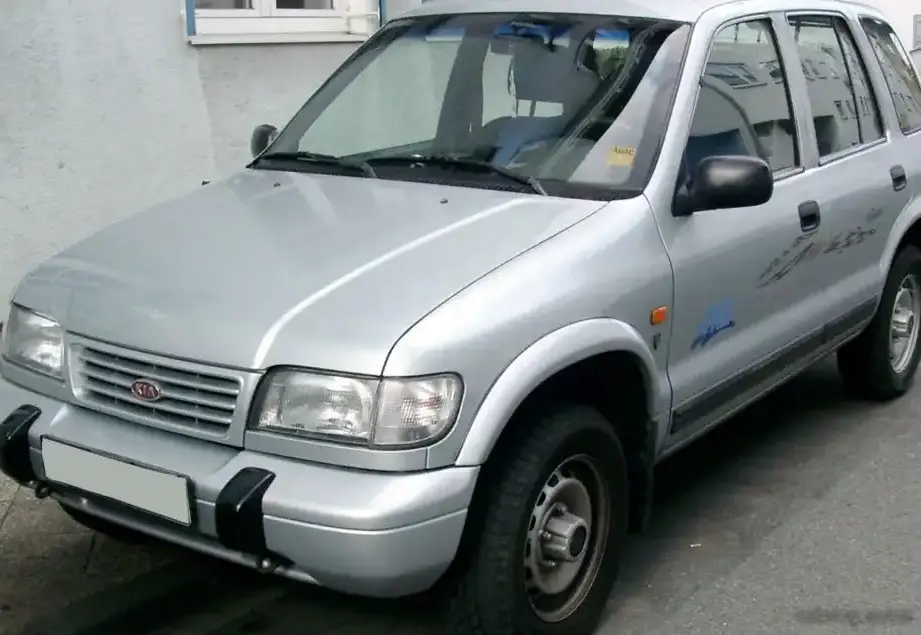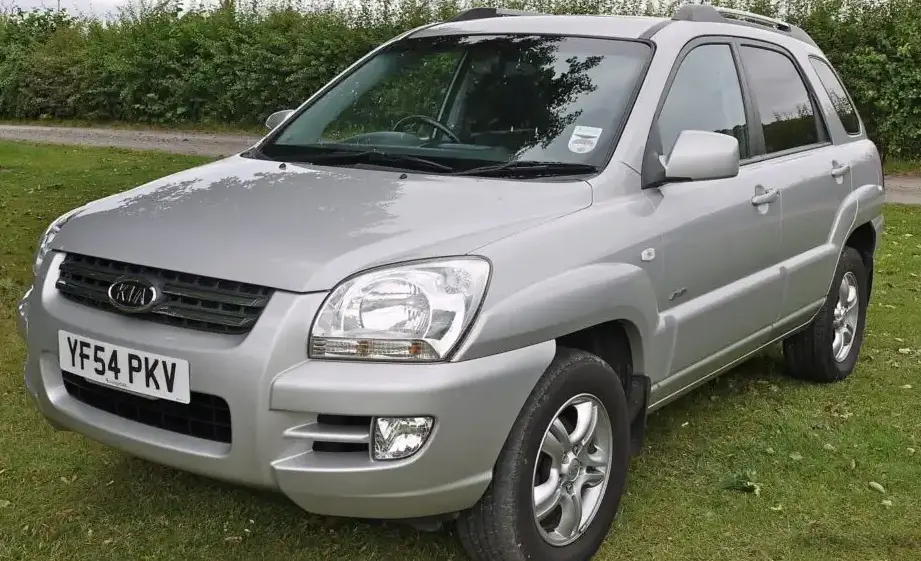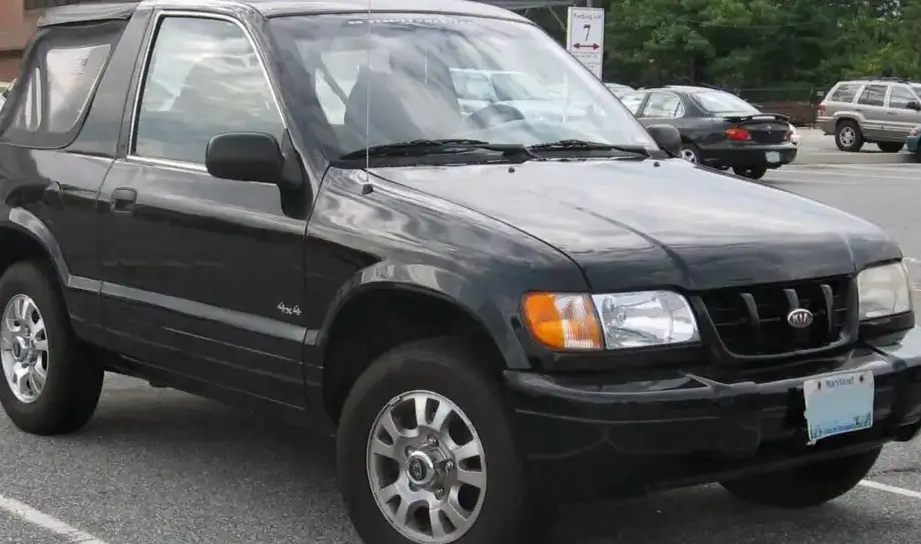
The Kia Sportage Soft Top I 2.0 i (95 hp) was a unique offering from the South Korean automaker, produced from 1997 to 2006. This variant, distinguished by its convertible soft-top roof, represented a niche within the first generation (JQ) Sportage lineup. Positioned as an entry-level option, it aimed to provide affordable all-wheel drive capability and open-air motoring, primarily targeting the European and Asian markets. While the standard Sportage was already a relatively affordable SUV, the Soft Top added a distinctive style element, though at the cost of some practicality. It was built on the Sportage platform, sharing its core mechanical components with the hardtop models.
Technical Specifications
| Brand | Kia |
| Model | Sportage |
| Generation | Sportage Soft Top I |
| Type (Engine) | 2.0 i (95 Hp) |
| Start of production | 1997 |
| End of production | 2006 |
| Powertrain Architecture | Internal Combustion engine |
| Body type | SUV |
| Seats | 5 |
| Doors | 3 |
| Fuel consumption (urban) | 15.8 l/100 km (14.9 US mpg, 17.9 UK mpg, 6.3 km/l) |
| Fuel consumption (extra urban) | 9.5 l/100 km (24.8 US mpg, 29.7 UK mpg, 10.5 km/l) |
| Fuel Type | Petrol (Gasoline) |
| Acceleration 0 – 100 km/h | 18.4 sec |
| Acceleration 0 – 62 mph | 18.4 sec |
| Acceleration 0 – 60 mph | 17.5 sec |
| Maximum speed | 160 km/h (99.42 mph) |
| Weight-to-power ratio | 14.2 kg/Hp (70.4 Hp/tonne) |
| Weight-to-torque ratio | 8.6 kg/Nm (116.3 Nm/tonne) |
| Power | 95 Hp @ 5000 rpm |
| Power per litre | 47.5 Hp/l |
| Torque | 157 Nm @ 2500 rpm (115.8 lb.-ft. @ 2500 rpm) |
| Engine layout | Front, Longitudinal |
| Engine Model/Code | FE |
| Engine displacement | 1998 cm3 (121.93 cu. in.) |
| Number of cylinders | 4 |
| Engine configuration | Inline |
| Cylinder Bore | 86 mm (3.39 in.) |
| Piston Stroke | 86 mm (3.39 in.) |
| Compression ratio | 8.6:1 |
| Number of valves per cylinder | 2 |
| Fuel injection system | Multi-port manifold injection |
| Engine aspiration | Naturally aspirated engine |
| Engine oil capacity | 4.3 l (4.54 US qt | 3.78 UK qt) |
| Coolant | 7.5 l (7.93 US qt | 6.6 UK qt) |
| Kerb Weight | 1350 kg (2976.24 lbs.) |
| Max. weight | 1900 kg (4188.78 lbs.) |
| Max load | 550 kg (1212.54 lbs.) |
| Trunk (boot) space – minimum | 250 l (8.83 cu. ft.) |
| Trunk (boot) space – maximum | 1117 l (39.45 cu. ft.) |
| Fuel tank capacity | 60 l (15.85 US gal | 13.2 UK gal) |
| Length | 4025 mm (158.46 in.) |
| Width | 1764 mm (69.45 in.) |
| Height | 1650 mm (64.96 in.) |
| Wheelbase | 2360 mm (92.91 in.) |
| Front track | 1440 mm (56.69 in.) |
| Rear (Back) track | 1440 mm (56.69 in.) |
| Drive wheel | All wheel drive (4×4) |
| Number of gears and type of gearbox | 5 gears, manual transmission |
| Front suspension | Double wishbone |
| Rear suspension | Spring Strut |
| Front brakes | Ventilated discs |
| Rear brakes | Drum |
| Power steering | Hydraulic Steering |
| Tires size | 205/70 R15 |
Powertrain & Engine Architecture
The 2.0-liter inline-four engine, designated the FE, was the heart of this Sportage variant. This engine, common in several Hyundai and Kia models of the era, featured a cast iron block and an aluminum cylinder head. It utilized a multi-port fuel injection system, providing adequate, though not exceptional, fuel delivery. The engine produced 95 horsepower at 5000 rpm and 157 Nm (115.8 lb-ft) of torque at 2500 rpm. The 5-speed manual transmission was the only gearbox option available with this engine, prioritizing affordability over performance. The engine’s longitudinal mounting allowed for a traditional rear-wheel-drive based all-wheel-drive system.
Driving Characteristics
The 95 hp engine and manual transmission combination resulted in leisurely acceleration. The 0-60 mph time of around 17.5 seconds reflects this. The Sportage Soft Top I wasn’t designed for speed, but rather for providing a capable and affordable all-wheel-drive vehicle. The manual gearbox offered a degree of control, but the limited power meant frequent downshifts were necessary, especially when tackling inclines or overtaking. The all-wheel-drive system provided enhanced traction on slippery surfaces, making it suitable for light off-road use. The soft top, while adding a unique aesthetic, did contribute to some chassis flex compared to the hardtop models.
Equipment & Trim Levels
The 2.0 i Soft Top was generally considered the base trim level. Standard features typically included power steering, manual windows and locks, and basic cloth upholstery. Air conditioning was often an optional extra. The interior was functional and utilitarian, prioritizing durability over luxury. The soft top itself was manually operated, requiring physical effort to raise and lower. Safety features were limited by the standards of the time, typically including only a driver’s airbag and seatbelts.
Chassis & Braking
The Sportage Soft Top I utilized a body-on-frame construction, providing robustness but also contributing to a higher curb weight of 1350 kg (2976.24 lbs). The front suspension featured a double wishbone setup, while the rear employed a simpler spring strut arrangement. Braking duties were handled by ventilated discs at the front and drum brakes at the rear. Hydraulic power steering was standard, providing reasonable assistance at low speeds. The tires were typically 205/70 R15, offering a balance between on-road comfort and off-road capability.
Market Reception & Comparison
The Sportage Soft Top I was generally well-received as a unique and affordable option in the compact SUV segment. Critics praised its all-wheel-drive capability and distinctive styling, but noted its lackluster performance and basic interior. Compared to the higher-powered 2.0L or the diesel variants, the 95 hp model was significantly slower and less refined. However, it offered a lower price point and potentially better fuel economy (though still relatively high at 15.8 l/100km urban) making it attractive to budget-conscious buyers. The soft top version was often seen as a lifestyle choice, appealing to those who valued open-air driving over outright performance.
Legacy
The Kia Sportage Soft Top I, particularly the 2.0 i (95 hp) variant, has become a relatively rare sight on the roads today. While the FE engine is generally considered reliable, age and mileage can lead to common issues such as oil leaks and worn engine mounts. The soft top mechanism itself can be prone to wear and tear, requiring maintenance or replacement. In the used car market, these models are often sought after by enthusiasts and collectors who appreciate their unique character. Parts availability can be a challenge, but many components are shared with other Hyundai and Kia models of the same era. The Sportage Soft Top I represents a bold and unconventional offering from Kia, showcasing their willingness to experiment with different body styles and target niche markets.