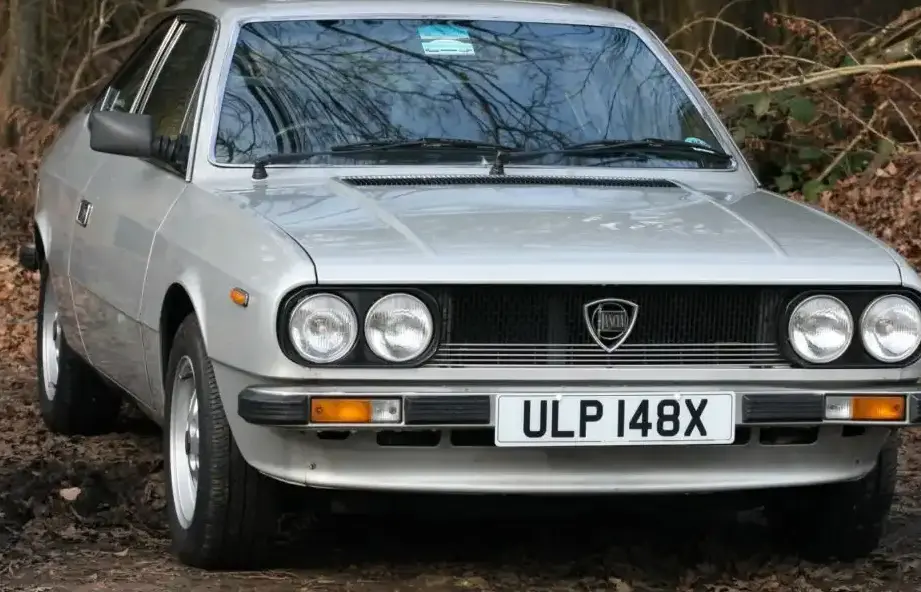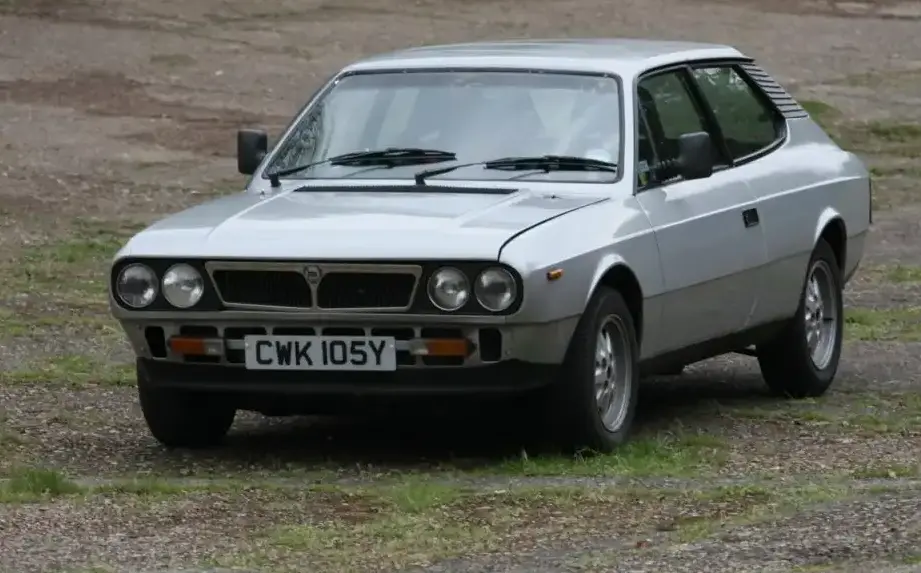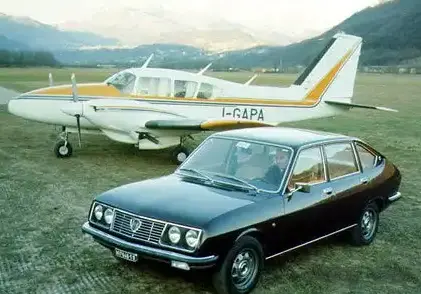
The Lancia Beta 2000 i.e. (Type 828) represents a significant evolution within the Beta family, produced between 1980 and 1984. Positioned as the top-of-the-line Beta sedan, it offered a substantial performance upgrade over the earlier 1.3 and 1.6-liter models. The 2000 i.e. aimed to provide a more refined and powerful driving experience, appealing to buyers seeking a sporty yet comfortable Italian sedan. It was a key part of Lancia’s attempt to modernize and remain competitive in the increasingly crowded European market. The “i.e.” designation signified fuel injection, a relatively advanced feature for the time, and a move away from the carburetor setups found in earlier Betas.
Technical Specifications
| Brand | Lancia |
| Model | Beta |
| Generation | Beta (828) |
| Type (Engine) | 2000 i.e. (122 Hp) |
| Start of Production | 1980 |
| End of Production | 1984 |
| Powertrain Architecture | Internal Combustion Engine |
| Body Type | Sedan |
| Fuel Type | Petrol (Gasoline) |
| Power | 122 Hp |
| Engine Model/Code | 828 B4.000 |
| Engine Aspiration | Naturally Aspirated |
| Engine Oil Capacity | 4.2 l (4.44 US qt | 3.7 UK qt) |
| Coolant Capacity | 7.5 l (7.93 US qt | 6.6 UK qt) |
Powertrain & Engine Architecture
The heart of the Lancia Beta 2000 i.e. is the 828 B4.000 engine, a 1995cc inline-four cylinder powerplant. This engine represents a significant departure from the earlier Beta engines, featuring Bosch mechanical fuel injection – hence the “i.e.” designation. The fuel injection system, while not as sophisticated as later electronic systems, provided improved fuel efficiency and throttle response compared to carbureted engines. The engine utilizes a cast iron block and an aluminum cylinder head, a common configuration for the era. It features a dual overhead camshaft (DOHC) design with two valves per cylinder, contributing to its relatively high power output for its displacement. The compression ratio is 9.2:1. The engine’s lubrication system is a conventional wet sump design. The Beta 2000 i.e. was exclusively offered with a five-speed manual transmission, providing drivers with full control over the engine’s power band. The transmission was known for its smooth shifting action, although some units could develop wear in the synchromesh over time.
Driving Characteristics
The 2000 i.e. offered a noticeably more spirited driving experience than the lower-displacement Beta models. With 122 horsepower and approximately 137 lb-ft of torque, the 2000 i.e. could achieve a top speed of around 109 mph and accelerate from 0 to 60 mph in approximately 9.5 seconds. While these figures may seem modest by modern standards, they were competitive for a family sedan in the early 1980s. The five-speed manual transmission allowed drivers to keep the engine in its optimal power range, providing good acceleration in most driving situations. The gear ratios were well-chosen, offering a balance between performance and fuel economy. Compared to the 1.3 or 1.6-liter Beta sedans, the 2000 i.e. felt significantly more responsive and capable, particularly when overtaking or climbing hills. The engine’s power delivery was relatively linear, making it easy to control. However, the Beta’s front-wheel-drive layout could sometimes lead to torque steer under hard acceleration.
Equipment & Trim Levels
The 2000 i.e. was the best-equipped version of the Beta sedan. Standard features included power-assisted steering, front disc brakes, and a comfortable interior with cloth upholstery. The dashboard featured a comprehensive instrument cluster with gauges for speed, tachometer, fuel level, coolant temperature, and oil pressure. The seats were supportive and offered good comfort for long journeys. Optional extras included a sunroof, upgraded stereo system, and metallic paint finishes. The interior trim was generally well-appointed, although the materials used were not as luxurious as those found in some of its German or British competitors. The Beta 2000 i.e. aimed for a balance between practicality and comfort, offering a well-equipped interior without being overly ostentatious.
Chassis & Braking
The Lancia Beta 828 series utilized a monocoque construction for its body, providing a good level of rigidity. The front suspension featured independent coil springs and MacPherson struts, while the rear suspension employed a torsion beam setup. This suspension configuration provided a comfortable ride, although it wasn’t as sporty as some of its rivals. The braking system consisted of disc brakes on the front wheels and drum brakes on the rear wheels. The brakes were generally effective, although they could fade under heavy use. The steering was rack-and-pinion, providing precise and responsive handling. The Beta 2000 i.e. featured a stabilizer bar on both the front and rear axles, helping to reduce body roll during cornering. The tires were typically 185/60R14, providing a good balance between grip and ride comfort.
Market Reception & Comparison
The Lancia Beta 2000 i.e. was generally well-received by automotive critics. It was praised for its refined engine, comfortable ride, and well-equipped interior. However, some critics noted that the Beta’s styling was somewhat dated compared to its competitors. Compared to other sedans in its class, such as the Alfa Romeo Giulietta and the Volkswagen Passat, the Beta 2000 i.e. offered a unique blend of Italian flair and practicality. Fuel economy was reasonable for the time, averaging around 25-30 mpg. Reliability was a mixed bag; while the engine itself was generally robust, the Beta was known for some electrical issues and susceptibility to rust, particularly in colder climates. The 2000 i.e. was more expensive than the lower-displacement Beta models, but it offered a significant performance upgrade that justified the price premium for many buyers.
Legacy
The Lancia Beta 2000 i.e. remains a popular classic car among enthusiasts. The 828 B4.000 engine is known for its durability and relatively simple maintenance requirements. However, finding parts can be challenging, as Lancia has not produced these vehicles for decades. Rust remains a significant concern for surviving examples. The Beta 2000 i.e. is appreciated for its unique character and Italian styling. It represents a high point in Lancia’s history, showcasing the company’s engineering prowess and commitment to innovation. In the used car market today, well-maintained examples of the Beta 2000 i.e. can command a premium price, reflecting their rarity and desirability among collectors. The car’s enduring appeal lies in its ability to offer a classic Italian driving experience, combining performance, comfort, and style.