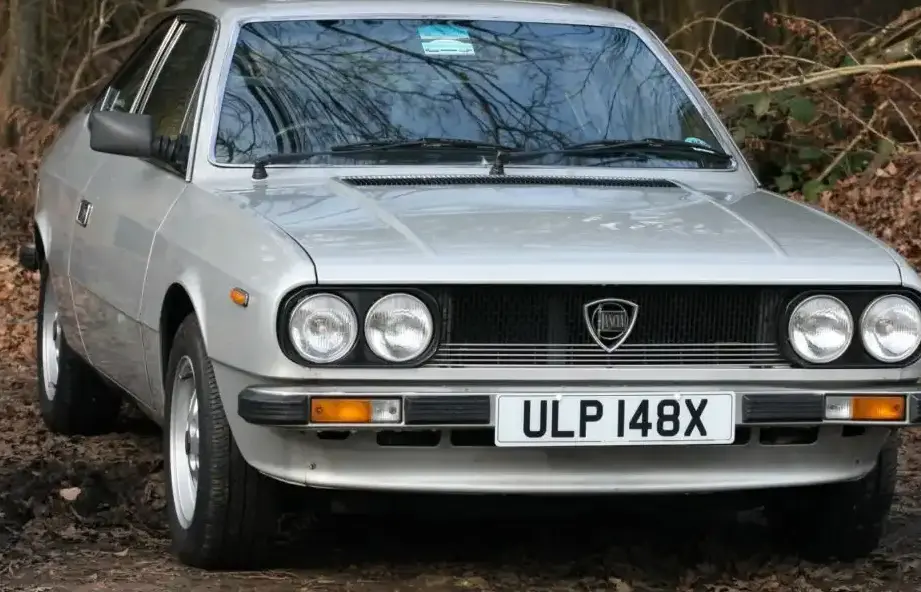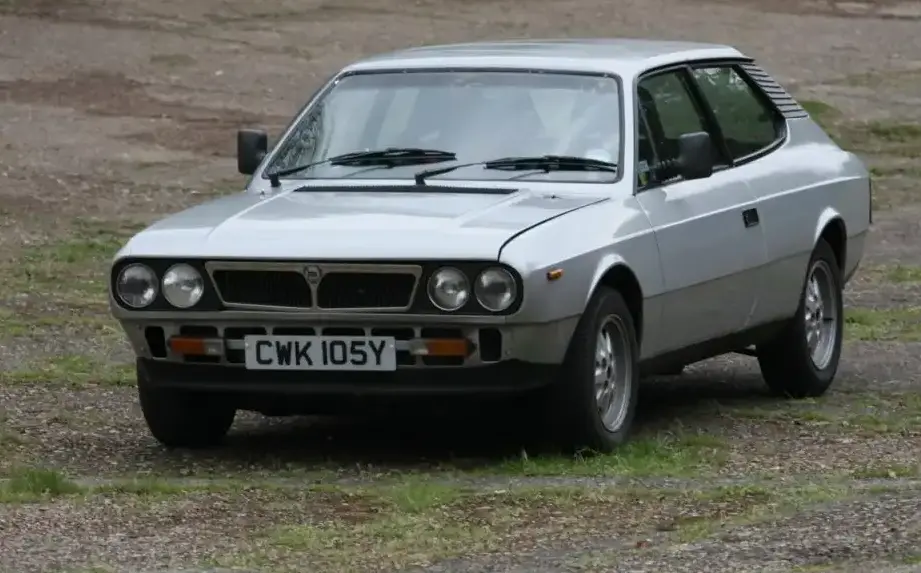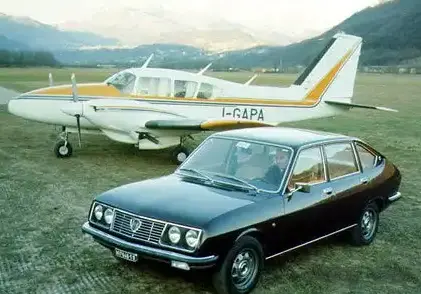
The Lancia Beta 2000 Volumex (828.DB/3), produced between 1983 and 1985, represents a unique and relatively short-lived iteration of the Beta sedan. It was positioned as the performance-oriented variant within the 828 series, utilizing a supercharged 2.0-liter engine to deliver a noticeable increase in power compared to the naturally aspirated models. This model aimed to inject new life into the Beta range, offering a more engaging driving experience while retaining the Beta’s core characteristics of comfort and practicality. The 2000 Volumex was a response to criticisms of the earlier Beta models lacking outright performance, and it represented Lancia’s attempt to appeal to drivers seeking a blend of Italian style and spirited driving.
Technical Specifications
| Brand | Lancia |
| Model | Beta |
| Generation | Beta (828) |
| Type (Engine) | 2000 Volumex (828.DB/3) (135 Hp) |
| Start of Production | 1983 |
| End of Production | 1985 |
| Powertrain Architecture | Internal Combustion Engine |
| Body Type | Sedan |
| Fuel Type | Petrol (Gasoline) |
| Power | 135 Hp |
| Engine Model/Code | 828 B7.000 |
| Engine Aspiration | Naturally Aspirated with Supercharger |
| Engine Oil Capacity | 4.5 l (4.76 US qt | 3.96 UK qt) |
| Coolant Capacity | 7.5 l (7.93 US qt | 6.6 UK qt) |
Powertrain & Engine Architecture
The heart of the 2000 Volumex is the 828 B7.000 engine, a 1995cc inline-four cylinder. What sets this engine apart is the addition of a Roots-type supercharger, manufactured by Volumex (hence the model name). This supercharger, belt-driven from the crankshaft, provides a significant boost in power and torque. The engine features a single overhead camshaft (SOHC) valvetrain operating two valves per cylinder. Fuel delivery is managed by Bosch mechanical fuel injection, a system common for the era, providing a balance between performance and reliability. The supercharger operates at a relatively low boost pressure, carefully calibrated to avoid stressing the engine internals. The engine’s compression ratio is 8.8:1. The engine’s design prioritized drivability and a broad torque curve over peak horsepower figures. The supercharger is engaged at lower RPMs, providing instant throttle response and eliminating much of the turbo lag associated with turbocharged engines.
Driving Characteristics
The 2000 Volumex offered a distinctly different driving experience compared to the standard Beta sedans. The supercharger delivers a noticeable surge of power, improving acceleration and making overtaking maneuvers considerably easier. While not a sports car in the modern sense, the Volumex provided a level of performance that was uncommon in family sedans of the early 1980s. The four-speed manual transmission (the most common configuration) was well-matched to the engine’s characteristics, allowing drivers to exploit the available torque. The automatic transmission, while offering convenience, did diminish the overall performance feel, as it wasn’t as responsive as the manual. The suspension, while retaining the Beta’s independent front suspension and live axle rear, was tuned to handle the increased power, offering a reasonably comfortable ride without excessive body roll. The steering, though not power-assisted in all models, was precise and provided good feedback.
Equipment & Trim Levels
The 2000 Volumex was generally well-equipped for its time, though it wasn’t positioned as a luxury vehicle. Standard features typically included cloth upholstery, a basic instrument cluster, and power-assisted brakes. The interior design was typical of Italian cars of the period – functional and stylish, but not overly opulent. Optional extras included a sunroof, upgraded stereo systems, and metallic paint finishes. The dashboard layout was relatively straightforward, with clearly marked gauges for speed, RPM, coolant temperature, and fuel level. The seats offered reasonable comfort for long journeys. The trim level was generally consistent across the Volumex models, with minor variations depending on the market.
Chassis & Braking
The Beta 828 chassis utilized independent front suspension with MacPherson struts and a live axle rear suspension with trailing arms. The front suspension incorporated anti-roll bar to reduce body roll during cornering. Braking systems varied depending on the market and specific configuration. Most Volumex models were equipped with disc brakes on the front wheels and drum brakes on the rear. Higher-specification models sometimes featured disc brakes all around. The braking system was generally adequate for the car’s performance, but it lacked the sophistication of more modern braking systems. The steering was a rack-and-pinion system, providing precise control and good road feel. The chassis was reinforced in certain areas to handle the increased power output of the supercharged engine.
Market Reception & Comparison
The Lancia Beta 2000 Volumex was generally well-received by automotive journalists, who praised its performance and distinctive character. It was seen as a welcome addition to the Beta range, offering a more engaging driving experience than the standard models. However, it wasn’t without its critics. Some reviewers noted the relatively high price compared to other family sedans, and others pointed to the potential for increased maintenance costs due to the supercharger. Compared to the naturally aspirated Beta 2000, the Volumex offered a significant performance advantage, with a noticeable increase in both horsepower and torque. Compared to the Beta 1.6, the Volumex was in a different league altogether. The Volumex was also positioned as a competitor to other performance-oriented sedans of the era, such as the Alfa Romeo Alfetta and the BMW 320.
Legacy
The Lancia Beta 2000 Volumex, despite its short production run, has gained a cult following among Lancia enthusiasts. The supercharged engine is highly regarded for its unique character and performance. However, the Volumex’s complexity means that maintenance can be more challenging and expensive than for the standard Beta models. Finding parts can also be difficult, as many components are specific to the Volumex. Today, well-maintained examples of the 2000 Volumex are becoming increasingly collectible, appealing to those who appreciate classic Italian cars with a touch of performance. The engine, while robust, requires regular maintenance to ensure the supercharger remains in good working order. The Volumex represents a fascinating chapter in Lancia’s history, showcasing the company’s willingness to experiment with innovative technology and offer a unique driving experience.