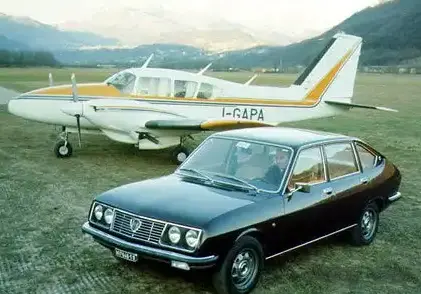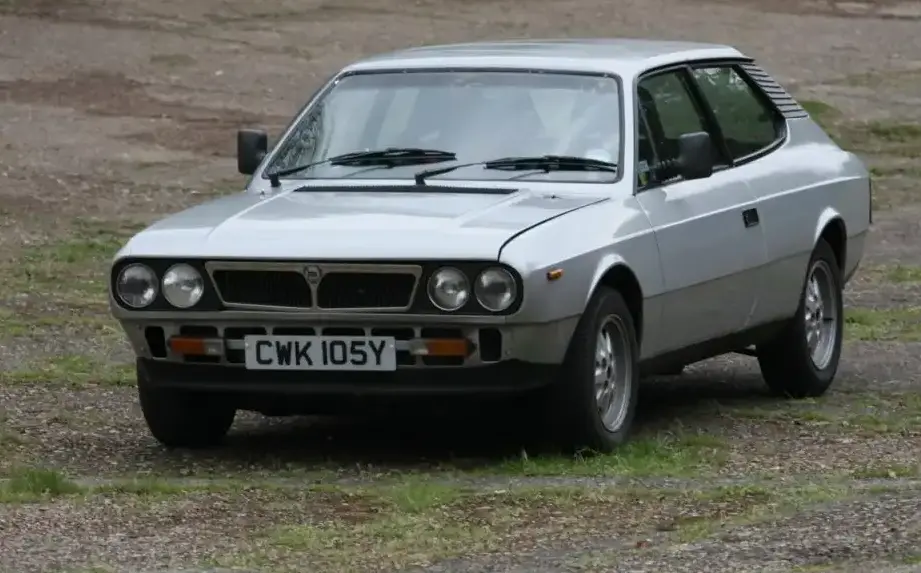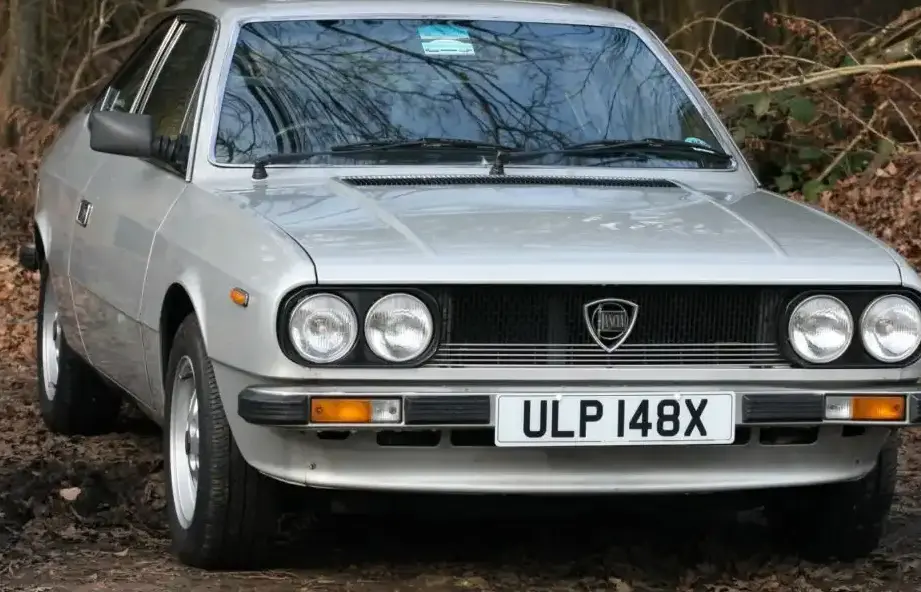
The Lancia Beta Coupe (BC) 2000, produced between 1976 and 1984, represented a significant offering in the compact coupe market, particularly within Europe. Positioned as a more sporting alternative to mainstream family cars, the Beta Coupe aimed to blend Italian style with capable performance and a relatively modern engineering package. The 2000 variant, equipped with a 2.0-liter engine producing 120 horsepower, occupied a mid-range position within the Beta Coupe lineup, offering a step up in performance from the smaller displacement models while remaining more accessible than the later, more focused versions. It was a key part of Lancia’s attempt to modernize its image and appeal to a broader customer base.
Technical Specifications
| Brand | Lancia |
| Model | Beta |
| Generation | Beta Coupe (BC) |
| Type (Engine) | 2000 (120 Hp) |
| Start of production | 1976 |
| End of production | 1984 |
| Powertrain Architecture | Internal Combustion engine |
| Body type | Coupe |
| Seats | 4 |
| Doors | 2 |
| Fuel Type | Petrol (Gasoline) |
| Maximum speed | 190 km/h (118.06 mph) |
| Weight-to-power ratio | 8.9 kg/Hp, 112.1 Hp/tonne |
| Weight-to-torque ratio | 6 kg/Nm, 166.4 Nm/tonne |
| Power | 120 Hp @ 5500 rpm |
| Power per litre | 60.2 Hp/l |
| Torque | 178 Nm @ 2800 rpm (131.29 lb.-ft. @ 2800 rpm) |
| Engine layout | Front, Transverse |
| Engine Model/Code | 828 B1.000 |
| Engine displacement | 1995 cm3 (121.74 cu. in.) |
| Number of cylinders | 4 |
| Engine configuration | Inline |
| Cylinder Bore | 84 mm (3.31 in.) |
| Piston Stroke | 90 mm (3.54 in.) |
| Compression ratio | 8.9:1 |
| Engine aspiration | Naturally aspirated engine |
| Valvetrain | DOHC |
| Engine oil capacity | 4.2 l (4.44 US qt | 3.7 UK qt) |
| Coolant | 7.5 l (7.93 US qt | 6.6 UK qt) |
| Kerb Weight | 1070 kg (2358.95 lbs.) |
| Length | 3995 mm (157.28 in.) |
| Width | 1650 mm (64.96 in.) |
| Height | 1285 mm (50.59 in.) |
| Wheelbase | 2350 mm (92.52 in.) |
| Drivetrain Architecture | The Internal combustion engine (ICE) drives the front wheels of the vehicle. |
| Drive wheel | Front wheel drive |
Powertrain & Engine Architecture
The heart of the Beta Coupe 2000 was the 828 B1.000 engine, a 1995cc inline-four cylinder unit. This engine featured a dual overhead camshaft (DOHC) valvetrain, a relatively sophisticated design for its time, contributing to its respectable power output. Fuel delivery was managed by a Bosch mechanical fuel injection system, a step up from carburetion and offering improved efficiency and responsiveness. The engine utilized a cast iron block and an aluminum cylinder head. The 8.9:1 compression ratio was a compromise between performance and the fuel quality available in European markets. The engine was transversely mounted, a layout that maximized interior space and contributed to the car’s front-wheel-drive configuration.
The 2000 model was typically paired with a three-speed automatic transmission. This transmission, while providing ease of use, was often criticized for its relatively slow shift times and limited gear selection compared to the available five-speed manual. The automatic transmission was geared towards comfortable cruising rather than spirited driving.
Driving Characteristics
The Beta Coupe 2000 Automatic offered a comfortable and refined driving experience, prioritizing ease of use over outright performance. The 120 horsepower engine provided adequate acceleration, but the automatic transmission’s gearing and shift characteristics meant that it didn’t feel particularly quick. Compared to the manual transmission versions, the automatic suffered from noticeable performance loss. The front-wheel-drive layout provided predictable handling, although it could exhibit understeer when pushed hard. The steering was light and responsive, making it easy to maneuver in urban environments. The suspension, while comfortable, wasn’t particularly sporty, resulting in some body roll during cornering. The overall driving experience was best described as grand touring – relaxed and capable on long journeys, but not a particularly engaging sports car.
Equipment & Trim Levels
The Beta Coupe 2000 typically came equipped with a reasonable level of standard equipment for its price point. This included cloth upholstery, a basic instrument cluster, and power-assisted steering. Optional extras included a sunroof, upgraded audio systems, and leather upholstery. The interior design was functional and stylish, reflecting the Italian design aesthetic of the era. Trim levels were relatively simple, with the 2000 model representing a mid-range offering. Higher-spec versions often featured more luxurious interior appointments and additional convenience features.
Chassis & Braking
The Beta Coupe utilized a monocoque chassis construction, providing a good balance of strength and weight. The front suspension consisted of independent MacPherson struts, while the rear suspension employed a torsion beam setup. Braking was typically accomplished with disc brakes on the front wheels and drum brakes on the rear. The braking system was adequate for normal driving conditions, but lacked the stopping power of more modern systems. Stabilizer bars were fitted to both the front and rear axles to reduce body roll during cornering.
Market Reception & Comparison
The Lancia Beta Coupe 2000 Automatic received mixed reviews from automotive critics. While praised for its stylish design and comfortable ride, it was often criticized for its lackluster performance with the automatic transmission. Compared to the manual transmission versions, the automatic was noticeably slower and less engaging to drive. The 2000 model offered a good balance between performance and fuel economy, but it wasn’t as fuel-efficient as the smaller displacement Beta Coupes. Reliability was also a concern, with some owners reporting issues with the fuel injection system and electrical components. However, the Beta Coupe 2000 remained a popular choice for buyers seeking a stylish and comfortable coupe.
Legacy
The Lancia Beta Coupe 2000, while not without its flaws, remains a fondly remembered classic. The 828 B1.000 engine, when properly maintained, proved to be relatively durable. However, the automatic transmission can be prone to issues with age. Today, the Beta Coupe 2000 is a sought-after vehicle among classic car enthusiasts, particularly those who appreciate Italian design and engineering. Values have been steadily increasing in recent years, reflecting the car’s growing popularity and rarity. Finding well-maintained examples can be challenging, but the Beta Coupe 2000 offers a unique and rewarding driving experience for those willing to invest the time and effort.