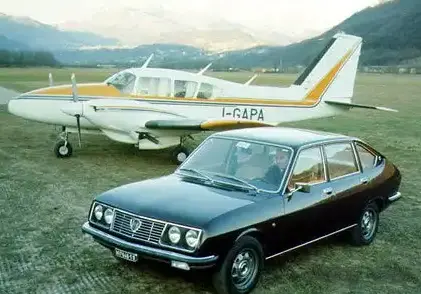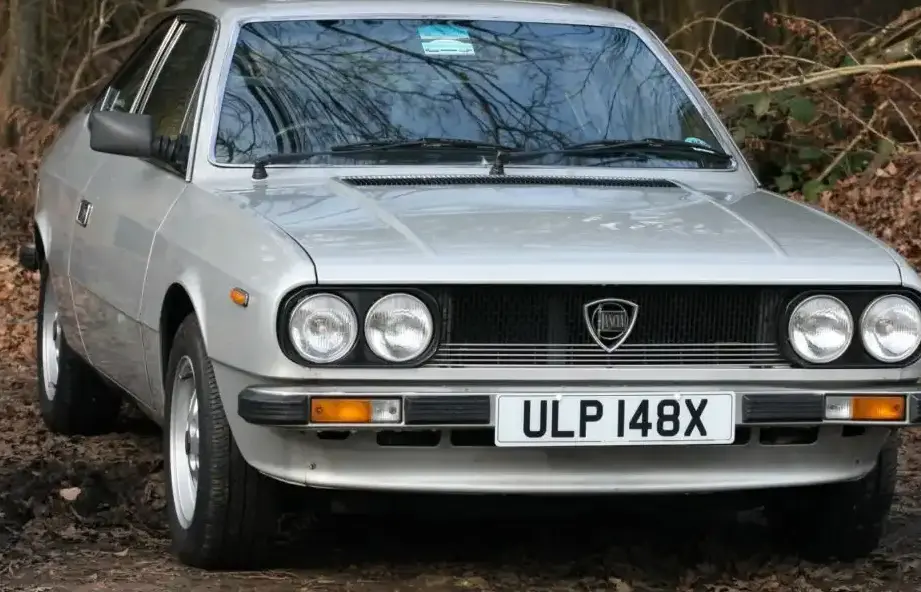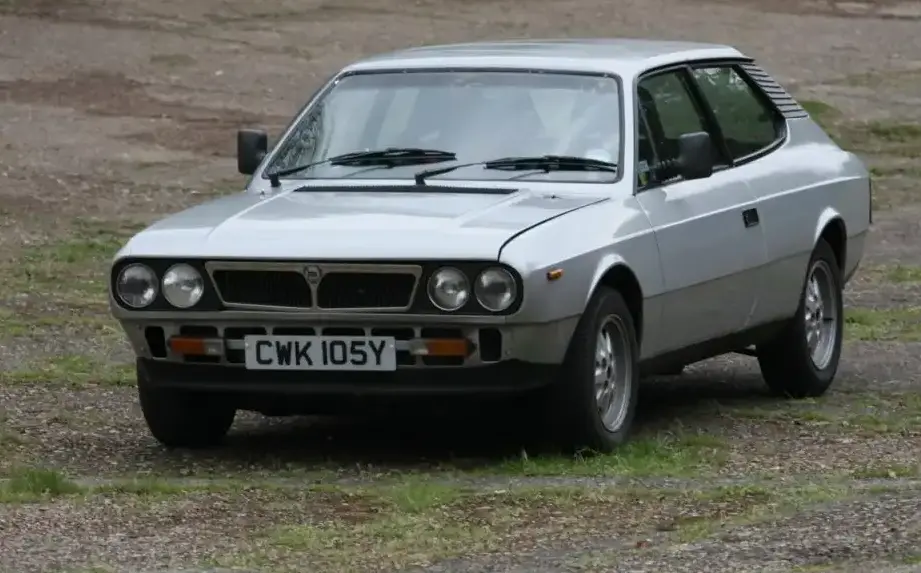
The Lancia Beta H.p.e. (High Performance Estate), specifically the 2000 variant with the 828 B1.000 engine producing 116 horsepower, represents a unique and often overlooked chapter in Lancia’s history. Produced between 1979 and 1984, this model combined the practicality of a station wagon with the sporting pedigree Lancia was known for. It was positioned as the premium, performance-oriented version of the Beta estate, appealing to buyers who desired a more refined and capable vehicle than the standard Beta models.
Technical Specifications
| Brand | Lancia |
| Model | Beta |
| Generation | Beta H.p.e. (828 BF) |
| Type (Engine) | 2000 (116 Hp) |
| Start of Production | 1979 |
| End of Production | 1984 |
| Powertrain Architecture | Internal Combustion Engine |
| Body Type | Station Wagon (Estate) |
| Fuel Type | Petrol (Gasoline) |
| Power | 116 Hp |
| Engine Model/Code | 828 B1.000 |
| Engine Aspiration | Naturally Aspirated |
| Engine Oil Capacity | 4.2 l (4.44 US qt | 3.7 UK qt) |
| Coolant Capacity | 7.5 l (7.93 US qt | 6.6 UK qt) |
Introduction
The Lancia Beta, launched in 1972, was intended to modernize Lancia’s lineup and compete with offerings from Alfa Romeo and Fiat. The H.p.e. variant, introduced later in the Beta’s lifecycle, aimed to capitalize on the growing popularity of estate cars while maintaining Lancia’s reputation for engineering excellence. The 2000 H.p.e., distinguished by its larger engine and improved performance, was the flagship of the Beta estate range. It was built on the Beta platform, known for its independent suspension and relatively lightweight construction, contributing to its handling characteristics.
Powertrain & Engine Architecture
The heart of the Beta 2000 H.p.e. is the 828 B1.000 engine, a 1995cc inline-four cylinder powerplant. This engine featured a belt-driven, dual overhead camshaft (DOHC) valvetrain, a relatively sophisticated design for its time. Fuel delivery was managed by a Bosch mechanical fuel injection system, providing a more precise and efficient fuel mixture compared to carbureted engines. The engine produced 116 horsepower at 6200 rpm and 137 lb-ft of torque at 4000 rpm. The engine block was cast iron, while the cylinder head was aluminum, contributing to a reasonable weight balance. The 828 B1.000 was known for its smooth operation and willingness to rev, characteristics that aligned with Lancia’s sporting image. The engine was typically paired with a four-speed manual transmission, although a three-speed automatic transmission was also available, albeit less common.
Driving Characteristics
The Beta 2000 H.p.e. offered a driving experience that blended comfort and performance. The independent suspension – featuring double wishbones at the front and a trailing arm setup at the rear – provided a compliant ride and good handling. The 116 horsepower engine, while not overwhelmingly powerful by modern standards, provided sufficient power for comfortable cruising and spirited driving. The four-speed manual transmission allowed drivers to exploit the engine’s torque curve, while the optional automatic, though less engaging, offered convenience. Compared to the 1.6-liter Beta estates, the 2000 H.p.e. offered noticeably improved acceleration and highway passing power. It wasn’t a sports car, but it was a capable and enjoyable vehicle to drive, particularly on winding roads. The steering was light and precise, contributing to the car’s overall agility.
Equipment & Trim Levels
The H.p.e. variant was generally well-equipped for its era. Standard features included cloth upholstery, a wood-rimmed steering wheel, and a comprehensive instrument panel. The interior was designed with practicality in mind, offering ample space for passengers and cargo. Optional extras included leather upholstery, electric windows, and a sunroof. The H.p.e. also featured distinctive exterior trim, including chrome accents and specific wheel designs. The dashboard layout was typical of Italian cars of the period, with a focus on ergonomics and aesthetics. The estate body style provided a large and versatile cargo area, making it ideal for families or those with active lifestyles.
Chassis & Braking
The Beta H.p.e. utilized a monocoque chassis construction, providing a good balance of strength and weight. The front suspension featured independent double wishbones with coil springs and telescopic shock absorbers. The rear suspension employed a trailing arm setup, also with coil springs and shock absorbers. Braking was initially provided by disc brakes at the front and drum brakes at the rear, although later models often featured disc brakes all around. The braking system was hydraulic, with power assistance. Steering was rack and pinion, providing precise and responsive control. Stabilizer bars were fitted to both the front and rear axles to reduce body roll during cornering.
Market Reception & Comparison
The Lancia Beta 2000 H.p.e. was generally well-received by automotive critics, who praised its handling, comfort, and stylish design. However, it faced competition from other European estates, such as the Volvo 240 and the Ford Taunus. Compared to the standard Beta estates, the 2000 H.p.e. offered a significant performance upgrade, but it also came at a higher price. Fuel economy was reasonable for the time, averaging around 22-26 mpg. Reliability was a mixed bag; while the Beta was generally well-engineered, it was known to be susceptible to rust, particularly in colder climates. The 2000 H.p.e. was often seen as a more refined and sophisticated alternative to the more utilitarian estates on the market.
Legacy
The Lancia Beta 2000 H.p.e. remains a relatively rare and sought-after classic car today. Its combination of practicality, performance, and Italian style has earned it a dedicated following among enthusiasts. While rust can be a significant issue, well-maintained examples are highly prized. The 828 B1.000 engine is generally considered to be a robust and reliable unit, although regular maintenance is essential. The Beta H.p.e. represents a high point in Lancia’s history, showcasing the company’s engineering prowess and design flair. In the used car market, prices for good condition examples have been steadily increasing, reflecting the growing appreciation for this unique and charming Italian estate car.