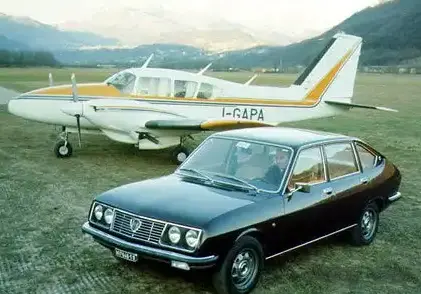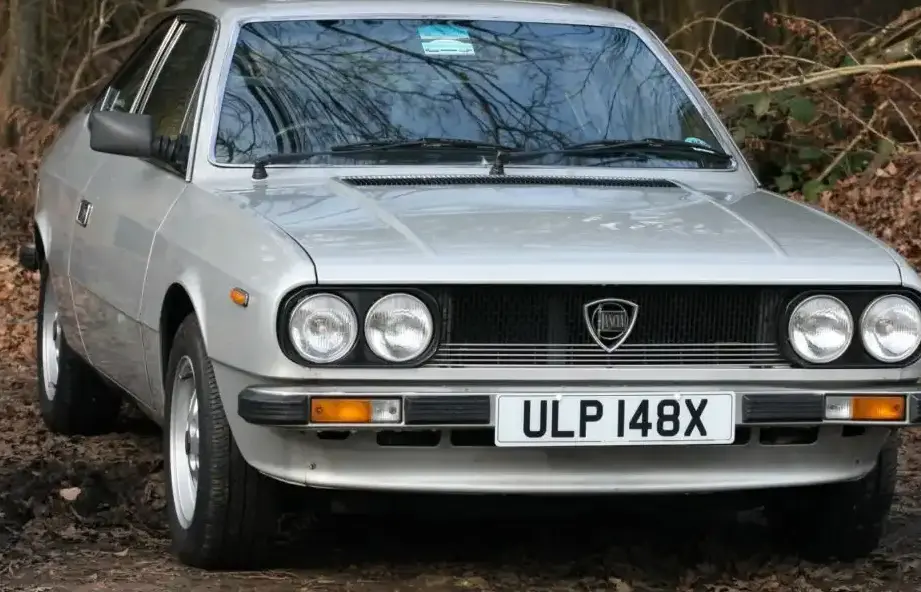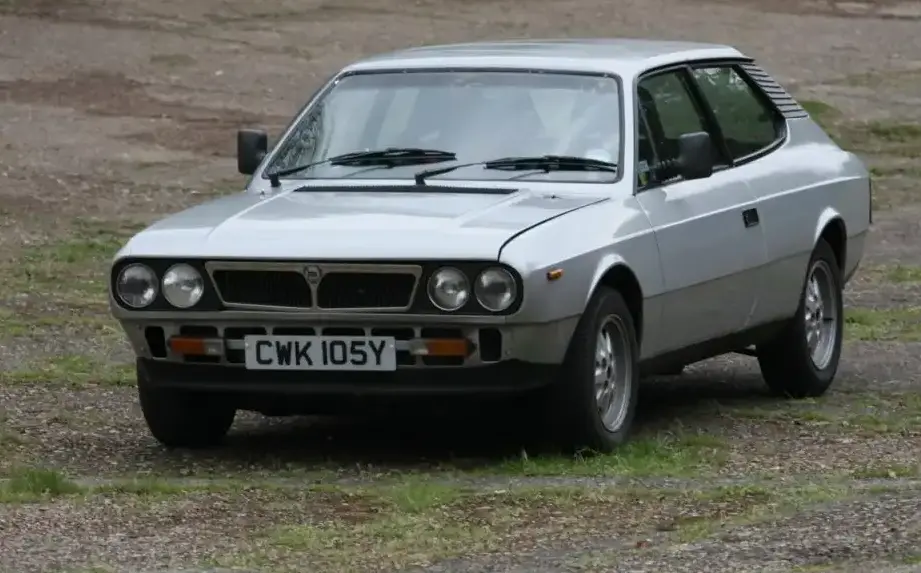
The Lancia Beta H.p.e. (828 BF) 2000, produced between 1976 and 1978, represents a unique and relatively rare variant within the broader Lancia Beta family. The “H.p.e.” designation, standing for “High Performance Estate,” signified Lancia’s attempt to combine practicality with a degree of sporting character in a station wagon format. This model occupied a niche position, offering a more refined and powerful alternative to the standard Beta estate, and was positioned as a premium offering within the Beta lineup. It was built on the Beta platform, known for its innovative engineering and independent suspension, and aimed at buyers seeking a comfortable and capable family vehicle with a touch of Italian flair.
Technical Specifications
| Brand | Lancia |
| Model | Beta |
| Generation | Beta H.p.e. (828 BF) |
| Type (Engine) | 2000 (120 Hp) |
| Start of production | 1976 |
| End of production | 1978 |
| Powertrain Architecture | Internal Combustion engine |
| Body type | Station wagon (estate) |
| Fuel Type | Petrol (Gasoline) |
| Power | 120 Hp |
| Engine Model/Code | 828 B1.000 |
| Engine aspiration | Naturally aspirated engine |
| Engine oil capacity | 4.2 l / 4.44 US qt / 3.7 UK qt |
| Coolant capacity | 7.5 l / 7.93 US qt / 6.6 UK qt |
Powertrain & Engine Architecture
The heart of the Beta H.p.e. 2000 is the 828 B1.000 engine, a 1995cc inline-four cylinder powerplant. This engine is a significant upgrade over the smaller displacement Beta engines, offering considerably more power and torque. It features a cast iron block and an aluminum cylinder head, a common configuration for the era. The engine utilizes a twin overhead camshaft (DOHC) design, a relatively advanced feature for a production car of the mid-1970s, contributing to its improved breathing and higher output. Fuel delivery is managed by a Weber 32 ADF carburetor, providing a responsive throttle response. The engine’s valvetrain employs hydraulic lifters, reducing the need for frequent valve adjustments. The 828 B1.000 produces 120 horsepower at 6200 rpm and approximately 137 lb-ft of torque at 4000 rpm. The engine is mated to a four-speed manual transmission as standard, although a three-speed automatic transmission was also offered, albeit less commonly. The automatic transmission, while providing convenience, did impact the car’s acceleration performance.
Driving Characteristics
The Beta H.p.e. 2000, equipped with the manual transmission, offered a reasonably spirited driving experience for its time. Acceleration from 0 to 60 mph was achieved in around 9.5 seconds, respectable for a family estate car of the 1970s. The engine’s torque delivery provided adequate pulling power for overtaking maneuvers and maintaining comfortable cruising speeds on highways. The automatic transmission version, however, noticeably dulled performance, extending the 0-60 mph time to around 11 seconds. The Beta’s independent suspension – featuring double wishbones at the front and a trailing arm setup at the rear – contributed to a comfortable ride and good handling characteristics. The steering was light and precise, making the car easy to maneuver in urban environments. The H.p.e.’s increased weight compared to the standard Beta sedan did slightly diminish its agility, but the overall driving experience remained enjoyable and well-balanced.
Equipment & Trim Levels
The H.p.e. 2000 was generally well-equipped for its era, reflecting its positioning as a premium variant. Standard features included cloth upholstery, a wood-rimmed steering wheel, and a comprehensive instrument panel with gauges for speed, tachometer, fuel level, coolant temperature, and oil pressure. Power-assisted steering was typically included. Optional extras included a sunroof, upgraded audio systems, and metallic paint finishes. The interior trim was generally of a high quality, with attention paid to detail and comfort. The H.p.e. also featured a spacious cargo area, befitting its estate car body style, with a relatively flat load floor when the rear seats were folded down. The dashboard layout was typical of Italian cars of the period, with a focus on ergonomics and aesthetic appeal.
Chassis & Braking
The Beta H.p.e. 2000 utilized a monocoque chassis construction, providing a good balance of strength and rigidity. The front suspension featured independent double wishbones with coil springs and telescopic shock absorbers. The rear suspension employed a trailing arm setup, also with coil springs and shock absorbers. Braking was initially provided by disc brakes at the front and drum brakes at the rear. Later models saw the introduction of rear disc brakes as standard, improving braking performance. The braking system was hydraulically operated, with power assistance available as an option. The H.p.e. 2000 typically featured wider tires than the standard Beta, enhancing grip and handling. Stabilizer bars were fitted to both the front and rear axles, further reducing body roll during cornering.
Market Reception & Comparison
The Lancia Beta H.p.e. 2000 received generally positive reviews from automotive journalists of the time. Critics praised its comfortable ride, spacious interior, and relatively powerful engine. However, some noted the car’s susceptibility to rust, a common issue with Italian cars of the era. Compared to its siblings, the H.p.e. 2000 offered a significant performance advantage over the smaller-engined Beta models. It was positioned as a more practical and refined alternative to the sporty Beta Coupe. Fuel economy was reasonable for the time, averaging around 22-25 mpg. Reliability was generally good, although the Weber carburetor required periodic maintenance. Compared to competitors such as the Volvo 145 and the Saab 95, the Beta H.p.e. 2000 offered a more stylish and engaging driving experience, but potentially at the cost of long-term durability.
Legacy
The Lancia Beta H.p.e. 2000 remains a relatively rare and sought-after classic car today. Its innovative engineering, comfortable ride, and distinctive Italian styling have earned it a loyal following among enthusiasts. The 828 B1.000 engine, while not without its quirks, is generally considered to be a robust and reliable unit when properly maintained. Rust remains the biggest threat to the survival of these cars, and finding well-preserved examples is becoming increasingly difficult. In the used car market, prices for good condition H.p.e. 2000s have been steadily increasing in recent years, reflecting their rarity and desirability. The Beta H.p.e. 2000 represents a unique chapter in Lancia’s history, showcasing the brand’s commitment to innovation and its ability to create stylish and practical vehicles.