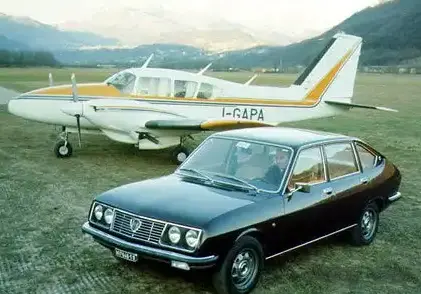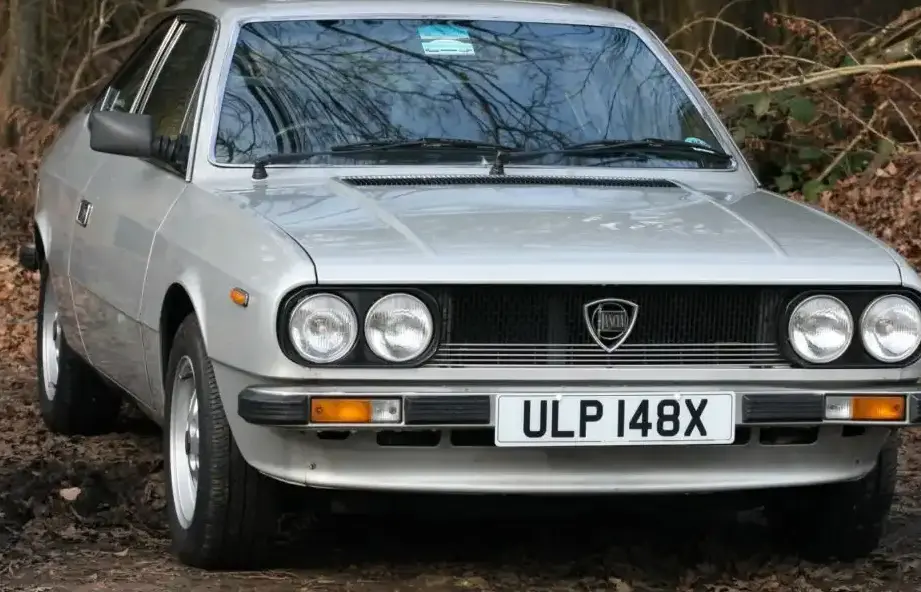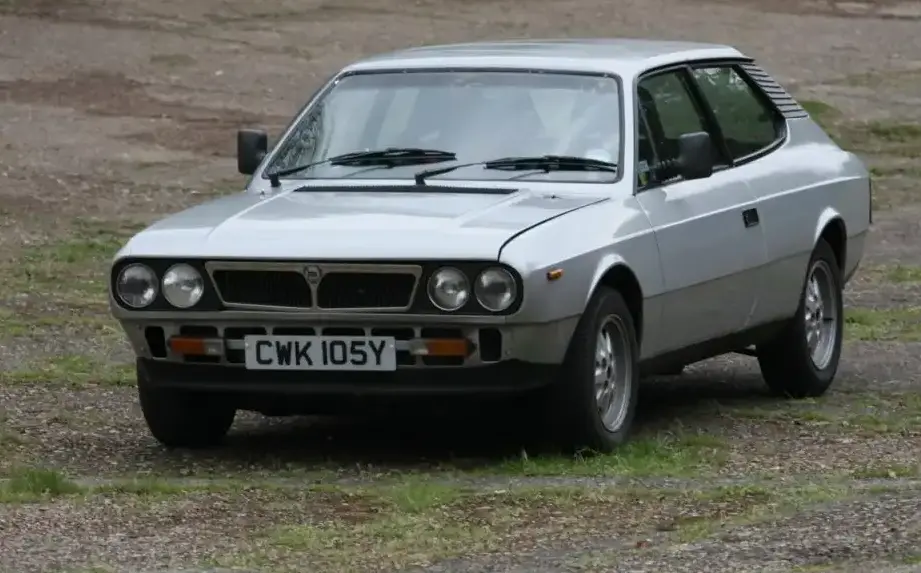
The Lancia Beta H.p.e. (High Performance Estate) 2000 i.e., designated chassis code 828 BF, represents a unique and relatively rare iteration of the Beta model line. Produced between 1982 and 1984, it combined the practicality of a station wagon body style with the performance of Lancia’s sophisticated 2.0-liter fuel-injected engine. This variant occupied a premium position within the Beta range, offering a more refined and powerful alternative to the lower-displacement models. The H.p.e. was Lancia’s attempt to cater to buyers seeking a sporty, yet family-oriented vehicle, a niche that wasn’t widely addressed at the time.
Technical Specifications
| Brand | Lancia |
| Model | Beta |
| Generation | Beta H.p.e. (828 BF) |
| Type (Engine) | 2000 i.e. (122 Hp) |
| Start of Production | 1982 |
| End of Production | 1984 |
| Powertrain Architecture | Internal Combustion Engine |
| Body Type | Station Wagon (Estate) |
| Fuel Type | Petrol (Gasoline) |
| Power | 122 Hp |
| Engine Model/Code | 828 B4.000 |
| Engine Aspiration | Naturally Aspirated |
| Engine Oil Capacity | 4.2 l (4.44 US qt | 3.7 UK qt) |
| Coolant Capacity | 7.5 l (7.93 US qt | 6.6 UK qt) |
Powertrain & Engine Architecture
The heart of the Beta H.p.e. 2000 i.e. is the 828 B4.000 engine, a 1995cc inline-four cylinder powerplant. This engine is notable for its twin overhead camshafts (DOHC) and Bosch mechanical fuel injection system – a relatively advanced setup for its time. The fuel injection system, while not as sophisticated as later electronic systems, provided improved fuel efficiency and performance compared to carbureted engines. The engine featured a cast iron block and an aluminum cylinder head, contributing to its durability. The 828 B4.000 produced 122 horsepower at 6200 rpm and approximately 137 lb-ft of torque at 4000 rpm. The engine’s design emphasized smooth power delivery rather than outright peak performance. The Beta H.p.e. was exclusively offered with a five-speed manual transmission, designed to handle the engine’s output and provide a more engaging driving experience.
Driving Characteristics
The Beta H.p.e. 2000 i.e. offered a compelling blend of performance and practicality. While not a sports car in the purest sense, the 122 hp engine provided brisk acceleration and sufficient power for comfortable highway cruising. The five-speed manual transmission allowed drivers to keep the engine in its optimal power band, enhancing responsiveness. The station wagon body style, while adding weight compared to the coupe or sedan versions, didn’t significantly detract from the car’s handling. The Beta’s independent suspension – featuring MacPherson struts at the front and a trailing arm setup at the rear – contributed to a relatively comfortable and controlled ride. Compared to the lower-powered Beta models (like the 1.3 or 1.6 liter versions), the 2000 i.e. offered a noticeable improvement in acceleration and overall driving enjoyment. It wasn’t as overtly sporty as some of its contemporaries, like the Alfa Romeo GTV6, but it provided a more refined and practical alternative.
Equipment & Trim Levels
The H.p.e. trim level was generally well-equipped for its era. Standard features typically included cloth upholstery, a wood-rimmed steering wheel, and a comprehensive instrument panel. The interior design was typically Italian – functional yet stylish. Optional extras included a sunroof, upgraded audio systems, and metallic paint finishes. The H.p.e. also featured power-assisted steering and front disc brakes as standard equipment. The interior trim was generally of a higher quality than the base Beta models, reflecting the H.p.e.’s positioning as a premium variant. The dashboard layout was clean and straightforward, with easy-to-read gauges.
Chassis & Braking
The Beta H.p.e. utilized a monocoque chassis construction, providing a good balance of rigidity and weight. The front suspension employed MacPherson struts with anti-roll bar, while the rear suspension featured a trailing arm setup. Braking was handled by disc brakes at the front and drum brakes at the rear. While the drum brakes at the rear were a cost-saving measure, they provided adequate stopping power for most driving conditions. The steering was rack and pinion, offering precise and responsive handling. The H.p.e. featured a relatively long wheelbase, contributing to its ride comfort and stability. The suspension was tuned to provide a balance between comfort and handling, making it suitable for both city driving and long-distance journeys.
Market Reception & Comparison
The Lancia Beta H.p.e. 2000 i.e. was generally well-received by automotive critics, who praised its performance, handling, and practicality. However, it faced competition from other European station wagons, such as the Volvo 240 and the Audi 80 Avant. The Beta H.p.e. offered a more sporting driving experience than the Volvo, but it wasn’t as renowned for its reliability. Compared to the Audi, the Beta H.p.e. was often seen as more stylish and characterful, but the Audi offered a more refined and technologically advanced package. Fuel economy was reasonable for a 2.0-liter engine of that era, averaging around 22-26 mpg in mixed driving conditions. Reliability was a common concern with Lancia products of this period, and the Beta H.p.e. was no exception. Rust was also a significant issue, particularly in regions with harsh winters.
Legacy
The Lancia Beta H.p.e. 2000 i.e. remains a relatively rare and sought-after classic car today. Its combination of performance, practicality, and Italian styling has earned it a dedicated following among enthusiasts. While the Beta’s reputation for reliability isn’t stellar, well-maintained examples can provide years of enjoyable motoring. The 828 B4.000 engine is generally considered to be a robust and durable unit, but it requires regular maintenance to prevent issues. Parts availability can be a challenge, but a network of specialist suppliers exists to cater to Lancia owners. The Beta H.p.e. represents a unique chapter in Lancia’s history, showcasing the brand’s commitment to innovation and driving pleasure. Today, it’s a testament to a time when station wagons could be both practical and genuinely enjoyable to drive.