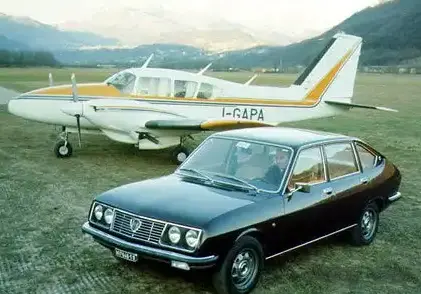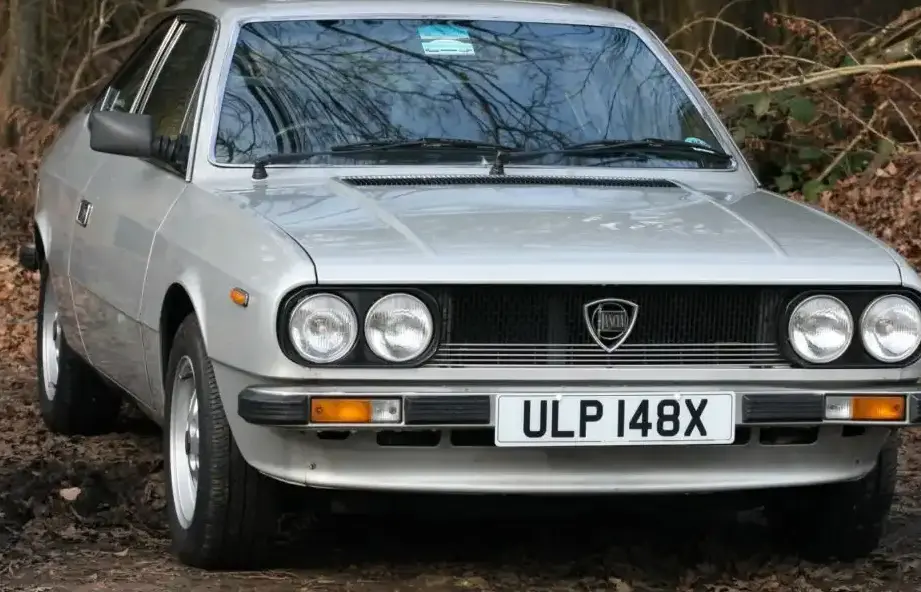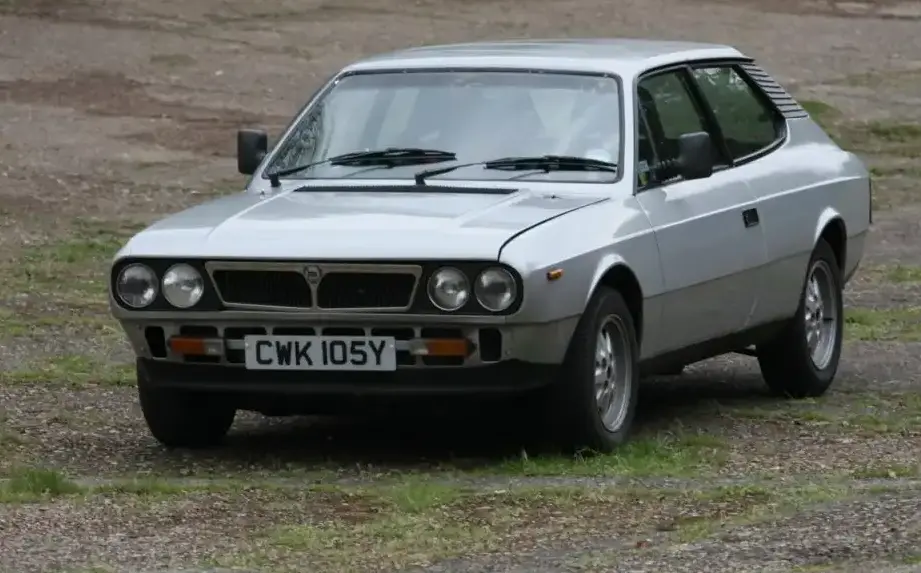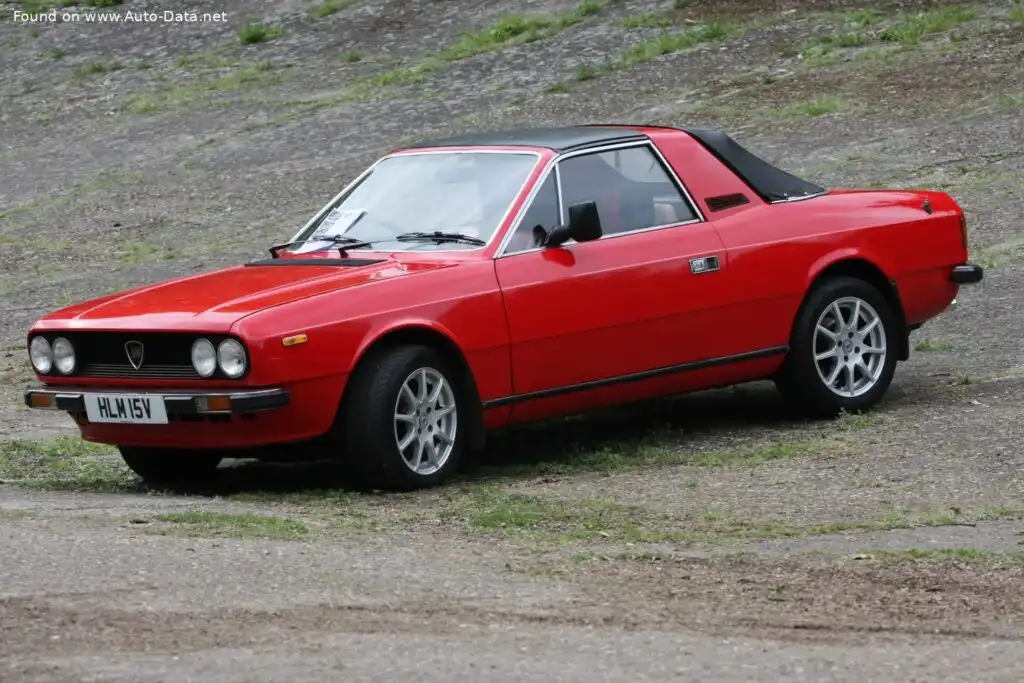
The Lancia Beta Spider 2000, produced between 1979 and 1986, represents a significant iteration of the Beta Spider line, offering a more potent engine option within the popular Italian roadster. Positioned as the premium offering in the Beta Spider range, it aimed to provide a more engaging driving experience than the earlier 1.6-liter models while retaining the Pininfarina-designed elegance that characterized the series. The Beta Spider, and the 2000 variant specifically, played a crucial role in Lancia’s attempt to establish a foothold in the competitive North American sports car market, though its relatively short production run and reputation for rust limited its long-term success. It was built on the Beta platform, sharing many components with the Beta coupe and sedan.
Technical Specifications
| Brand | Lancia |
| Model | Beta |
| Generation | Beta Spider |
| Type (Engine) | 2000 (116 Hp) |
| Start of Production | 1979 |
| End of Production | 1986 |
| Powertrain Architecture | Internal Combustion Engine |
| Body Type | Cabriolet |
| Fuel Type | Petrol (Gasoline) |
| Power | 116 Hp |
| Engine Model/Code | 828 B1.000 |
| Engine Aspiration | Naturally Aspirated |
| Engine Oil Capacity | 4.2 l (4.44 US qt | 3.7 UK qt) |
| Coolant Capacity | 7.5 l (7.93 US qt | 6.6 UK qt) |
Powertrain & Engine Architecture
The heart of the Beta Spider 2000 is the 828 B1.000, a 1995 cc (121.6 cubic inches) inline-four cylinder engine. This engine represents a significant upgrade over the earlier 1.6-liter Beta engines, offering increased displacement and power. It features a cast iron block and an aluminum cylinder head, a common configuration for European engines of the era. The 828 B1.000 utilizes a belt-driven single overhead camshaft (SOHC) valvetrain, operating two valves per cylinder. Fuel delivery is managed by a Bosch mechanical fuel injection system, a relatively sophisticated setup for the late 1970s and early 1980s, providing improved fuel atomization and more consistent performance compared to carburetors. The engine produces 116 horsepower at 6200 rpm and 137 lb-ft of torque at 4000 rpm. While a five-speed manual transmission was available, the Beta Spider 2000 was also offered with a three-speed automatic transmission, a popular choice for the American market, though it did impact performance. The automatic transmission was a Borg-Warner unit, known for its durability but also for its relatively slow shift times.
Driving Characteristics
The Beta Spider 2000, when equipped with the five-speed manual, offered a reasonably sporty driving experience. The increased power and torque of the 2.0-liter engine provided noticeably better acceleration than the 1.6-liter versions. The chassis, while relatively simple, was well-balanced, and the Pininfarina-designed body contributed to good aerodynamics. However, the automatic transmission version significantly dulled the driving experience. The three-speed automatic’s wide gear ratios meant the engine often felt strained during acceleration, and the lack of a fourth gear resulted in higher engine speeds at highway cruising, impacting fuel economy and refinement. The steering was unassisted, providing good feedback but requiring some effort, particularly at low speeds. The suspension, consisting of independent front suspension with MacPherson struts and a live axle with trailing arms at the rear, provided a comfortable ride, but the handling could become somewhat unsettled on uneven surfaces. The 0-60 mph time for the manual version was around 9.5 seconds, while the automatic version was closer to 11 seconds.
Equipment & Trim Levels
The Beta Spider 2000 was generally well-equipped for its time, particularly compared to other affordable sports cars. Standard features included leather upholstery, power-assisted brakes, and a comprehensive instrument panel. The interior design was typically Italian, with a focus on style and ergonomics. The dashboard featured wood trim and a leather-wrapped steering wheel. Optional extras included air conditioning, a radio with cassette player, and alloy wheels. The Beta Spider 2000 was positioned as the top-of-the-line Spider model, and as such, it received a higher level of standard equipment than the 1.6-liter versions. Interior color options were varied, allowing buyers to personalize their vehicles. The convertible top was manually operated and featured a glass rear window.
Chassis & Braking
The Beta Spider utilized a monocoque chassis construction, providing a good balance of strength and weight. The front suspension featured MacPherson struts, coil springs, and an anti-roll bar. The rear suspension employed a live axle with trailing arms, coil springs, and a stabilizer bar. Braking was initially provided by disc brakes at the front and drum brakes at the rear. Later models received disc brakes all around, improving stopping performance. The braking system was hydraulically operated with power assistance. The steering was a rack-and-pinion system, providing precise steering feel, though it lacked power assistance. The tires were typically 185/60R14, providing adequate grip for the car’s performance capabilities.
Market Reception & Comparison
The Lancia Beta Spider 2000 received mixed reviews from automotive critics. The engine was generally praised for its performance and refinement, but the car’s build quality and susceptibility to rust were frequently criticized. Compared to its rivals, such as the MG B and the Fiat 124 Spider, the Beta Spider offered a more sophisticated driving experience and a more stylish interior. However, it was also more expensive and less reliable. The automatic transmission version was often criticized for its sluggish performance and poor fuel economy. Fuel economy for the manual version was around 22 mpg city and 30 mpg highway, while the automatic version achieved around 18 mpg city and 25 mpg highway. The Beta Spider 2000’s relatively high price and limited availability hampered its sales in the United States.
Legacy
The Lancia Beta Spider 2000, while not a commercial success, remains a fondly remembered classic car. Its Pininfarina-designed styling and relatively potent engine have earned it a dedicated following among enthusiasts. However, its reputation for rust and mechanical issues has made it a challenging car to own and maintain. Finding well-preserved examples is becoming increasingly difficult, and parts availability can be limited. The 2.0-liter engine is generally considered to be the most desirable engine option for the Beta Spider, and well-maintained examples command a premium in the used car market. The Beta Spider 2000 represents a unique chapter in Lancia’s history, showcasing the company’s commitment to stylish and engaging sports cars.