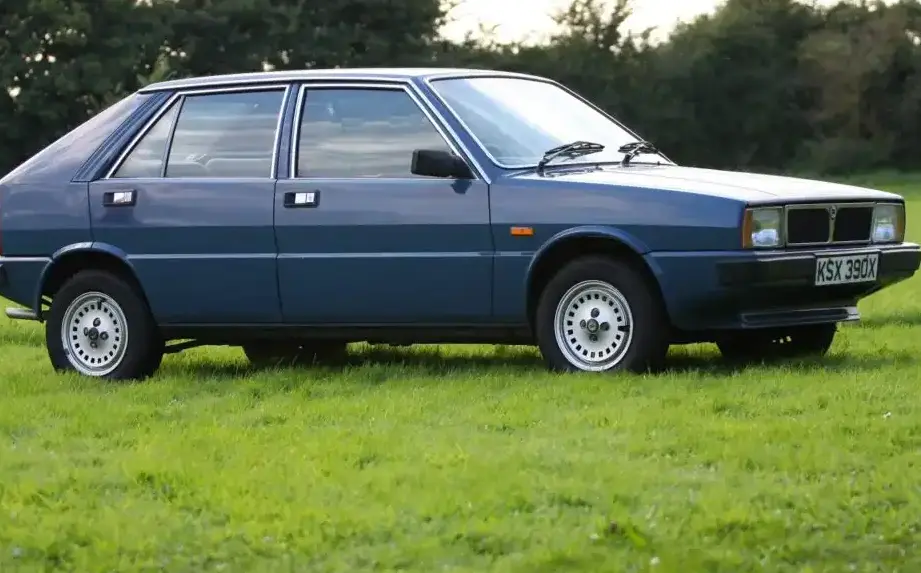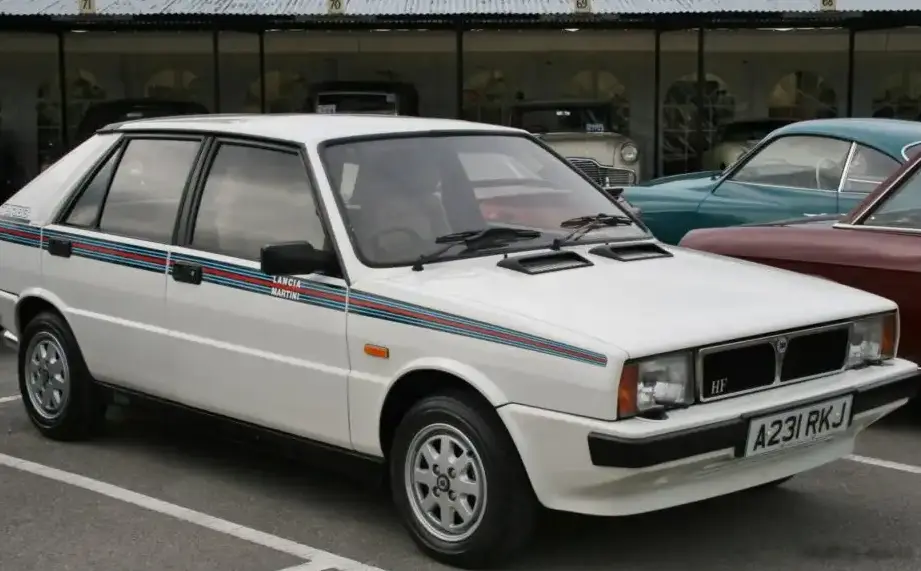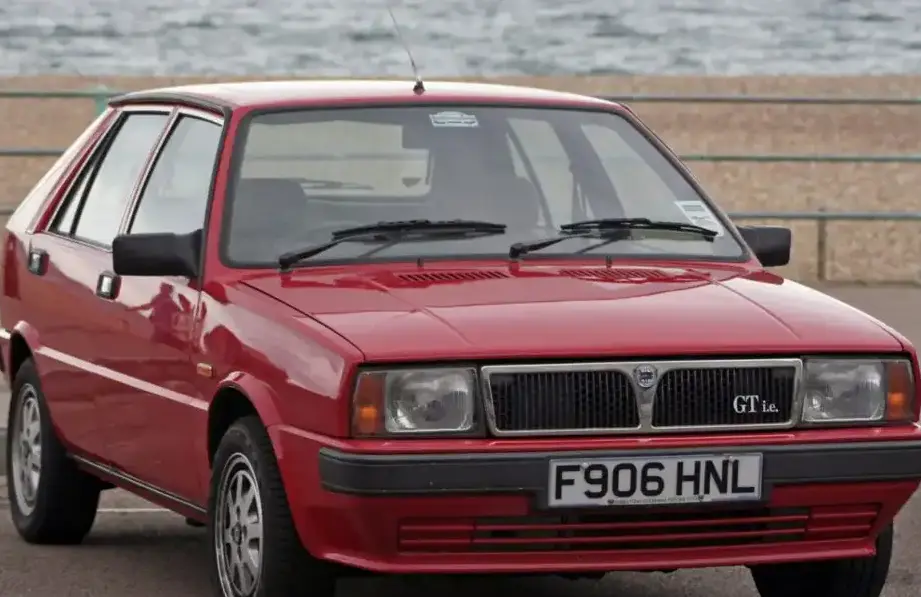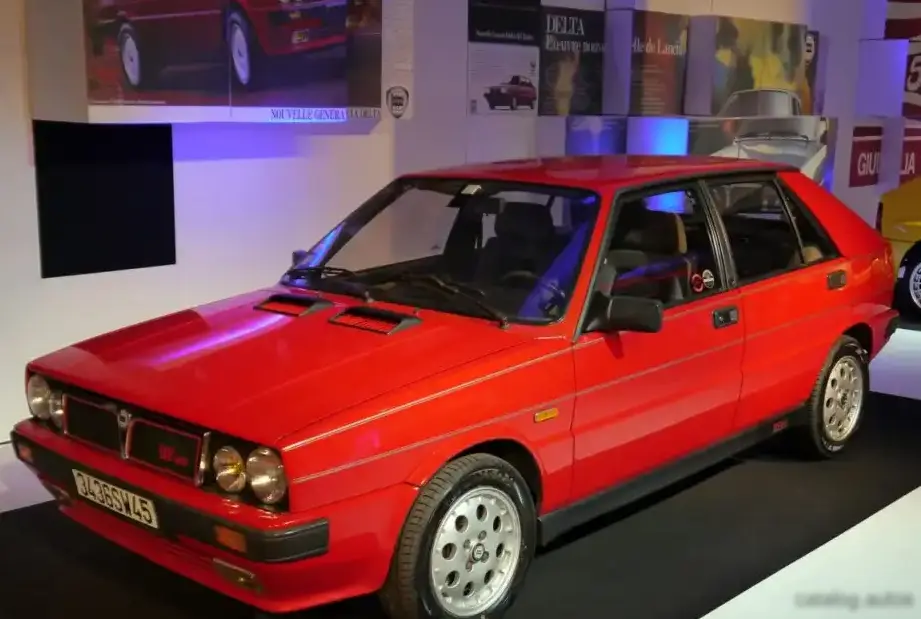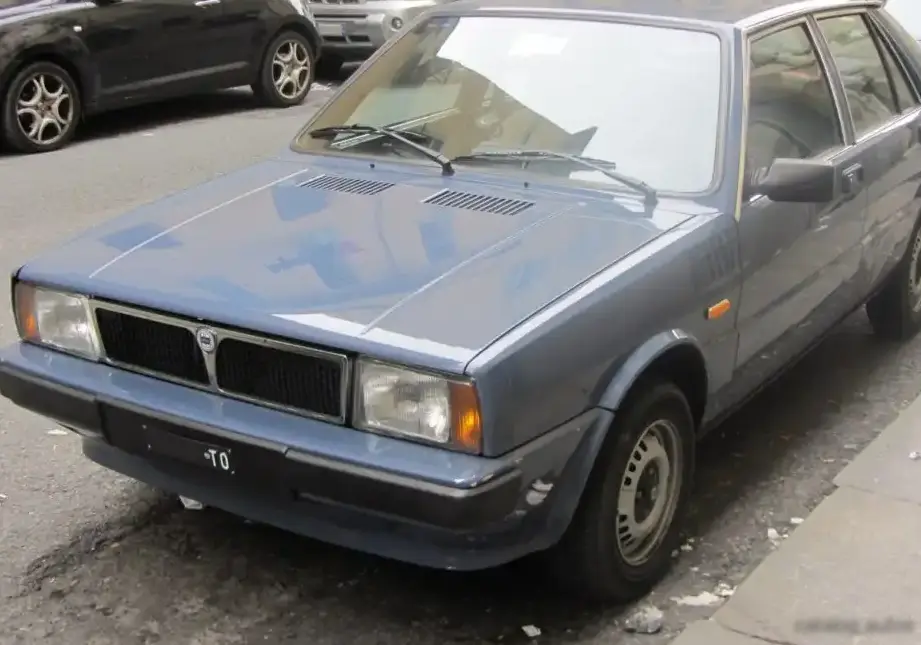
The Lancia Delta 1500, specifically the 1.5-liter (85 hp) variant paired with an automatic transmission, represented a crucial entry point into the first generation (Type 831) of this iconic Italian hatchback. Produced from November 1982 to May 1986, this model occupied a unique position within the Delta lineup, offering a blend of practicality, comfort, and Lancia’s signature style to a broader audience. The Delta I, launched in 1979, was a significant departure from Lancia’s previous offerings, embracing a more modern, front-wheel-drive layout and a focus on everyday usability. The 1982 facelift refined the design and introduced updated engine options, including the 1.5-liter automatic detailed here, solidifying the Delta’s appeal in the European market.
Technical Specifications
| Brand | Lancia |
| Model | Delta |
| Generation | Delta I (831, facelift 1982) |
| Type (Engine) | 1500 1.5 (85 Hp) Automatic |
| Start of production | November, 1982 |
| End of production | May, 1986 |
| Powertrain Architecture | Internal Combustion engine |
| Body type | Hatchback |
| Seats | 5 |
| Doors | 5 |
| Fuel consumption (urban) | 10 l/100 km (23.5 US mpg) |
| Fuel consumption (extra urban) | 7.2 l/100 km (32.7 US mpg) |
| Fuel Type | Petrol (Gasoline) |
| Acceleration 0 – 100 km/h | 14.3 sec |
| Acceleration 0 – 62 mph | 14.3 sec |
| Acceleration 0 – 60 mph | 13.6 sec |
| Maximum speed | 160 km/h (99.42 mph) |
| Weight-to-power ratio | 11.3 kg/Hp |
| Weight-to-torque ratio | 7.6 kg/Nm |
| Power | 85 Hp @ 5800 rpm |
| Power per litre | 56.7 Hp/l |
| Torque | 126 Nm @ 3500 rpm (92.93 lb.-ft. @ 3500 rpm) |
| Engine layout | Front, Transverse |
| Engine Model/Code | 831A1000 |
| Engine displacement | 1498 cm3 (91.41 cu. in.) |
| Number of cylinders | 4 |
| Engine configuration | Inline |
| Number of valves per cylinder | 2 |
| Fuel injection system | Carburettor |
| Engine aspiration | Naturally aspirated engine |
| Valvetrain | SOHC |
| Engine oil capacity | 4.3 l (4.54 US qt | 3.78 UK qt) |
| Coolant capacity | 6 l (6.34 US qt | 5.28 UK qt) |
| Kerb Weight | 960 kg (2116.44 lbs) |
| Max. weight | 1410 kg (3108.52 lbs) |
| Max load | 450 kg (992.08 lbs) |
| Trunk (boot) space – minimum | 260 l (9.18 cu. ft.) |
| Trunk (boot) space – maximum | 1000 l (35.31 cu. ft.) |
| Fuel tank capacity | 45 l (11.89 US gal | 9.9 UK gal) |
| Length | 3895 mm (153.35 in) |
| Width | 1620 mm (63.78 in) |
| Height | 1380 mm (54.33 in) |
| Wheelbase | 2475 mm (97.44 in) |
| Front track | 1400 mm (55.12 in) |
| Rear track | 1400 mm (55.12 in) |
| Minimum turning circle | 10.6 m (34.78 ft) |
| Drivetrain Architecture | Front wheel drive |
| Number of gears | 3 |
| Gearbox type | Automatic transmission |
| Front suspension | Independent, McPherson with coil spring and anti-roll bar |
| Rear suspension | McPherson, Transverse stabilizer |
| Front brakes | Disc |
| Rear brakes | Drum |
| Steering type | Steering rack and pinion |
| Tires size | 165/70 R13 |
| Wheel rims size | 5J x 13 |
Powertrain & Engine Architecture
The heart of this Delta variant was the 831A1000 engine, a 1.5-liter inline-four cylinder unit. This engine utilized a single overhead camshaft (SOHC) valvetrain with two valves per cylinder. Fuel delivery was managed by a carburetor, a common setup for the time, prioritizing simplicity and cost-effectiveness over the more advanced fuel injection systems found in higher-spec models. The 831A1000 produced 85 horsepower at 5800 rpm and 126 Nm (93 lb-ft) of torque at 3500 rpm. This power was then channeled through a three-speed automatic transmission, a relatively uncommon option for European cars of this era, and designed to provide a smoother, more accessible driving experience. The automatic transmission, while offering convenience, did impact overall performance compared to the available five-speed manual gearbox.
Driving Characteristics
The 1.5-liter automatic Delta offered a comfortable and relaxed driving experience. Acceleration was modest, with a 0-60 mph time of around 13.6 seconds and a top speed of 99 mph. The three-speed automatic transmission, while smooth, resulted in noticeable gear changes and a less engaging driving feel compared to the manual versions. The gear ratios were optimized for fuel economy and ease of use rather than outright performance. The automatic transmission did detract from the Delta’s inherent handling capabilities, as drivers had less control over engine braking and gear selection during cornering. However, for drivers prioritizing comfort and convenience, the automatic provided a pleasant and undemanding ride.
Equipment & Trim Levels
The 1.5-liter automatic Delta typically came equipped with a fairly basic level of trim. Standard features included cloth upholstery, a simple dashboard layout, and manual windows and door locks. Power steering was often an optional extra, as was an upgraded stereo system. The interior was functional and durable, reflecting the Delta’s focus on practicality. Higher trim levels, such as the Delta 1.6 GT, offered more luxurious appointments, including upgraded upholstery, alloy wheels, and additional convenience features. The automatic version was often seen as a more comfort-oriented trim, appealing to buyers who didn’t prioritize sporty driving dynamics.
Chassis & Braking
The Delta I utilized a McPherson strut suspension setup at both the front and rear, providing a comfortable ride and reasonable handling. The front suspension incorporated an anti-roll bar to reduce body roll during cornering. Braking was accomplished via disc brakes at the front and drum brakes at the rear. This configuration was typical for cars in this price range and weight class during the early 1980s. The braking system was adequate for everyday driving, but lacked the stopping power of more advanced setups found on higher-performance models. The Delta’s relatively lightweight construction (around 960 kg or 2116 lbs) helped to mitigate the limitations of the braking system.
Market Reception & Comparison
The Lancia Delta 1500 Automatic was generally well-received as a practical and comfortable family hatchback. Critics praised its spacious interior, good fuel economy, and smooth ride. However, the automatic transmission was often criticized for its sluggish performance and lack of responsiveness. Compared to the manual versions and the more powerful 1.6-liter models, the 1.5-liter automatic offered a less engaging driving experience. However, it appealed to a different segment of the market – those who valued convenience and ease of use over sporty performance. Fuel economy was comparable to other cars in its class, offering around 23.5 mpg in urban driving and 32.7 mpg on the highway.
Legacy
The Lancia Delta I, including the 1.5-liter automatic variant, established the Delta as a benchmark for family hatchbacks in Europe. While the 831A1000 engine and three-speed automatic transmission aren’t known for exceptional reliability or performance, they proved to be reasonably durable with proper maintenance. Today, these cars are increasingly sought after by classic car enthusiasts, particularly well-preserved examples. The 1.5-liter automatic, while not the most desirable version, represents a unique and interesting piece of Lancia’s history, offering a glimpse into the automotive landscape of the early 1980s. Finding parts can be challenging, but a dedicated community of Lancia enthusiasts continues to support the preservation of these iconic vehicles.