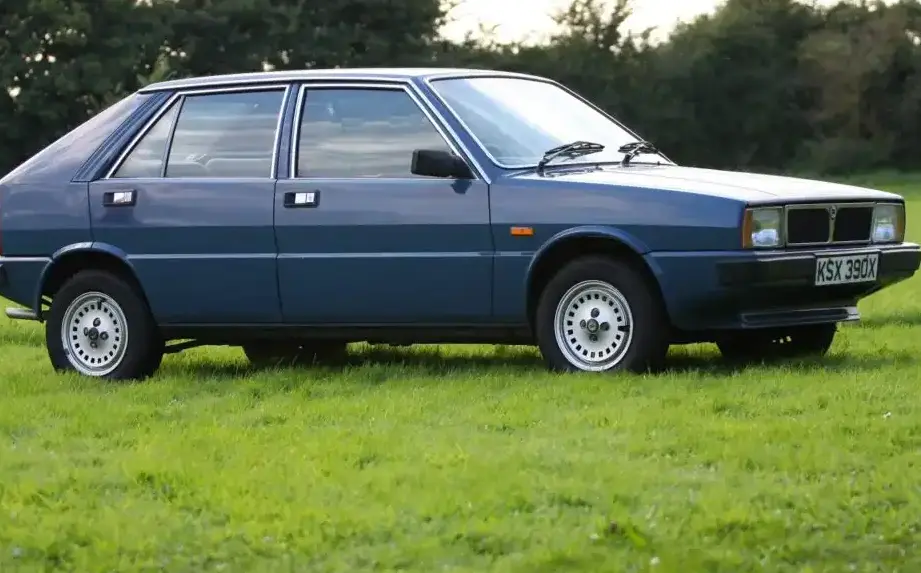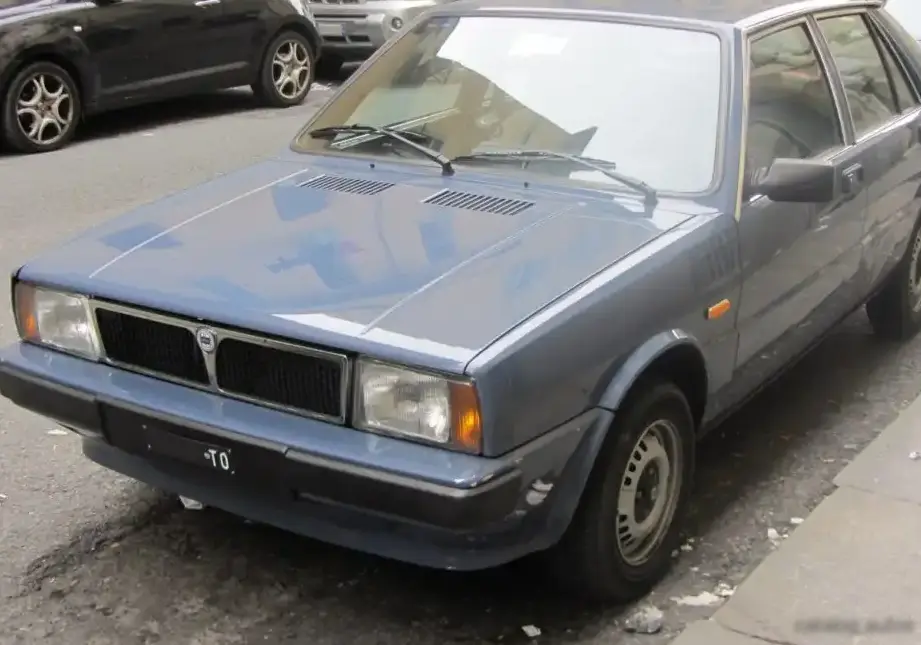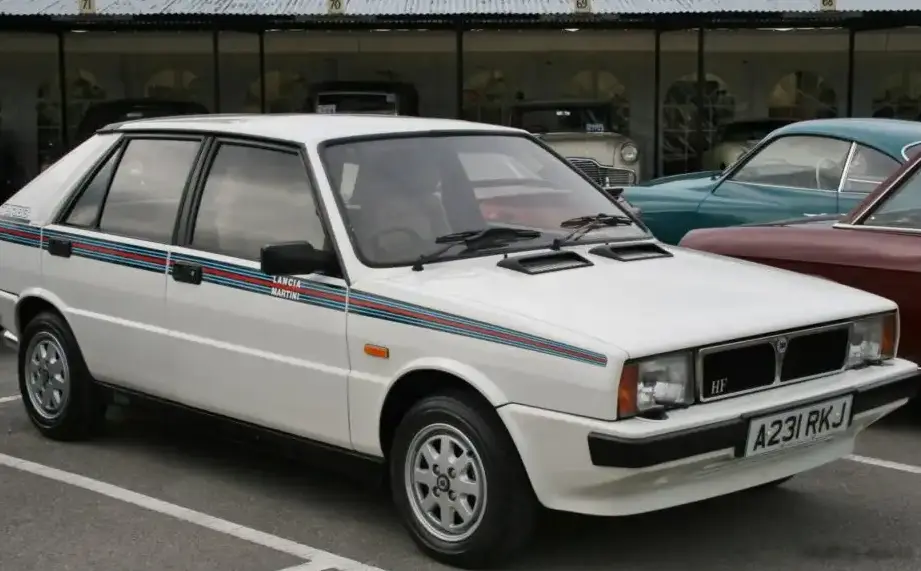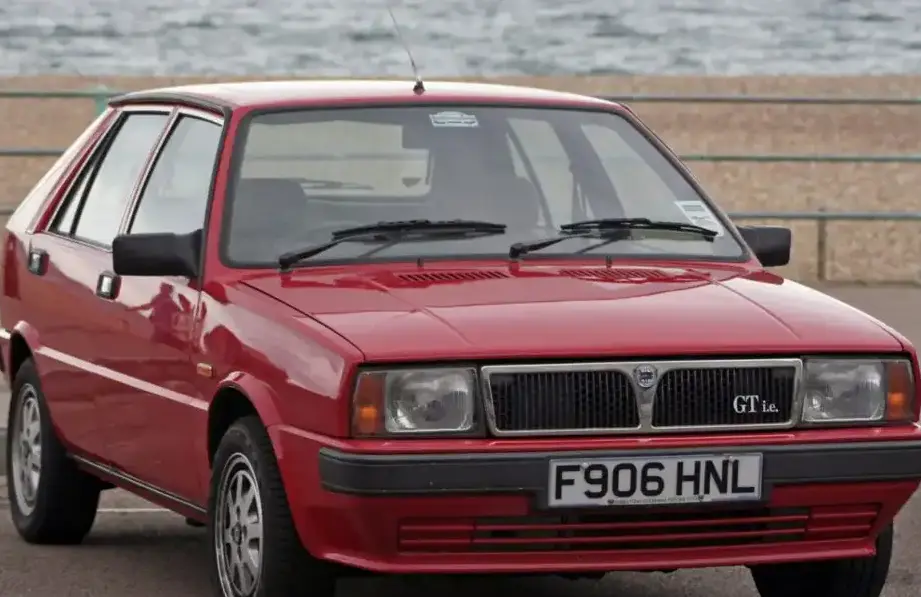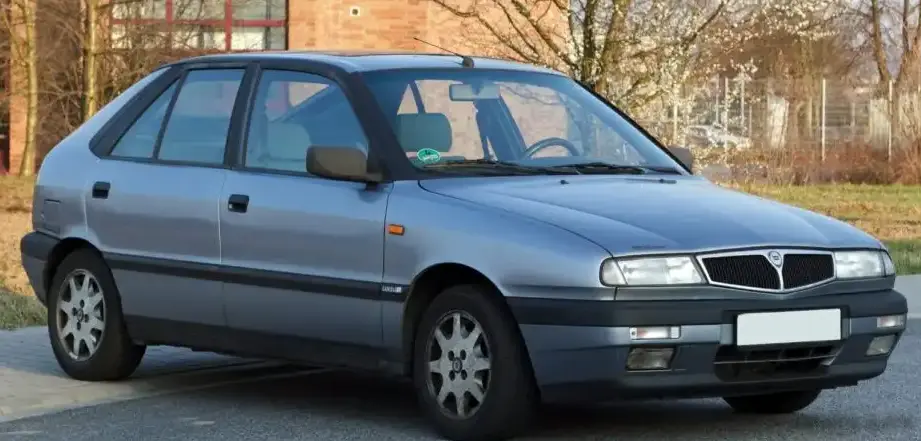
The Lancia Delta II (836) 1.8 i.e. 16V, produced between 1996 and 1998, represents a mid-cycle update to the second generation Delta. Launched in 1993, the 836 series aimed to modernize the Delta while retaining its core values of practicality and comfort. This 1.8L 16-valve variant occupied a middle ground in the Delta II lineup, offering a balance between performance and affordability, positioned above the base 1.6L models and below the more potent 2.0L versions. It was primarily sold within European markets, continuing Lancia’s tradition of front-wheel-drive hatchbacks with a focus on passenger comfort and a slightly more sophisticated driving experience than some of its competitors.
Technical Specifications
| Brand | Lancia |
| Model | Delta |
| Generation | Delta II (836) |
| Type (Engine) | 1.8 i.e. 16V (113 Hp) |
| Start of production | 1996 |
| End of production | 1998 |
| Powertrain Architecture | Internal Combustion engine |
| Body type | Hatchback |
| Fuel Type | Petrol (Gasoline) |
| Power | 113 Hp |
| Engine Model/Code | 182 A2.000 |
| Engine aspiration | Naturally aspirated engine |
| Engine oil capacity | 4.3 l (4.54 US qt | 3.78 UK qt) |
| Coolant capacity | 6.7 l (7.08 US qt | 5.9 UK qt) |
Powertrain & Engine Architecture
The heart of the Delta II 1.8 i.e. 16V is the 182 A2.000 engine, an 1749cc inline-four cylinder powerplant. This engine is a naturally aspirated unit featuring a 16-valve cylinder head – four valves per cylinder – which contributes to its improved breathing and higher power output compared to the 8-valve versions. The engine utilizes a Bosch Motronic MP7.1 fuel injection system, managing fuel delivery and ignition timing for optimal performance and emissions control. The 16-valve configuration, combined with a relatively high compression ratio (typically around 9.5:1), allows the engine to produce 113 horsepower at 5500 rpm and approximately 137 lb-ft of torque at 4000 rpm. The engine’s valvetrain employs double overhead camshafts (DOHC), further enhancing its volumetric efficiency.
The 1.8L engine was typically paired with a four-speed automatic transmission. This transmission, while providing convenience, was not known for its sportiness or particularly quick shifts. It was geared more towards smooth operation and fuel efficiency. Manual transmission options were also available on other Delta II trims, offering a more engaging driving experience, but the automatic was a popular choice for buyers prioritizing comfort.
Driving Characteristics
The Delta II 1.8 i.e. 16V with the automatic transmission delivers a comfortable, if not particularly exhilarating, driving experience. Acceleration from 0 to 60 mph is estimated to be around 11-12 seconds, making it competitive with other similarly sized and powered hatchbacks of the era. The automatic transmission’s gear ratios are optimized for everyday driving, providing adequate power for merging onto highways and navigating city streets. However, the transmission can feel somewhat sluggish when attempting quicker maneuvers or overtaking. Compared to the manual transmission versions, the automatic sacrifices some responsiveness. The 1.8L engine provides sufficient torque for most driving situations, but it lacks the punch of the 2.0L models. The Delta II’s suspension, tuned for comfort, absorbs bumps and imperfections in the road well, contributing to a smooth ride. Steering is light and precise, making it easy to maneuver in tight spaces.
Equipment & Trim Levels
The 1.8 i.e. 16V trim generally included features such as power windows, central locking, power steering, and an adjustable steering column as standard equipment. Interior upholstery typically consisted of cloth seats, although leather options were available as an upgrade. The dashboard layout was functional and straightforward, with clearly labeled controls. Air conditioning was a common option, as were features like an upgraded audio system and alloy wheels. Higher-spec versions of the 1.8 i.e. 16V might have included features like a sunroof, rear headrests, and more premium interior trim materials. The Delta II offered a relatively generous amount of interior space for its size, making it a practical choice for families.
Chassis & Braking
The Delta II 836 utilizes a front-wheel-drive layout with an independent suspension system at the front, typically employing MacPherson struts. The rear suspension varies depending on the specific model year and trim level, but often features a torsion beam setup. Braking systems generally consisted of front disc brakes and rear drum brakes, although some higher-spec models were equipped with rear disc brakes. Anti-lock Braking System (ABS) was available as an option, enhancing braking performance and safety. Stabilizer bars were fitted to both the front and rear axles to reduce body roll during cornering. The chassis was designed to provide a balance between comfort and handling, prioritizing ride quality over outright sportiness.
Market Reception & Comparison
The Lancia Delta II 1.8 i.e. 16V was generally well-received by automotive critics as a comfortable and practical hatchback. It was praised for its spacious interior, comfortable ride, and relatively refined engine. However, the automatic transmission was often criticized for its lack of responsiveness. Compared to the 1.6L models, the 1.8L offered a noticeable improvement in performance, while remaining more affordable than the 2.0L versions. Fuel economy was reasonable for the time, averaging around 28-32 mpg on the combined cycle. Reliability was generally good, although some owners reported issues with the electrical system and the automatic transmission. Competitors in the same segment included the Volkswagen Golf, Ford Escort, and Opel Astra.
Legacy
The Lancia Delta II, including the 1.8 i.e. 16V variant, holds a nostalgic place in the hearts of many European car enthusiasts. While not as iconic as the original Delta Integrale, the 836 series represented a continued effort by Lancia to produce stylish and practical hatchbacks. Today, the Delta II 1.8 i.e. 16V is becoming increasingly sought after by collectors and enthusiasts, particularly those looking for a well-maintained example. The 182 A2.000 engine is generally considered to be a reliable unit, although regular maintenance is essential to prevent issues. Parts availability can be a challenge, as the Delta II is now an older vehicle. However, a dedicated community of Lancia enthusiasts continues to support the preservation and restoration of these classic hatchbacks. The automatic transmission, while not a performance highlight, remains a relatively durable component when properly maintained.