
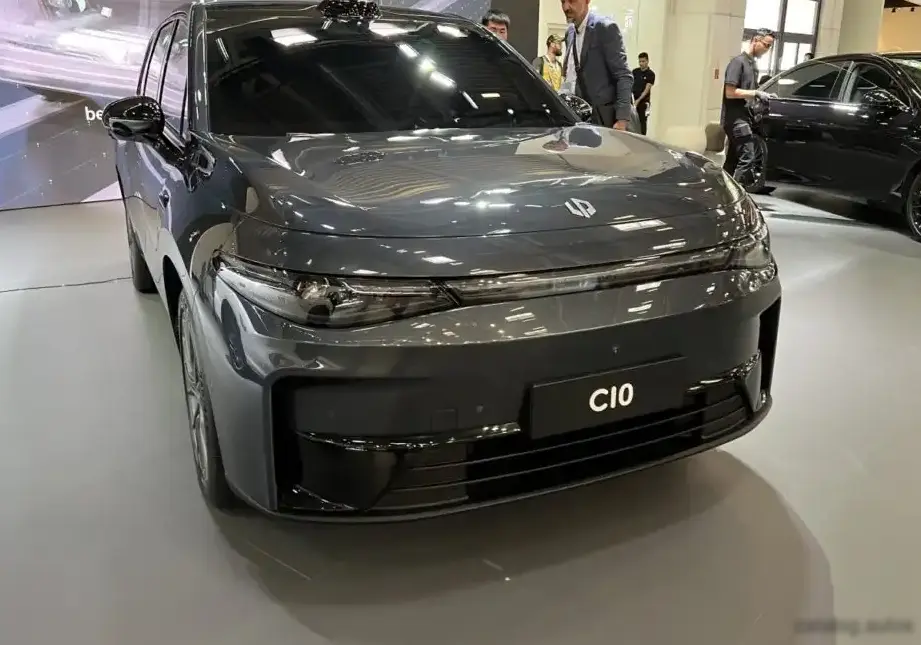
The Leapmotor C10, equipped with a 74.9 kWh battery and delivering 299 horsepower, represents a significant entry into the burgeoning electric SUV market. Production commenced in May 2025, positioning the C10 as a key model in Leapmotor’s expanding lineup. This variant is designed to offer a balance of range, performance, and technology, targeting consumers seeking a modern and efficient electric vehicle. The C10 is built on a dedicated electric vehicle platform, emphasizing space optimization and battery integration. It’s a five-seater, five-door SUV intended for both urban and highway driving.
Technical Specifications
| Brand | Leapmotor |
| Model | C10 |
| Generation | C10 |
| Type (Engine) | 74.9 kWh (299 Hp) BEV |
| Start of production | May, 2025 |
| Powertrain Architecture | BEV (Electric Vehicle) |
| Body type | SUV |
| Seats | 5 |
| Doors | 5 |
| Fuel Type | Electricity |
| Acceleration 0 – 100 km/h | 5.9 sec |
| Acceleration 0 – 62 mph | 5.9 sec |
| Acceleration 0 – 60 mph | 5.6 sec |
| Maximum speed | 190 km/h (118.06 mph) |
| Weight-to-power ratio | 6.7 kg/Hp, 149.9 Hp/tonne |
| Weight-to-torque ratio | 5.5 kg/Nm, 180.5 Nm/tonne |
| Gross battery capacity | 74.9 kWh |
| Battery voltage | 800 V |
| Battery technology | Lithium iron phosphate (LiFePO4) |
| Battery location | Below the floor |
| All-electric range (CLTC) | 605 km (375.93 mi) |
| Electric motor power | 299 Hp |
| Electric motor Torque | 360 Nm (265.52 lb.-ft.) |
| Electric motor location | Rear axle, Transverse |
| Electric motor type | Synchronous |
| System power | 299 Hp |
| System torque | 360 Nm (265.52 lb.-ft.) |
| Kerb Weight | 1995 kg (4398.22 lbs.) |
| Trunk (boot) space – minimum | 370 l (13.07 cu. ft.) |
| Trunk (boot) space – maximum | 835 l (29.49 cu. ft.) |
| Length | 4739 mm (186.57 in.) |
| Width | 1900 mm (74.8 in.) |
| Height | 1680 mm (66.14 in.) |
| Wheelbase | 2825 mm (111.22 in.) |
| Drivetrain Architecture | One electric motor drives the rear wheels. |
| Drive wheel | Rear wheel drive |
| Number of gears and type of gearbox | 1 gears, automatic transmission |
| Front suspension | Independent type McPherson |
| Rear suspension | Independent multi-link suspension |
| Front brakes | Ventilated discs |
| Rear brakes | Ventilated discs |
| Assisting systems | ABS (Anti-lock braking system) |
| Steering type | Steering rack and pinion |
| Power steering | Electric Steering |
| Tires size | 235/55 R18; 245/45 R20 |
| Wheel rims size | 18; 20 |
Powertrain & Engine Architecture
The Leapmotor C10 utilizes a single, rear-mounted synchronous electric motor producing 299 horsepower and 360 Nm (265.52 lb.-ft.) of torque. The powertrain is built around a 74.9 kWh Lithium Iron Phosphate (LiFePO4) battery pack, operating at a high 800V architecture. This high-voltage system allows for faster charging times and improved energy efficiency. The battery is positioned under the floor of the vehicle, contributing to a lower center of gravity and improved handling. The single-speed automatic transmission is a direct-drive system, typical of electric vehicles, maximizing efficiency and providing instant torque delivery. The use of LiFePO4 chemistry prioritizes thermal stability and longevity over the higher energy density of Nickel Manganese Cobalt (NMC) batteries, potentially offering a longer lifespan.
Driving Characteristics
The C10’s rear-wheel-drive configuration and instant torque delivery from the electric motor result in brisk acceleration. The 0-60 mph time of 5.6 seconds is competitive within its segment. The single-speed transmission provides seamless acceleration, without the gear changes associated with internal combustion engines. While the rear-wheel-drive setup offers a more engaging driving experience than front-wheel-drive alternatives, it may require some adjustment for drivers accustomed to traditional vehicles, particularly in low-traction conditions. The relatively low curb weight of 1995 kg (4398.22 lbs.) contributes to agile handling. The suspension tuning aims for a balance between comfort and control, suitable for both city driving and longer highway journeys.
Equipment & Trim Levels
Specific trim levels and standard equipment for the C10 may vary depending on the market. However, the base model is expected to include features such as a large touchscreen infotainment system, digital instrument cluster, automatic climate control, and a suite of advanced driver-assistance systems (ADAS). Higher trim levels are likely to offer premium interior materials, upgraded audio systems, panoramic sunroofs, and more sophisticated ADAS features. The interior design emphasizes a minimalist aesthetic with a focus on technology integration. Available options may include leather upholstery, heated and ventilated seats, and advanced parking assistance systems.
Chassis & Braking
The Leapmotor C10 features an independent McPherson strut suspension at the front and an independent multi-link suspension at the rear. This configuration provides a comfortable ride and good handling characteristics. Ventilated disc brakes are used on all four wheels, providing ample stopping power. The inclusion of ABS (Anti-lock Braking System) enhances safety and control during emergency braking situations. The electric steering system offers precise and responsive steering feel. Tire sizes range from 235/55 R18 to 245/45 R20, depending on the trim level, influencing both grip and ride comfort.
Market Reception & Comparison
As a relatively new entrant to the market, the Leapmotor C10 faces competition from established electric SUV models such as the Tesla Model Y, Hyundai IONIQ 5, and Kia EV6. The C10 aims to differentiate itself through a competitive price point, a spacious interior, and a focus on technology. Early reviews suggest that the C10 offers a compelling combination of range, performance, and features for its price. The LiFePO4 battery chemistry may appeal to buyers prioritizing longevity and thermal stability. Fuel economy, expressed as energy consumption, is a key metric for electric vehicles, and the C10’s CLTC range of 605 km (375.93 mi) positions it favorably against some competitors.
Legacy
The long-term reliability of the Leapmotor C10’s powertrain remains to be seen, as it is a relatively new model. However, the use of LiFePO4 battery technology is generally associated with good cycle life and thermal stability. The simplicity of the electric powertrain, with fewer moving parts than an internal combustion engine, suggests the potential for lower maintenance costs. As the electric vehicle market continues to evolve, the C10 represents a step towards more affordable and accessible electric mobility. Its success will depend on Leapmotor’s ability to establish a strong brand reputation and provide reliable customer support.
