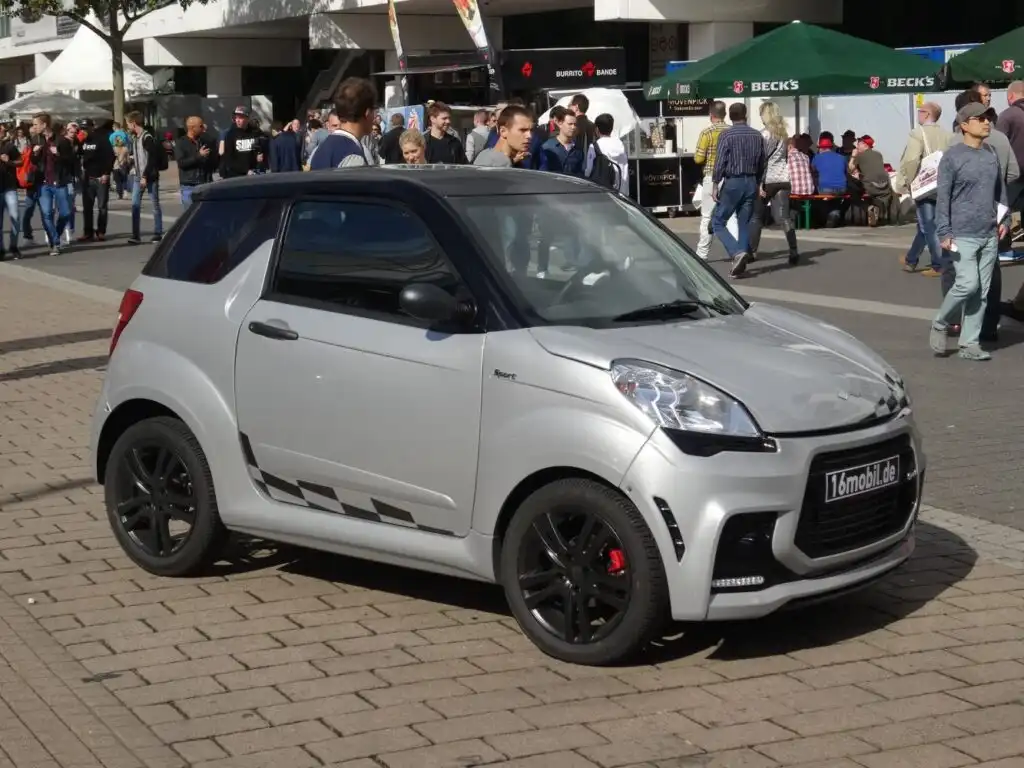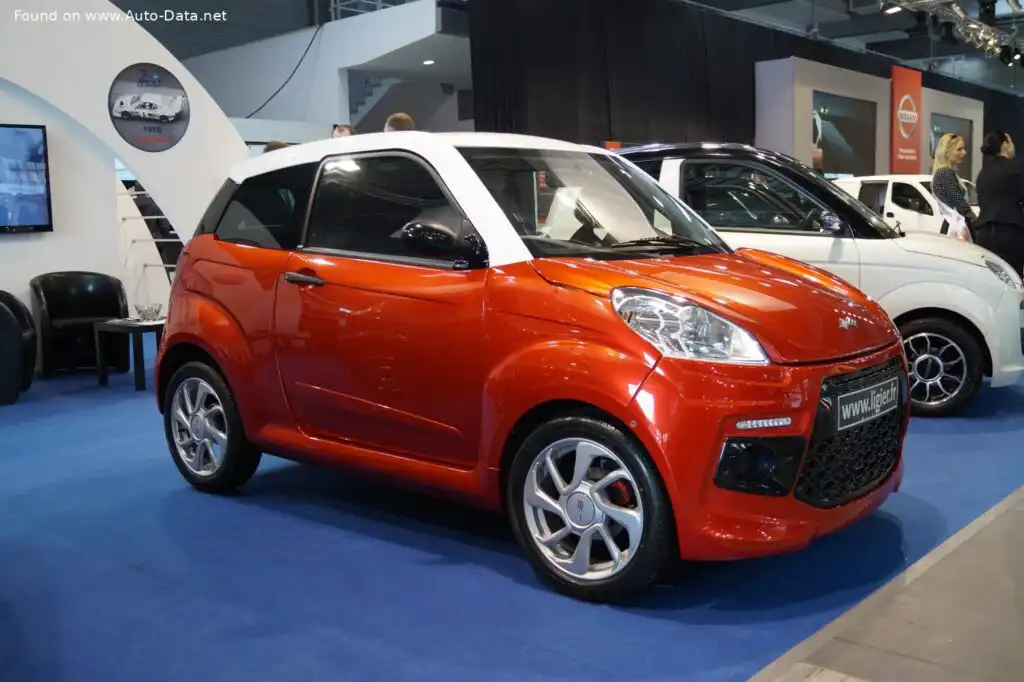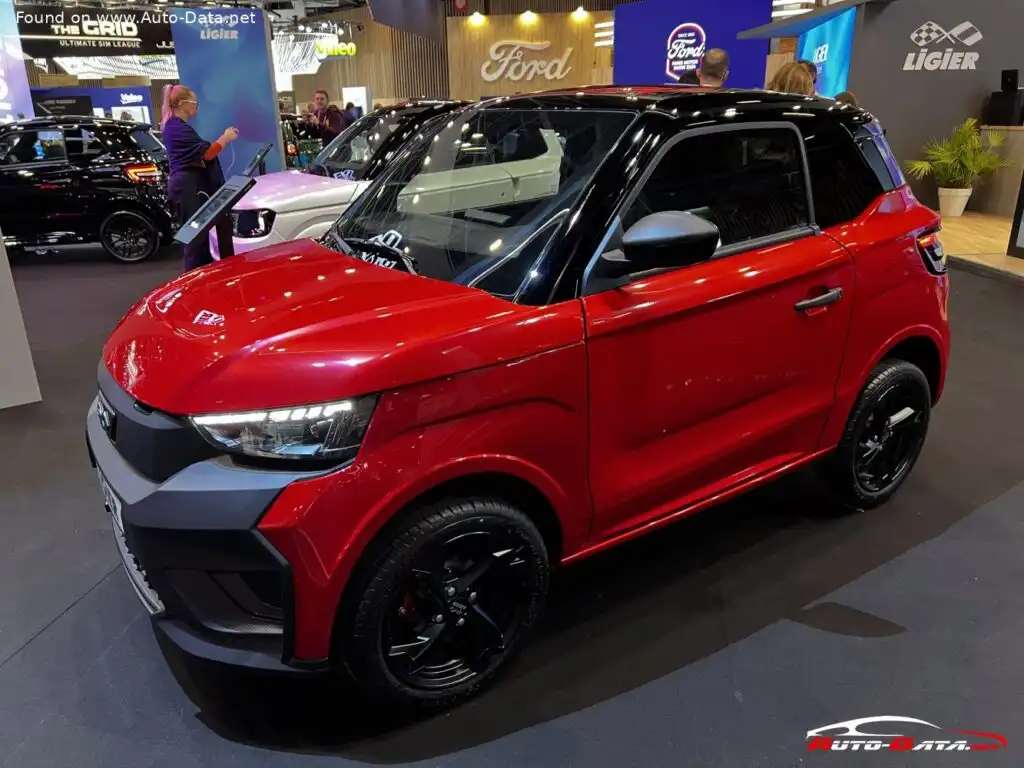
The Ligier JS50 I (facelift 2017) Long 0.5 DCI with a continuously variable transmission (CVT) represents a unique niche within the microcar segment. Produced from 2017 to 2019, this variant of the JS50 was designed to meet the specific regulatory requirements for quadricycles, primarily in European markets. It offered a cost-effective and fuel-efficient transportation solution for urban environments, particularly appealing to younger drivers or those seeking an alternative to traditional automobiles for short-distance commutes. The “Long” designation indicates an extended wheelbase version of the JS50, providing slightly more interior space and cargo capacity compared to the standard model.
Technical Specifications
| Brand | Ligier |
| Model | JS50 |
| Generation | JS50 I (facelift 2017) Long |
| Type (Engine) | 0.5 DCI (5 Hp) CVT |
| Start of production | 2017 |
| End of production | 2019 |
| Powertrain Architecture | Internal Combustion engine |
| Body type | Quadricycle |
| Seats | 2 |
| Doors | 3 |
| Fuel consumption (combined) | 2.5 l/100 km (94.1 US mpg, 113 UK mpg, 40 km/l) |
| CO2 emissions | 65 g/km |
| Fuel Type | Diesel |
| Maximum speed | 45 km/h (27.96 mph) |
| Weight-to-power ratio | 70 kg/Hp, 14.3 Hp/tonne |
| Weight-to-torque ratio | 13.5 kg/Nm, 74.3 Nm/tonne |
| Power | 5 Hp @ 3200 rpm |
| Power per litre | 10.4 Hp/l |
| Torque | 26 Nm @ 1400 rpm (19.18 lb.-ft. @ 1400 rpm) |
| Maximum engine speed | 3200 rpm |
| Engine layout | Front, Transverse |
| Engine Model/Code | LDW492DCI |
| Engine displacement | 480 cm3 (29.29 cu. in.) |
| Number of cylinders | 2 |
| Engine configuration | Inline |
| Cylinder Bore | 69 mm (2.72 in.) |
| Piston Stroke | 64 mm (2.52 in.) |
| Number of valves per cylinder | 2 |
| Fuel injection system | Diesel Commonrail |
| Engine aspiration | Naturally aspirated engine |
| Valvetrain | SOHC |
| Engine oil capacity | 2.1 l (2.22 US qt | 1.85 UK qt) |
| Coolant | 3.1 l (3.28 US qt | 2.73 UK qt) |
| Kerb Weight | 350 kg (771.62 lbs.) |
| Fuel tank capacity | 17.5 l (4.62 US gal | 3.85 UK gal) |
| Length | 3000 mm (118.11 in.) |
| Width | 1500 mm (59.06 in.) |
| Height | 1467 mm (57.76 in.) |
| Minimum turning circle | 9.5 m (31.17 ft.) |
| Drivetrain Architecture | The Internal combustion engine (ICE) drives the front wheels of the vehicle. |
| Drive wheel | Front wheel drive |
| Number of gears and type of gearbox | automatic transmission CVT |
| Front suspension | Independent type McPherson |
| Rear suspension | Independent coil spring |
| Front brakes | Disc, 180 mm |
| Rear brakes | Disc, 180 mm |
| Steering type | Steering rack and pinion |
| Tires size | 155/60 R15 |
| Wheel rims size | 15 |
Powertrain & Engine Architecture
The heart of the JS50 I 0.5 DCI is the LDW492DCI engine, a small-displacement, two-cylinder diesel engine. This engine, sourced from a specialized manufacturer, is characterized by its simplicity and focus on fuel efficiency. It utilizes a diesel commonrail fuel injection system, which allows for precise fuel delivery and optimized combustion. The engine features a single overhead camshaft (SOHC) valvetrain, operating two valves per cylinder. Despite its diminutive size, the engine is turbocharged to produce a modest 5 horsepower at 3200 rpm and 26 Nm (19.18 lb.-ft.) of torque at 1400 rpm. This torque peak, relatively low in the rev range, is crucial for providing adequate acceleration and driveability in urban conditions. The engine is paired with a continuously variable transmission (CVT), which further enhances fuel economy by keeping the engine operating within its most efficient range. The CVT lacks discrete gear ratios, providing a seamless and stepless power delivery.
Driving Characteristics
The driving experience in the JS50 I 0.5 DCI CVT is defined by its limited power and focus on practicality. Acceleration is understandably slow, and the vehicle is best suited for city driving at lower speeds. The CVT contributes to a smooth, albeit somewhat uninspiring, driving experience. The lack of traditional gear changes can feel unusual to drivers accustomed to conventional transmissions. The low-end torque of the diesel engine provides sufficient power for navigating urban traffic, but overtaking maneuvers require careful planning. The vehicle’s lightweight construction (350 kg / 771.62 lbs) helps to mitigate the effects of the low horsepower output. Compared to potential gasoline-powered variants, the diesel engine offers superior fuel economy and a more relaxed driving experience at constant speeds.
Equipment & Trim Levels
The JS50 I (facelift 2017) Long 0.5 DCI CVT was typically offered with a relatively basic level of equipment, reflecting its position as an entry-level microcar. Standard features generally included basic instrumentation, manually adjustable seats, and a heating system. Safety features were limited, often consisting of seatbelts and a basic braking system. Optional extras could include power windows, a radio/CD player, and upgraded interior trim. The interior materials were typically durable and practical, prioritizing functionality over luxury. The “Long” version offered slightly more rear passenger legroom and cargo space compared to the standard JS50.
Chassis & Braking
The JS50 I features a lightweight chassis designed to maximize efficiency. The front suspension utilizes an independent McPherson strut setup, while the rear suspension employs an independent coil spring arrangement. This configuration provides a reasonable level of ride comfort, considering the vehicle’s size and weight. The braking system consists of disc brakes on all four wheels, measuring 180 mm in diameter. While adequate for the vehicle’s performance capabilities, the braking system is not particularly powerful. The steering is rack and pinion, providing reasonably precise control. The vehicle rides on 15-inch wheels with 155/60 R15 tires.
Market Reception & Comparison
The Ligier JS50 I 0.5 DCI CVT received mixed reviews. Critics praised its exceptional fuel economy and low running costs, but criticized its limited performance and basic equipment levels. It was often compared to other microcars and quadricycles available in the European market, such as the Aixam and Chatenet. The JS50 offered a competitive price point and a relatively spacious interior for its class. However, its diesel engine was becoming increasingly scrutinized due to tightening emissions regulations. Compared to higher-powered variants of the JS50, the 0.5 DCI CVT offered significantly lower performance but superior fuel efficiency.
Legacy
The Ligier JS50 I 0.5 DCI CVT represents a specific response to the demand for affordable and fuel-efficient urban transportation. While its limited power and basic features may not appeal to all drivers, it provided a viable solution for those seeking a cost-effective and environmentally friendly alternative to traditional automobiles. On the used car market, these vehicles are generally affordable and relatively easy to maintain, although finding replacement parts may become increasingly challenging as the model ages. The LDW492DCI engine, while robust, requires regular maintenance to ensure long-term reliability. The JS50 I continues to be a recognizable sight on European city streets, serving as a testament to its practicality and enduring appeal.