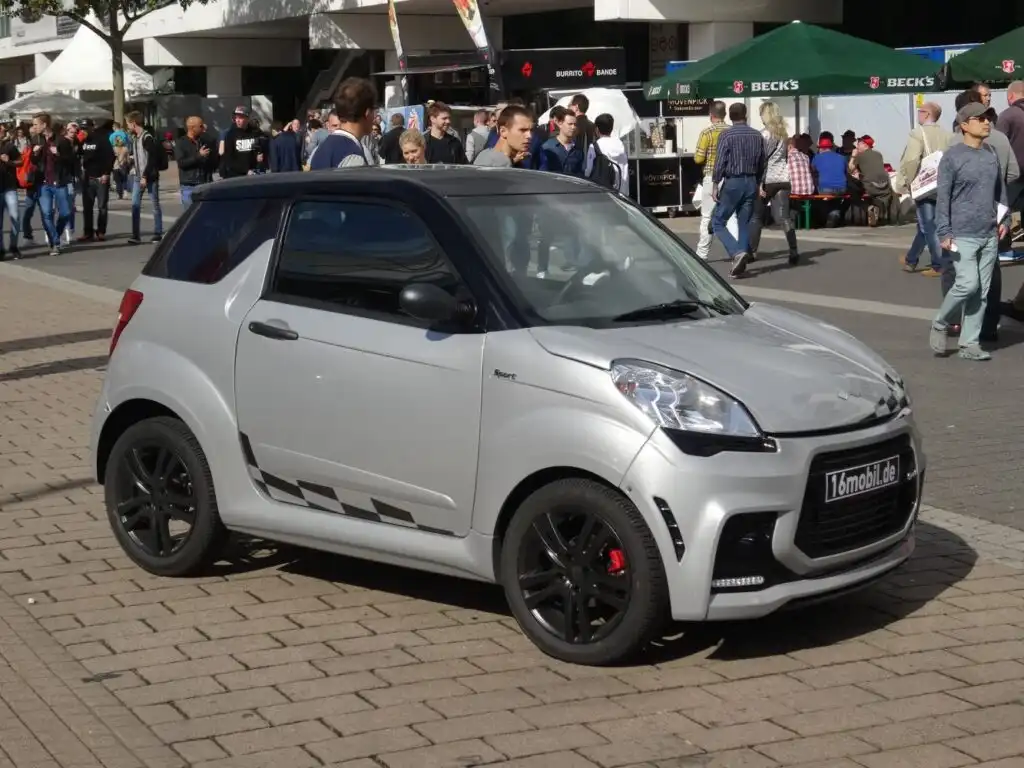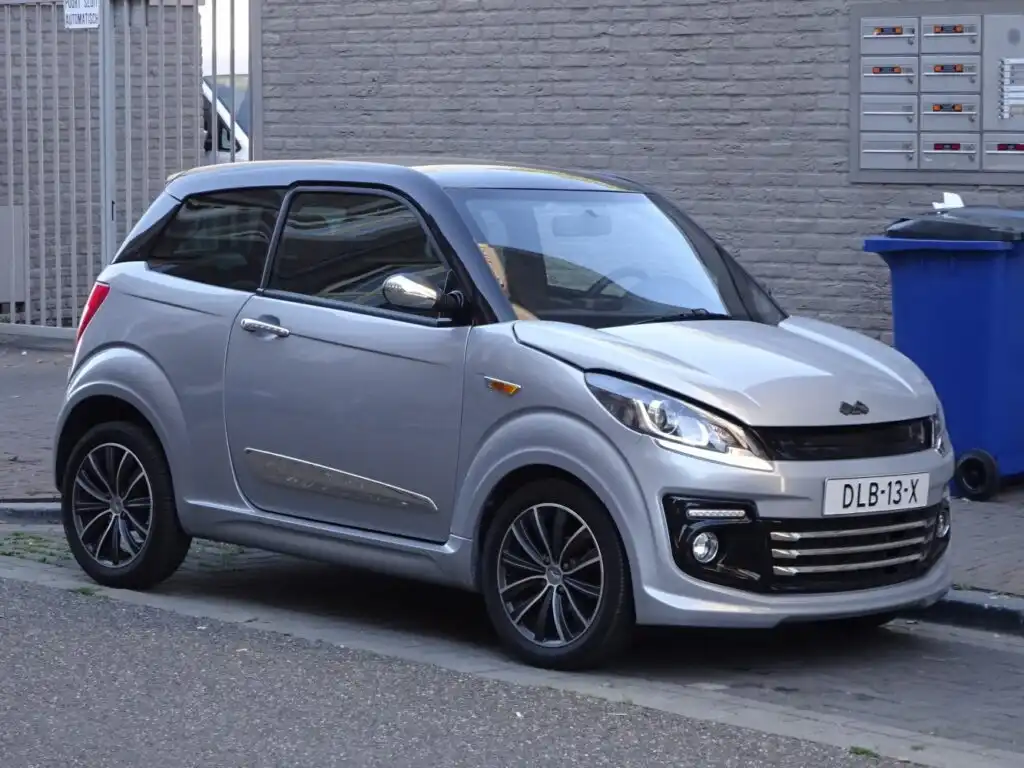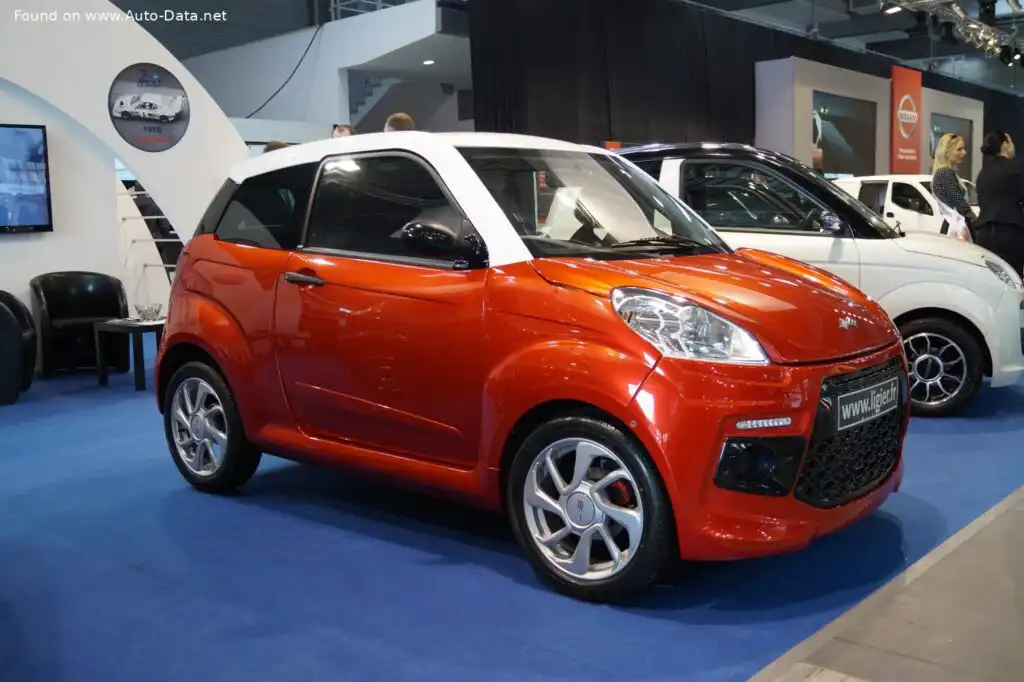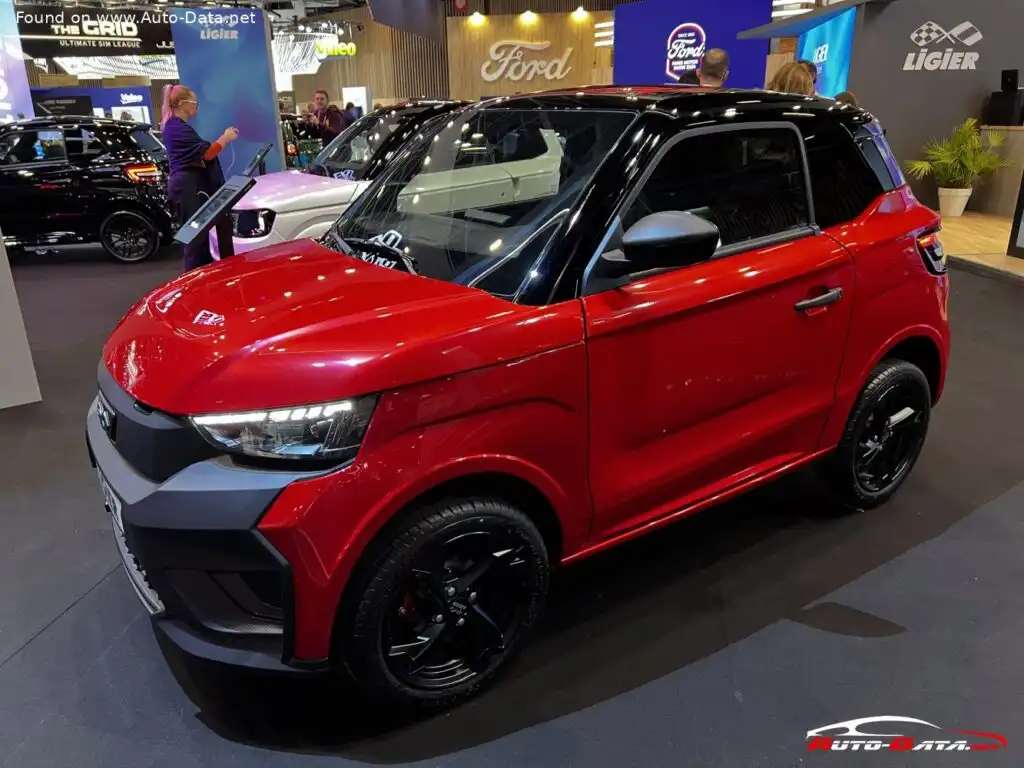
The Ligier JS50 II 8.28 kWh (8 hp) Electric is a compact, two-seat quadricycle introduced in October 2024 by French manufacturer Ligier. Representing a significant step towards micro-mobility solutions, this variant is designed for urban environments, offering a fully electric powertrain within the constraints of European quadricycle regulations. It’s positioned as an entry-level electric vehicle, aimed at short-distance commuting and city driving. The JS50 II builds upon the foundation of the original JS50, incorporating updated battery technology and a focus on practicality and affordability.
Technical Specifications
| Brand | Ligier |
| Model | JS50 |
| Generation | JS50 II |
| Type (Engine) | 8.28 kWh (8 hp) Electric |
| Start of production | October, 2024 |
| Powertrain Architecture | BEV (Electric Vehicle) |
| Body type | Quadricycle |
| Seats | 2 |
| Doors | 3 |
| Fuel Type | Electricity |
| Maximum speed | 45 km/h (27.96 mph) |
| Weight-to-power ratio | 47.9 kg/hp, 20.9 hp/tonne |
| Weight-to-torque ratio | 38.3 kg/Nm, 26.1 Nm/tonne |
| Gross battery capacity | 8.28 kWh |
| Battery technology | Lithium-ion (Li-Ion) |
| Battery location | Below the floor |
| All-electric range | 123 km (76.43 mi) |
| Electric motor power | 8 hp @ 5000 rpm |
| Electric motor Torque | 10 Nm @ 5000 rpm (7.38 lb.-ft. @ 5000 rpm) |
| Electric motor location | Front axle, Transverse |
| Electric motor type | Synchronous |
| System power | 8 hp @ 5000 rpm |
| System torque | 10 Nm @ 5000 rpm (7.38 lb.-ft. @ 5000 rpm) |
| Kerb Weight | 383 kg (844.37 lbs) |
| Trunk (boot) space – minimum | 319 l (11.27 cu. ft) |
| Length | 2972 mm (117.01 in) |
| Width | 1499 mm (59.02 in) |
| Height | 1503 mm (59.17 in) |
| Minimum turning circle | 8.7 m (28.54 ft) |
| Drivetrain Architecture | One electric motor drives the front wheels |
| Drive wheel | Front wheel drive |
| Number of gears | 1 |
| Gearbox type | Automatic transmission |
| Front brakes | Disc, 220 mm |
| Rear brakes | Disc, 180 mm |
| Steering type | Steering rack and pinion |
| Tires size | 155/65 R14; 155/60 R15; 165/50 R16 |
| Wheel rims size | 14; 15; 16 |
Powertrain & Engine Architecture
The Ligier JS50 II 8.28 kWh Electric utilizes a fully electric powertrain, classified as a Battery Electric Vehicle (BEV). The heart of the system is an 8.28 kWh lithium-ion battery pack, strategically positioned beneath the floor of the vehicle to optimize weight distribution and maximize interior space. This battery powers a synchronous electric motor, delivering a peak output of 8 horsepower at 5000 rpm and 10 Nm (7.38 lb-ft) of torque, also at 5000 rpm. The motor is transversely mounted on the front axle, driving the front wheels. The single-speed automatic transmission simplifies operation, providing seamless acceleration within the vehicle’s limited speed range. The charging port specifications are not widely publicized, but it is expected to support standard charging methods for small electric vehicles.
Driving Characteristics
Given its modest 8 hp output, the JS50 II Electric is not designed for high-speed performance. Its primary focus is on efficient and convenient urban mobility. Acceleration is predictably slow, but adequate for navigating city streets and avoiding heavier traffic. The single-speed automatic transmission contributes to a smooth and effortless driving experience, eliminating the need for gear changes. The maximum speed is limited to 45 km/h (27.96 mph), aligning with European quadricycle regulations. Compared to potential future higher-powered variants, this 8 hp version prioritizes range and affordability over outright performance. The relatively low weight of 383 kg (844.37 lbs) helps to mitigate the impact of the limited power output, providing a reasonably responsive driving experience within its intended operating parameters.
Equipment & Trim Levels
The JS50 II 8.28 kWh Electric is generally offered with a fairly basic level of standard equipment, reflecting its position as an entry-level vehicle. Standard features typically include basic instrumentation, comfortable seating for two, and a functional interior layout. The three-door body style provides relatively easy access to the cabin. Trunk space is a respectable 319 liters (11.27 cu. ft) for a vehicle of this size. Optional extras may include upgraded interior trim materials, a basic audio system, and potentially, enhanced safety features. The trim level is largely standardized, with limited customization options available.
Chassis & Braking
The JS50 II utilizes a relatively simple chassis design, optimized for lightweight construction and maneuverability. The suspension system consists of independent suspension on all wheels, providing a comfortable ride quality, especially considering the vehicle’s size and weight. The braking system features disc brakes on both the front (220 mm) and rear (180 mm) axles, offering adequate stopping power for its intended use. Steering is provided by a rack and pinion system, ensuring precise and responsive handling. Available tire sizes range from 155/65 R14 to 165/50 R16, depending on the wheel rim size (14, 15, or 16 inches).
Market Reception & Comparison
The Ligier JS50 II 8.28 kWh Electric has been generally well-received as a practical and affordable solution for urban micro-mobility. Critics have praised its compact size, ease of use, and zero-emission operation. However, its limited speed and power output have also been noted. Compared to other quadricycles and small electric vehicles in the market, the JS50 II offers a competitive price point and a decent range of 123 km (76.43 mi) on a single charge. Its fuel economy, being fully electric, is significantly better than that of gasoline-powered alternatives. Reliability is expected to be good, given the simplicity of the electric powertrain, but long-term data is still emerging.
Legacy
The Ligier JS50 II 8.28 kWh Electric represents a growing trend towards smaller, more sustainable urban transportation solutions. While it may not be a high-performance vehicle, its focus on practicality, affordability, and environmental responsibility positions it as a significant player in the evolving landscape of micro-mobility. The long-term reliability of the powertrain is anticipated to be strong, as electric motors generally require less maintenance than internal combustion engines. As cities increasingly prioritize sustainable transportation options, the JS50 II and similar vehicles are likely to become more prevalent on urban streets. The used car market for this model is still developing, but early indications suggest that well-maintained examples will hold their value reasonably well, particularly as demand for electric vehicles continues to grow.