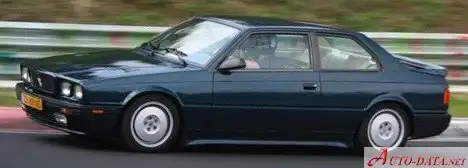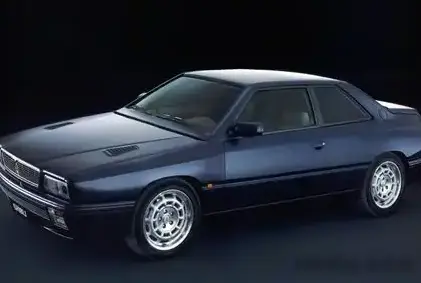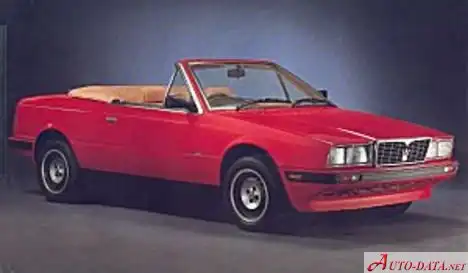
The Maserati Biturbo Spyder 2.0, produced between 1985 and 1987, represented a bold step for the Italian manufacturer into the realm of accessible luxury sports cars. Part of the broader Biturbo family, the Spyder distinguished itself as the convertible variant, aiming to capture a segment of the market seeking open-air performance and Italian styling. It was built upon the Tipo AM333 chassis, a platform that would underpin several Biturbo models, and represented Maserati’s attempt to revitalize its brand image and sales figures in the mid-1980s. The 2.0-liter, 184 horsepower engine configuration was positioned as a sweet spot within the Biturbo range, offering a balance between performance and relative affordability compared to the higher-output versions.
Technical Specifications
| Brand | Maserati |
| Model | Biturbo |
| Generation | Biturbo Spyder |
| Type (Engine) | 2.0 (184 Hp) |
| Start of production | 1985 |
| End of production | 1987 |
| Powertrain Architecture | Internal Combustion engine |
| Body type | Cabriolet |
| Fuel Type | Petrol (Gasoline) |
| Acceleration 0 – 100 km/h | 6.5 sec |
| Acceleration 0 – 62 mph | 6.5 sec |
| Acceleration 0 – 60 mph | 6.2 sec |
| Power | 184 Hp |
| Engine Model/Code | AM333 |
| Engine aspiration | Naturally aspirated engine |
| Engine oil capacity | 6 l (6.34 US qt | 5.28 UK qt) |
| Coolant capacity | 8.5 l (8.98 US qt | 7.48 UK qt) |
Powertrain & Engine Architecture
The heart of the Biturbo Spyder 2.0 was the AM333 engine, a 1996cc, twin-turbocharged, 90-degree V6. This engine was a significant departure for Maserati, representing a move towards smaller displacement, forced-induction engines. While the “2.0” designation refers to the engine’s displacement, the twin turbochargers were crucial to achieving the 184 horsepower output. The engine utilized a Bosch fuel injection system, carefully calibrated to manage the increased air intake from the turbochargers. The valvetrain employed two valves per cylinder, a relatively conservative design choice that prioritized reliability and ease of maintenance. The engine was transversely mounted, a layout uncommon for Maserati at the time, and was paired with a three-speed automatic transmission. This automatic, while offering convenience, was often criticized for its relatively slow and somewhat imprecise shifts compared to the available five-speed manual.
Driving Characteristics
The 184 hp and automatic transmission combination in the Biturbo Spyder 2.0 delivered a driving experience that was more grand touring than outright sports car. Acceleration to 60 mph in around 6.2 seconds was respectable for the era, but noticeably slower than the manual transmission equipped models or the higher-output 2.5-liter and 2.8-liter variants. The automatic transmission’s gear ratios were geared towards comfortable cruising, resulting in a less engaging driving experience for enthusiasts. Turbo lag was present, though mitigated by the twin-turbo setup, providing a surge of power once the boost built. The Spyder’s convertible top added weight, impacting handling slightly compared to the coupe versions, but the overall chassis remained relatively well-balanced. The steering was direct, providing good feedback, and the suspension offered a comfortable ride without being overly soft.
Equipment & Trim Levels
The Biturbo Spyder 2.0 was positioned as a relatively well-equipped vehicle, though options were plentiful. Standard features typically included leather upholstery, power windows, power steering, and air conditioning. The interior design was distinctly Italian, with a focus on style and comfort. Dashboard layouts featured a combination of analog gauges and a central digital display providing information such as time and coolant temperature. Optional extras included upgraded audio systems, metallic paint finishes, and a limited-slip differential, which improved handling. Interior trim options allowed for some personalization, with various leather colors and wood veneer choices available. The Spyder generally featured a more luxurious interior appointment than the base Biturbo models.
Chassis & Braking
The Biturbo Spyder 2.0 utilized an independent suspension system all around, with double wishbones at the front and a semi-trailing arm setup at the rear. Stabilizer bars were fitted to both axles to reduce body roll during cornering. Braking duties were handled by ventilated disc brakes at the front and either disc or drum brakes at the rear, depending on the specific market and year of production. The Spyder’s chassis was reinforced to compensate for the loss of structural rigidity associated with the convertible body style. The steering system was a rack-and-pinion setup, providing precise and responsive steering feel. Wheel sizes were typically 15 inches, with tires chosen to balance grip and ride comfort.
Market Reception & Comparison
The Biturbo Spyder 2.0 received mixed reviews from automotive critics. While praised for its styling, performance, and Italian flair, it was often criticized for its build quality and reliability. The automatic transmission was a common point of contention, with many reviewers preferring the more engaging manual gearbox. Compared to its siblings, the 2.0-liter Spyder offered a more accessible entry point into the Biturbo range. The 2.5-liter and 2.8-liter models provided significantly more power, but at a higher price point. The 1.8-liter models were even more affordable, but lacked the performance of the 2.0-liter. Fuel economy was reasonable for a sports car of the era, but not exceptional. Reliability was a recurring concern, with reports of electrical issues and turbocharger failures.
Legacy
The Maserati Biturbo Spyder 2.0, despite its shortcomings, played a significant role in Maserati’s attempt to regain relevance in the automotive market. It demonstrated the company’s willingness to innovate and adapt to changing consumer preferences. Today, the Biturbo Spyder 2.0 is considered a collectible classic, appealing to enthusiasts who appreciate its unique styling and Italian heritage. The AM333 engine, while prone to certain issues, is relatively straightforward to maintain for experienced mechanics. Finding well-maintained examples can be challenging, and parts availability can be limited. However, the Biturbo Spyder 2.0 remains a distinctive and desirable vehicle, representing a fascinating chapter in Maserati’s history. The automatic transmission variant, while not the most sought-after configuration, offers a more relaxed driving experience and can be found at a more affordable price point than its manual counterparts.