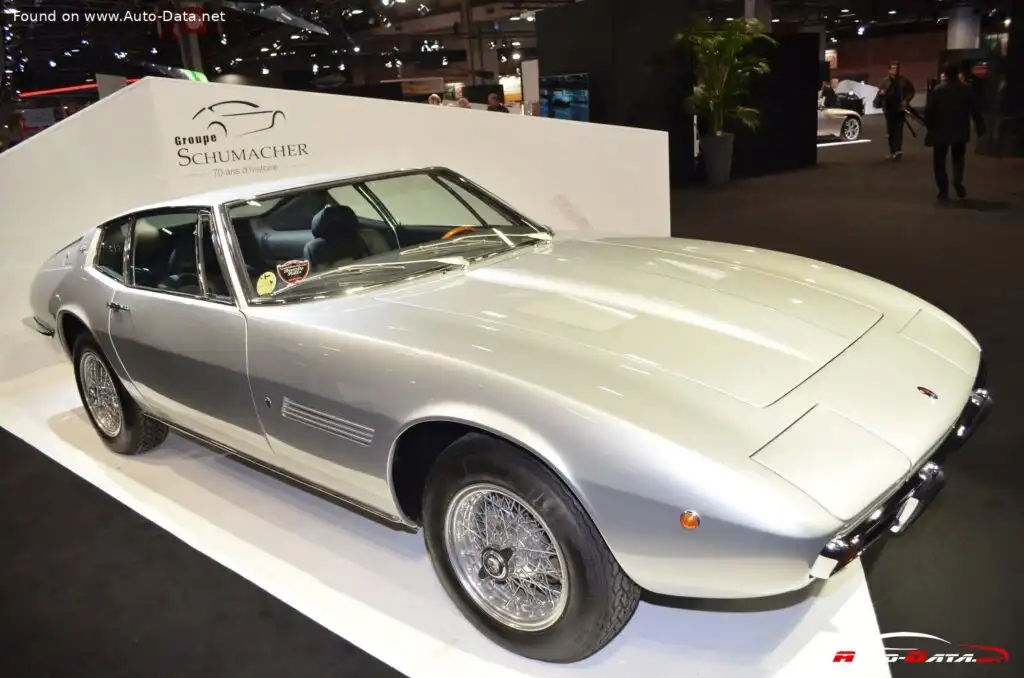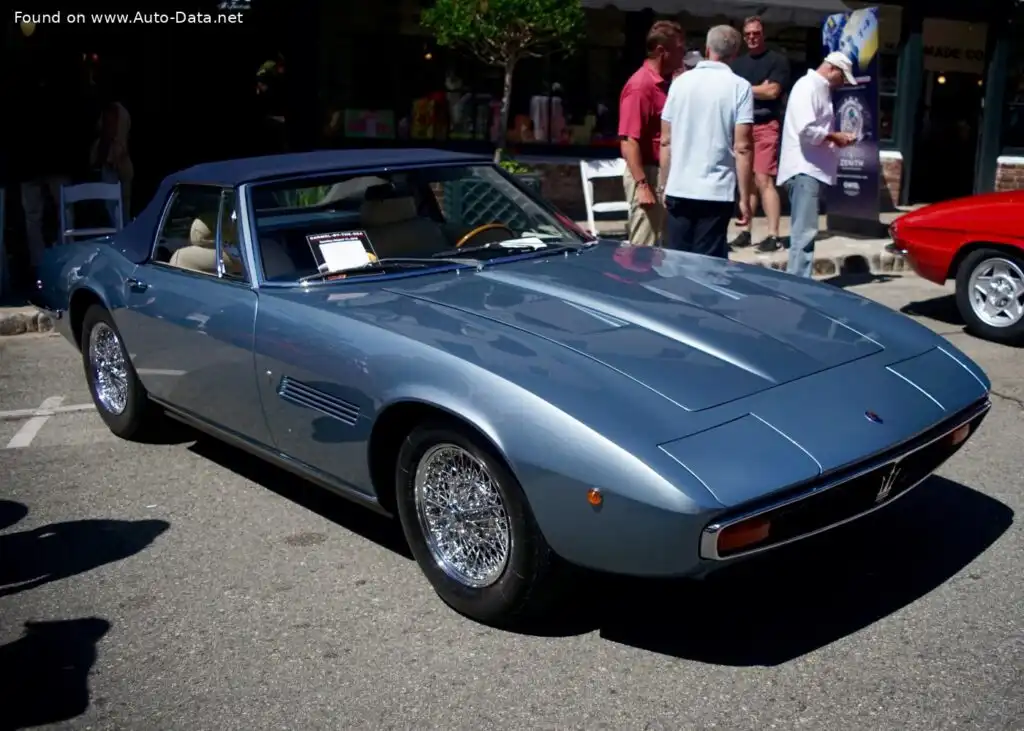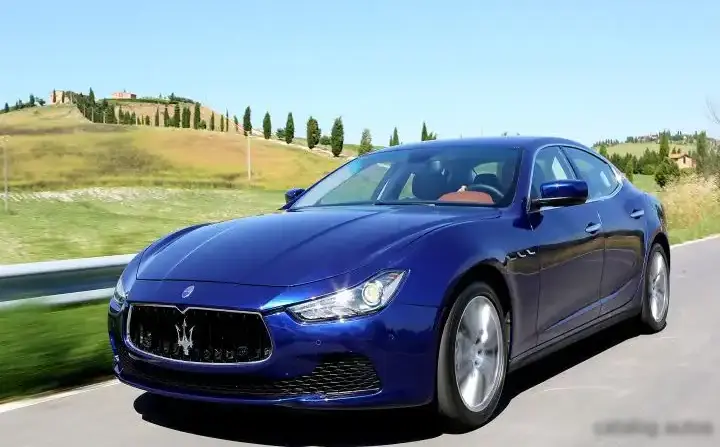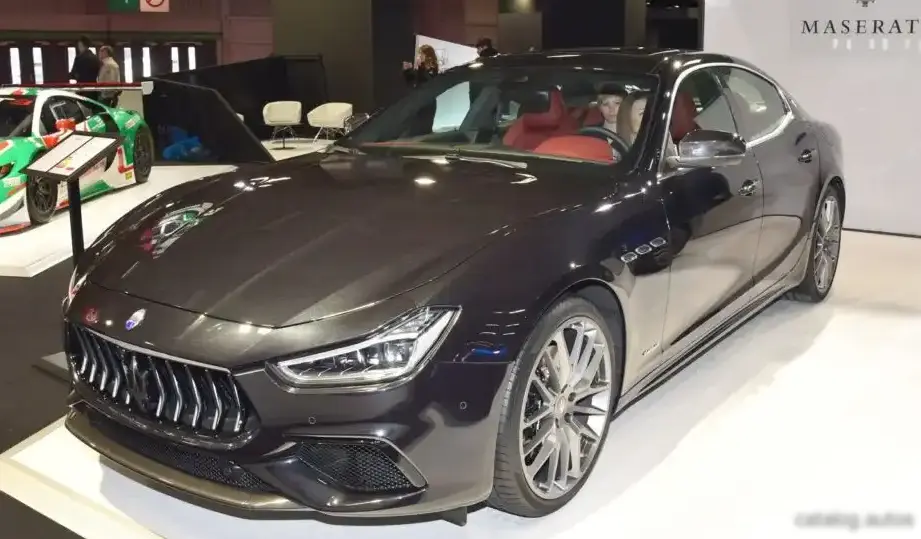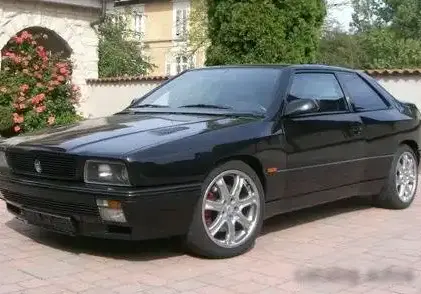
The Maserati Ghibli II 2.0 24V Biturbo, produced between 1992 and 1997, represented a significant shift for the iconic Italian marque. This iteration of the Ghibli, falling within the second generation (1992-1997), aimed to broaden the Ghibli’s appeal by offering a smaller displacement, turbocharged engine alongside the traditional larger V6 options. While maintaining the classic Maserati grand touring spirit, the 2.0-liter Biturbo was positioned as a more accessible entry point into the Maserati lineup, particularly in European markets where smaller engine sizes were favored due to taxation and fuel economy considerations. It was a coupe body style with 2 doors and 4 seats.
Technical Specifications
| Brand | Maserati |
| Model | Ghibli |
| Generation | Ghibli II |
| Type (Engine) | 2.0 24V Biturbo (306 Hp) |
| Start of production | 1992 |
| End of production | 1997 |
| Powertrain Architecture | Internal Combustion engine |
| Body type | Coupe |
| Seats | 4 |
| Doors | 2 |
| Fuel consumption (urban) | 16.4 l/100 km (14.3 US mpg, 17.2 UK mpg, 6.1 km/l) |
| Fuel consumption (extra urban) | 10 l/100 km (23.5 US mpg, 28.2 UK mpg, 10 km/l) |
| Fuel Type | Petrol (Gasoline) |
| Acceleration 0 – 100 km/h | 5.7 sec |
| Acceleration 0 – 62 mph | 5.7 sec |
| Acceleration 0 – 60 mph | 5.4 sec |
| Maximum speed | 265 km/h (164.66 mph) |
| Weight-to-power ratio | 4.5 kg/Hp, 224.2 Hp/tonne |
| Weight-to-torque ratio | 3.7 kg/Nm, 273.3 Nm/tonne |
| Power | 306 Hp @ 6250 rpm |
| Power per litre | 153.3 Hp/l |
| Torque | 373 Nm @ 4250 rpm (275.11 lb.-ft. @ 4250 rpm) |
| Engine layout | Front, Longitudinal |
| Engine Model/Code | AM336 |
| Engine displacement | 1996 cm3 (121.8 cu. in.) |
| Number of cylinders | 6 |
| Engine configuration | V-engine |
| Cylinder Bore | 82 mm (3.23 in.) |
| Piston Stroke | 63 mm (2.48 in.) |
| Compression ratio | 7.6:1 |
| Number of valves per cylinder | 4 |
| Fuel injection system | Multi-port manifold injection |
| Engine aspiration | Turbocharger |
| Valvetrain | DOHC |
| Engine oil capacity | 6 l (6.34 US qt | 5.28 UK qt) |
| Coolant | 8.5 l (8.98 US qt | 7.48 UK qt) |
| Kerb Weight | 1365 kg (3009.31 lbs.) |
| Max. weight | 1765 kg (3891.16 lbs.) |
| Max load | 400 kg (881.85 lbs.) |
| Trunk (boot) space – minimum | 420 l (14.83 cu. ft.) |
| Fuel tank capacity | 80 l (21.13 US gal | 17.6 UK gal) |
| Length | 4223 mm (166.26 in.) |
| Width | 1775 mm (69.88 in.) |
| Height | 1300 mm (51.18 in.) |
| Wheelbase | 2514 mm (98.98 in.) |
| Front track | 1515 mm (59.65 in.) |
| Rear (Back) track | 1510 mm (59.45 in.) |
| Drivetrain Architecture | The Internal combustion engine (ICE) drives the rear wheels of the vehicle. |
| Drive wheel | Rear wheel drive |
| Number of gears and type of gearbox | 6 gears, manual transmission |
| Front suspension | Coil spring |
| Rear suspension | Coil spring |
| Front brakes | Disc |
| Rear brakes | Disc |
| Assisting systems | ABS (Anti-lock braking system) |
| Steering type | Steering rack and pinion |
| Power steering | Hydraulic Steering |
| Tires size | 215/45 R17; 245/40 R17 |
| Wheel rims size | 17 |
Powertrain & Engine Architecture
The heart of the Ghibli II 2.0 Biturbo was the AM336 engine, a 1,996 cc (121.8 cu in) V6. This engine utilized a sophisticated twin-turbocharger setup, a hallmark of Maserati’s Biturbo series, to overcome the limitations of its smaller displacement. The engine featured a 7.6:1 compression ratio, multi-port fuel injection, and a double overhead camshaft (DOHC) valvetrain. The twin-turbo configuration aimed to minimize turbo lag and provide a broader, more usable powerband. The 6-speed manual transmission was the only transmission option available with this engine, providing a more engaging driving experience compared to the automatic transmissions offered with the larger V6 engines. The engine was mounted longitudinally in the front of the vehicle, driving the rear wheels.
Driving Characteristics
The 2.0-liter Biturbo Ghibli offered a distinctly different driving experience compared to its larger-engined siblings. While it didn’t possess the outright brute force of the 3.2-liter V6, it provided a surprisingly responsive and engaging drive. The twin-turbochargers delivered a noticeable surge of power in the mid-range, making it well-suited for spirited driving on winding roads. The 6-speed manual transmission allowed drivers to fully exploit the engine’s powerband. Acceleration to 60 mph was achieved in approximately 5.4 seconds, and it had a top speed of 164.66 mph. Compared to the 3.2-liter models, the 2.0 Biturbo felt more nimble and balanced due to its lighter weight.
Equipment & Trim Levels
The Ghibli II 2.0 Biturbo was generally equipped with a respectable level of standard features, reflecting its positioning as a premium coupe. Standard equipment typically included leather upholstery, power windows, central locking, and an anti-lock braking system (ABS). Air conditioning was also a common feature. Optional extras included a sunroof, upgraded audio systems, and various trim enhancements. Interior trim options were relatively limited compared to the higher-spec models, focusing on providing a comfortable and luxurious environment without excessive ornamentation.
Chassis & Braking
The Ghibli II 2.0 Biturbo utilized a coil spring suspension system at both the front and rear, providing a comfortable ride while maintaining good handling characteristics. The car was equipped with disc brakes on all four wheels, providing ample stopping power. The ABS system further enhanced braking performance and stability. The chassis was designed to balance rigidity and weight, contributing to the car’s overall handling dynamics. The lighter weight of the 2.0-liter model, compared to the larger-engined versions, resulted in slightly improved agility and responsiveness.
Market Reception & Comparison
The Ghibli II 2.0 Biturbo received mixed reviews upon its release. Critics praised its performance and handling, particularly considering its smaller engine displacement. However, some reviewers noted that it lacked the prestige and exclusivity of the larger-engined models. Fuel economy was a notable improvement over the V6 variants, making it more appealing to buyers in markets with high fuel taxes. Compared to the 3.2-liter Ghibli, the 2.0 Biturbo offered a more affordable entry point into the Maserati brand, but it also lacked the same level of performance and refinement. Reliability was generally considered to be acceptable, but like all Maseratis of the era, it required diligent maintenance.
Legacy
Today, the Maserati Ghibli II 2.0 Biturbo is a relatively rare and sought-after classic. Its unique combination of a turbocharged V6 engine and a 6-speed manual transmission makes it an appealing option for enthusiasts. While it may not have the same iconic status as the larger-engined Ghiblis, it represents an interesting chapter in Maserati’s history. The AM336 engine, while complex, is generally considered to be robust when properly maintained. Finding parts can be challenging, but a dedicated community of Maserati enthusiasts exists to provide support and resources. The 2.0 Biturbo Ghibli offers a compelling blend of Italian style, performance, and exclusivity, making it a rewarding classic car ownership experience.