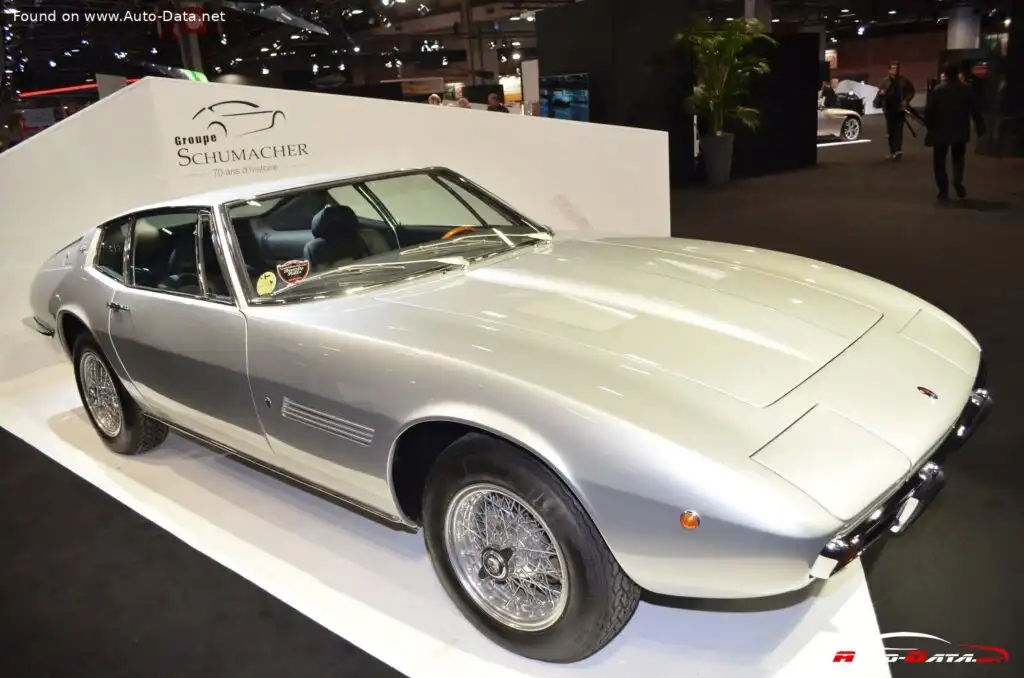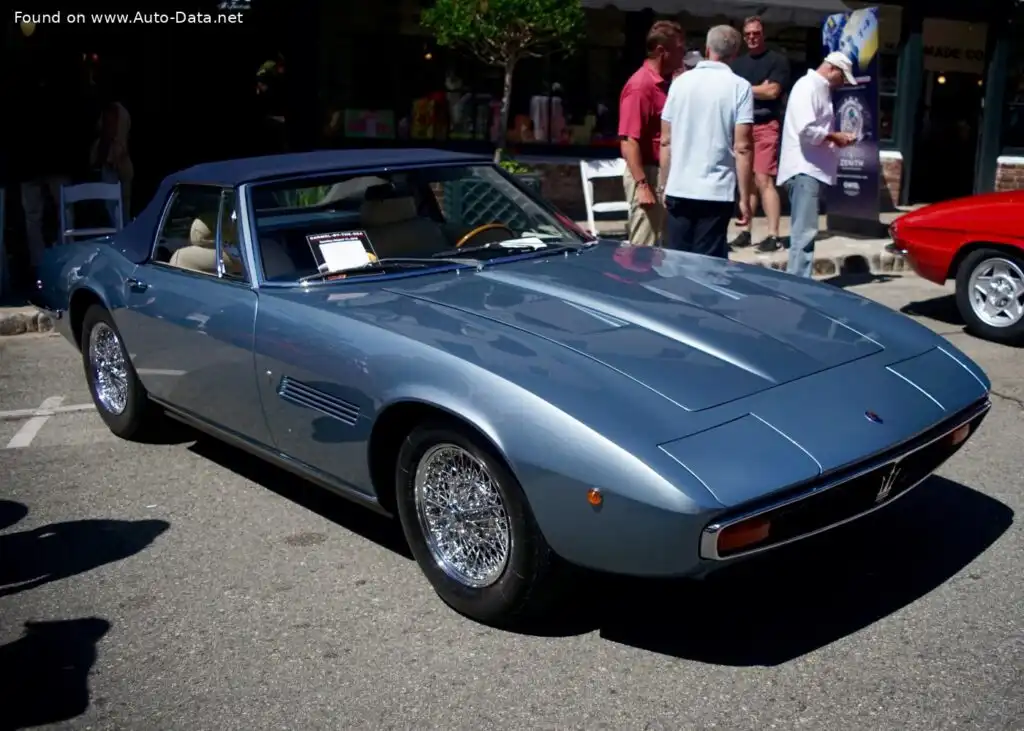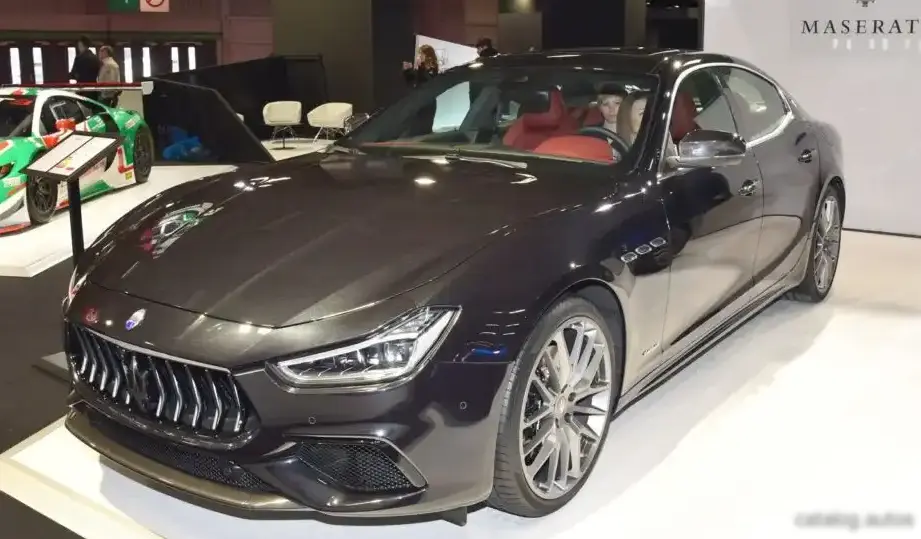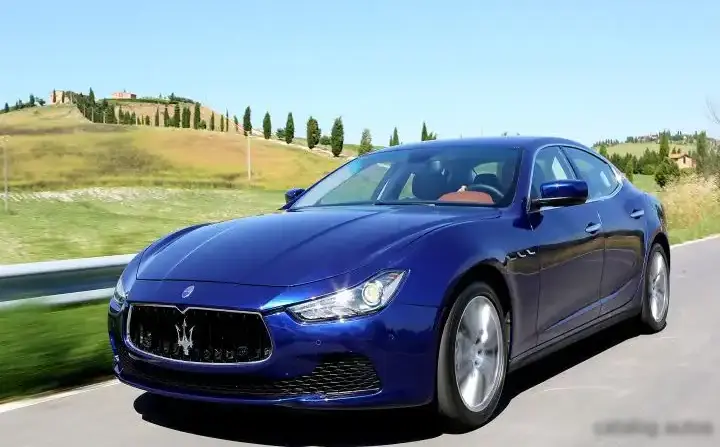
The Maserati Ghibli III (M157), specifically the 3.0 V6 (330 Hp) Automatic variant, represents Maserati’s entry into the mid-size luxury sedan segment with a focus on performance and Italian styling. Introduced in 2013 and continuing through 2016, this generation Ghibli aimed to broaden Maserati’s appeal beyond its traditional grand touring models. Positioned as a more accessible alternative to the larger Quattroporte, the 3.0 V6 Automatic served as a core model within the Ghibli lineup, offering a balance of power, comfort, and technology. It was built on the M157 platform, shared with other Chrysler and Maserati vehicles, marking a period of collaboration between the two brands.
Technical Specifications
| Brand | Maserati |
| Model | Ghibli |
| Generation | Ghibli III (M157) |
| Type (Engine) | 3.0 V6 (330 Hp) Automatic |
| Start of production | 2013 |
| End of production | 2016 |
| Powertrain Architecture | Internal Combustion engine |
| Body type | Sedan |
| Seats | 5 |
| Doors | 4 |
| Fuel consumption (urban) | 12.6 l/100 km (18.7 US mpg) |
| Fuel consumption (extra urban) | 6.8 l/100 km (34.6 US mpg) |
| Fuel consumption (combined) | 8.9 l/100 km (26.4 US mpg) |
| CO2 emissions | 207 g/km |
| Fuel Type | Petrol (Gasoline) |
| Acceleration 0 – 100 km/h | 5.6 sec |
| Acceleration 0 – 62 mph | 5.6 sec |
| Acceleration 0 – 60 mph | 5.3 sec |
| Maximum speed | 263 km/h (163.42 mph) |
| Power | 330 Hp @ 5000 rpm |
| Torque | 500 Nm @ 1750-4500 rpm (368.78 lb.-ft.) |
| Engine layout | Front, Longitudinal |
| Engine Model/Code | M156C |
| Engine displacement | 2979 cm3 (181.79 cu. in.) |
| Number of cylinders | 6 |
| Engine configuration | V-engine |
| Cylinder Bore | 86.5 mm (3.41 in.) |
| Piston Stroke | 84.5 mm (3.33 in.) |
| Compression ratio | 9.7:1 |
| Fuel injection system | Direct injection |
| Engine aspiration | BiTurbo, Intercooler |
| Engine oil capacity | 7.2 l (7.61 US qt | 6.34 UK qt) |
| Coolant capacity | 9.2 l (9.72 US qt | 8.09 UK qt) |
| Kerb Weight | 1810 kg (3990.37 lbs.) |
| Trunk (boot) space | 500 l (17.66 cu. ft.) |
| Fuel tank capacity | 80 l (21.13 US gal | 17.6 UK gal) |
| Length | 4971 mm (195.71 in.) |
| Width | 1945 mm (76.57 in.) |
| Width including mirrors | 2100 mm (82.68 in.) |
| Height | 1461 mm (57.52 in.) |
| Wheelbase | 2998 mm (118.03 in.) |
| Front track | 1635 mm (64.37 in.) |
| Rear track | 1653 mm (65.08 in.) |
| Minimum turning circle | 11.7 m (38.39 ft.) |
| Drivetrain Architecture | Rear wheel drive |
| Number of gears | 8 |
| Gearbox type | Automatic transmission |
| Front brakes | Ventilated discs |
| Rear brakes | Ventilated discs |
| Tire size | 235/50 R18 |
| Wheel rims size | 18 |
Powertrain & Engine Architecture
The heart of the Ghibli 3.0 V6 Automatic is the M156C engine, a 3.0-liter twin-turbocharged V6. This engine, developed in collaboration with Ferrari, utilizes direct fuel injection and a variable valve timing system to optimize performance and efficiency. The twin-turbochargers, supplied by BorgWarner, are configured to minimize turbo lag and deliver a broad torque curve. The engine produces 330 horsepower at 5000 rpm and 500 Nm (368 lb-ft) of torque between 1750 and 4500 rpm. The engine is longitudinally mounted in the front of the vehicle. The transmission is an 8-speed automatic, sourced from ZF. This transmission offers smooth shifts and contributes to the Ghibli’s refined driving experience. It features a traditional torque converter and allows for both automatic and manual shifting via steering wheel-mounted paddles.
Driving Characteristics
The 3.0 V6 Automatic Ghibli delivers a compelling blend of performance and comfort. Acceleration from 0 to 60 mph takes approximately 5.3 seconds, making it a genuinely quick sedan. The automatic transmission is well-tuned, providing responsive shifts in both normal and sport modes. While not as overtly sporty as some of its German rivals, the Ghibli offers a more relaxed and refined driving experience. The gear ratios are optimized for both acceleration and highway cruising. Compared to the more powerful Ghibli S Q4 (with all-wheel drive), the base 3.0 V6 feels less urgent off the line, but still provides ample power for everyday driving and overtaking. Compared to the diesel variants, the V6 offers a more responsive and engaging driving experience, albeit with slightly higher fuel consumption.
Equipment & Trim Levels
The Ghibli 3.0 V6 Automatic came standard with a generous array of features, including leather upholstery, dual-zone climate control, a touchscreen infotainment system, and a rearview camera. Optional extras included a premium sound system (Harman Kardon), adaptive cruise control, blind-spot monitoring, and a panoramic sunroof. Interior trim options ranged from standard leather to more luxurious Poltrona Frau leather, offering a higher level of craftsmanship. The dashboard layout is driver-focused, with a clear instrument cluster and intuitive controls. The base trim level focused on providing a luxurious experience, while optional packages allowed buyers to customize the vehicle to their preferences.
Chassis & Braking
The Ghibli III utilizes a double-wishbone front suspension and a multi-link rear suspension, providing a comfortable ride and good handling characteristics. The suspension is tuned to balance comfort and control, offering a composed ride even on uneven surfaces. Braking duties are handled by ventilated discs on all four wheels, providing ample stopping power. Anti-lock brakes (ABS) and electronic stability control (ESC) are standard features. The Ghibli 3.0 V6 typically featured smaller rear brake rotors compared to the higher-performance S Q4 model. The steering is electrically assisted, providing a precise and responsive feel.
Market Reception & Comparison
The Maserati Ghibli III was generally well-received by automotive critics, who praised its stylish design, luxurious interior, and engaging driving experience. However, some criticisms were leveled at its reliability and relatively high maintenance costs. Compared to its German rivals (BMW 5 Series, Mercedes-Benz E-Class, Audi A6), the Ghibli offered a more distinctive character and a more emotional driving experience. Fuel economy was comparable to other V6-powered sedans in its class, averaging around 26.4 US mpg in combined driving. The 3.0 V6 Automatic variant was considered a good value proposition within the Ghibli lineup, offering a balance of performance and affordability.
Legacy
The Maserati Ghibli III (M157) marked a significant step for the brand, expanding its reach into a new segment of the luxury car market. While early models experienced some reliability issues, particularly with the infotainment system and some engine components, later revisions addressed many of these concerns. Today, the 3.0 V6 Automatic Ghibli remains a desirable used car, offering a unique blend of Italian style, performance, and luxury. Maintenance costs can be higher than those of its German competitors, but the Ghibli’s distinctive character and driving experience continue to appeal to enthusiasts. The M156C engine, while not without its quirks, is generally considered a robust and capable powerplant when properly maintained.