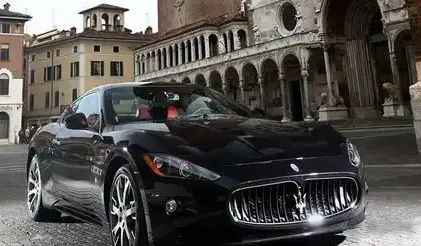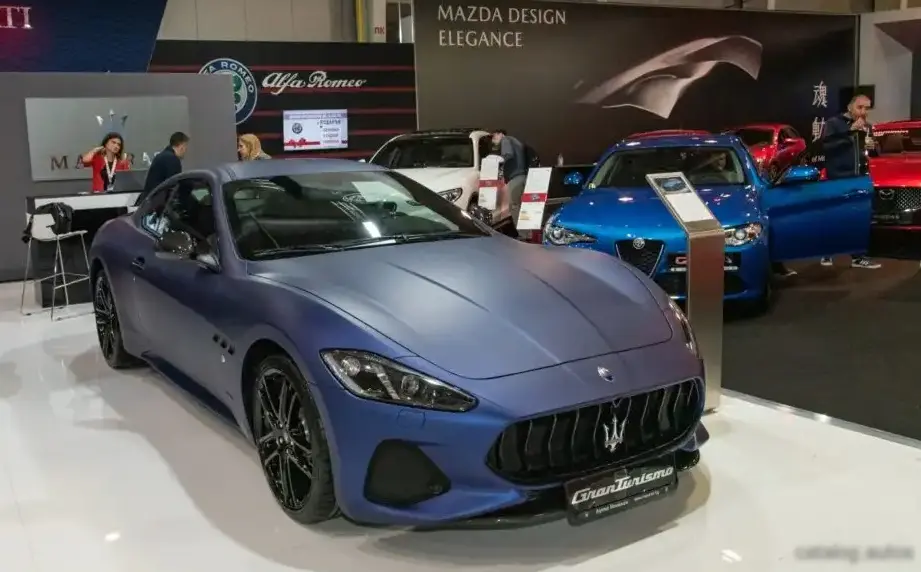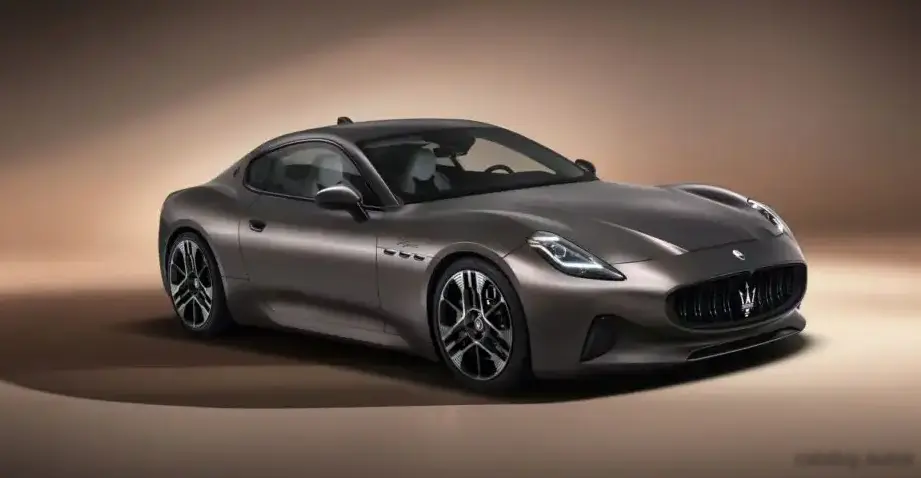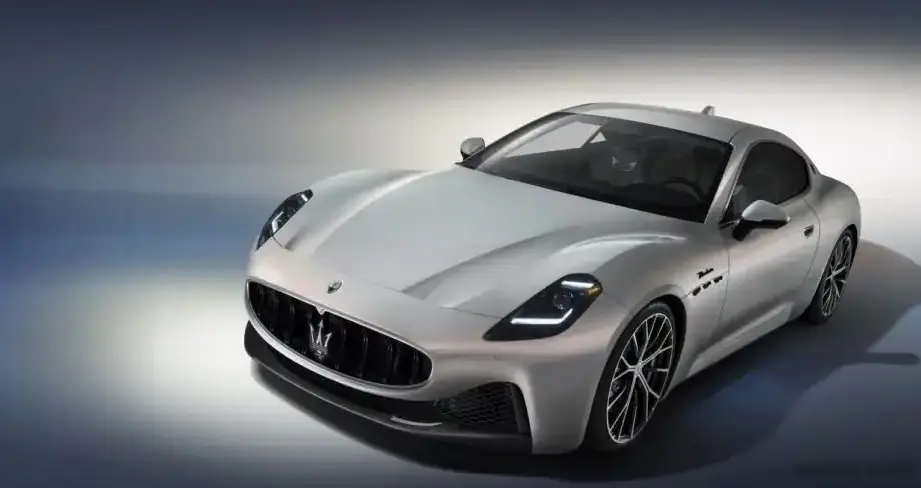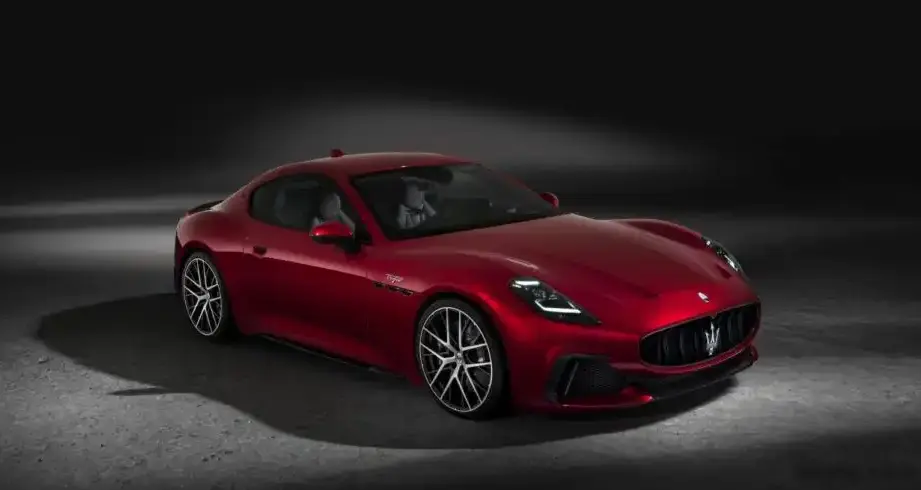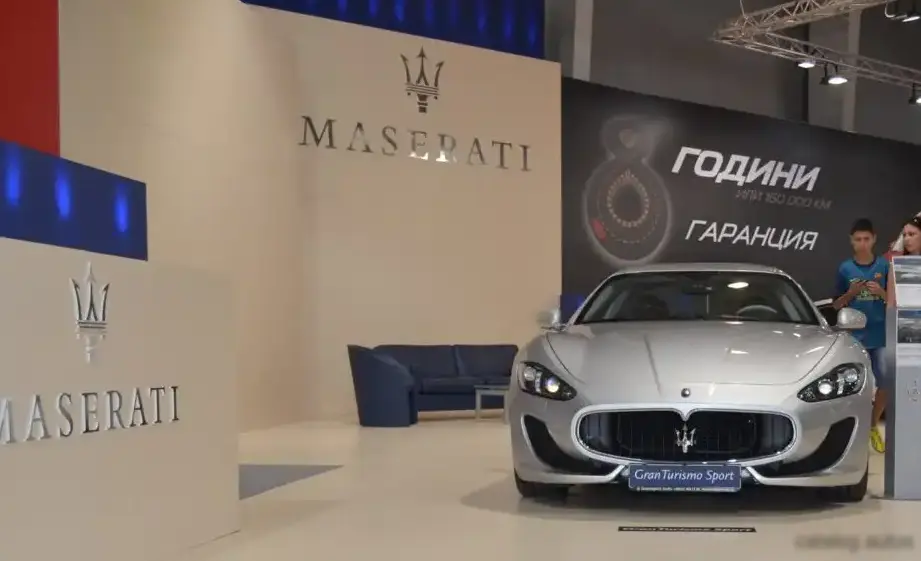
The Maserati GranTurismo I Sport 4.7 V8 (460 Hp) Automatic, produced between 2012 and 2017, represents a high-performance iteration of Maserati’s flagship coupe. Positioned as a more focused variant within the GranTurismo range, the Sport model aimed to deliver a more engaging driving experience while retaining the luxury and elegance expected of the brand. It falls within the first generation (GranTurismo I) of the modern GranTurismo, which utilized the Maserati M145 platform. This particular configuration – the 4.7-liter V8 paired with a six-speed automatic transmission – was a popular choice for buyers seeking a balance between performance and convenience.
Technical Specifications
| Brand | Maserati |
| Model | GranTurismo |
| Generation | GranTurismo I |
| Type (Engine) | Sport 4.7 V8 (460 Hp) Automatic |
| Start of production | 2012 |
| End of production | 2017 |
| Powertrain Architecture | Internal Combustion engine |
| Body type | Coupe |
| Seats | 4 |
| Doors | 2 |
| Fuel consumption (combined) | 14.3 l/100 km |
| Fuel consumption (US mpg) | 16.4 US mpg |
| Fuel consumption (UK mpg) | 19.8 UK mpg |
| Fuel consumption (km/l) | 7 km/l |
| CO2 emissions | 331 g/km |
| Fuel Type | Petrol (Gasoline) |
| Acceleration 0 – 100 km/h | 4.8 sec |
| Acceleration 0 – 62 mph | 4.8 sec |
| Acceleration 0 – 60 mph | 4.6 sec |
| Maximum speed | 298 km/h (185.17 mph) |
| Emission standard | Euro 5 |
| Weight-to-power ratio | 4.1 kg/Hp |
| Power per tonne | 244.7 Hp/tonne |
| Weight-to-torque ratio | 3.6 kg/Nm |
| Torque per tonne | 276.6 Nm/tonne |
| Power | 460 Hp @ 7000 rpm |
| Power per litre | 98.1 Hp/l |
| Torque | 520 Nm @ 4750 rpm (383.53 lb.-ft. @ 4750 rpm) |
| Engine layout | Front, Longitudinal |
| Engine Model/Code | M145B |
| Engine displacement | 4691 cm3 (286.26 cu. in.) |
| Number of cylinders | 8 |
| Engine configuration | V-engine |
| Cylinder Bore | 94 mm (3.7 in.) |
| Piston Stroke | 84.5 mm (3.33 in.) |
| Compression ratio | 11.25:1 |
| Number of valves per cylinder | 4 |
| Fuel injection system | Direct injection |
| Engine aspiration | Naturally aspirated engine |
| Engine oil capacity | 9 l (9.51 US qt | 7.92 UK qt) |
| Coolant capacity | 13 l (13.74 US qt | 11.44 UK qt) |
| Kerb Weight | 1880 kg (4144.69 lbs.) |
| Fuel tank capacity | 86 l (22.72 US gal | 18.92 UK gal) |
| Length | 4881 mm (192.17 in.) |
| Width | 1915 mm (75.39 in.) |
| Width including mirrors | 2056 mm (80.94 in.) |
| Height | 1353 mm (53.27 in.) |
| Wheelbase | 2942 mm (115.83 in.) |
| Front track | 1586 mm (62.44 in.) |
| Rear track | 1590 mm (62.6 in.) |
| Minimum turning circle | 12.3 m (40.35 ft.) |
| Drivetrain | Rear wheel drive |
| Number of gears | 6 |
| Gearbox type | Automatic transmission |
| Front suspension | Double wishbone |
| Rear suspension | Double wishbone |
| Front brakes | Ventilated discs |
| Rear brakes | Ventilated discs |
| Assisting systems | ABS (Anti-lock braking system) |
| Steering type | Steering rack and pinion |
Powertrain & Engine Architecture
At the heart of the GranTurismo Sport 4.7 lies Maserati’s M145B 4.7-liter V8 engine. This naturally aspirated powerplant is a significant departure from forced induction, relying on displacement and sophisticated engine management for its performance. The engine features a 90-degree V-angle, contributing to a smooth power delivery and a distinctive exhaust note. Direct fuel injection is employed to maximize combustion efficiency and power output. The valvetrain utilizes four valves per cylinder, further enhancing breathing and performance. The engine’s 460 horsepower peak is achieved at 7,000 rpm, while its 383 lb-ft of torque is readily available at 4,750 rpm. Paired with this engine is a ZF six-speed automatic transmission, known for its relatively quick shifts and durability. While not as technologically advanced as some dual-clutch transmissions available at the time, it provided a comfortable and convenient driving experience for many buyers.
Driving Characteristics
The combination of the 4.7-liter V8 and the six-speed automatic transmission in the GranTurismo Sport delivers a compelling, albeit somewhat traditional, grand touring experience. Acceleration from 0 to 60 mph takes approximately 4.6 seconds, and the car can reach a top speed of 185 mph. The automatic transmission, while smooth, doesn’t offer the lightning-fast shifts of a dual-clutch unit, resulting in a slightly less aggressive feel compared to the manual transmission-equipped models. However, the automatic’s programming is well-tuned to the engine’s characteristics, providing responsive downshifts and seamless gear changes during normal driving. The gear ratios are optimized for both acceleration and comfortable high-speed cruising. Compared to the base GranTurismo, the Sport model benefits from a slightly more aggressive suspension tune and a louder exhaust, enhancing the overall driving experience.
Equipment & Trim Levels
The GranTurismo Sport 4.7 Automatic came standard with a generous array of features. Interior appointments typically included leather upholstery, power-adjustable seats, a premium audio system, and a navigation system. The Sport trim added unique styling cues, such as sport seats with more aggressive bolstering, a sport steering wheel, and carbon fiber interior trim. Optional extras included a panoramic sunroof, upgraded leather options, and a rear-seat entertainment system. Exterior features included distinctive alloy wheels, a more aggressive front fascia, and side skirts. The overall interior ambiance was one of luxury and craftsmanship, befitting a Maserati.
Chassis & Braking
The GranTurismo I utilizes a double-wishbone suspension setup at both the front and rear, providing a comfortable ride and good handling characteristics. The Sport model featured a slightly stiffer suspension calibration compared to the standard GranTurismo, reducing body roll and improving responsiveness. Braking duties are handled by ventilated discs at all four corners, providing ample stopping power. The car is equipped with an Anti-lock Braking System (ABS) as standard. The chassis is constructed from a combination of steel and aluminum, balancing rigidity with weight savings. The rear track is slightly wider than the front, contributing to stability.
Market Reception & Comparison
The Maserati GranTurismo Sport 4.7 Automatic was generally well-received by automotive critics. It was praised for its beautiful design, luxurious interior, and powerful engine. However, some critics noted that the automatic transmission wasn’t as engaging as the manual option, and the fuel economy was relatively poor (16.4 US mpg combined). Compared to other trims, the Sport model offered a more focused driving experience, appealing to enthusiasts who prioritized performance over outright comfort. The base GranTurismo offered a more relaxed grand touring experience, while the MC Stradale was a significantly more track-focused variant. The 4.2-liter V8 models, while less powerful, offered a different character and were often more affordable.
Legacy
The Maserati GranTurismo I Sport 4.7 V8 Automatic has proven to be a relatively reliable vehicle, although maintenance costs can be high due to the car’s Italian heritage and complex engineering. The M145B engine is generally considered robust, but regular maintenance is crucial. The ZF six-speed automatic transmission is also known for its durability. On the used car market, these GranTurismos hold their value reasonably well, particularly well-maintained examples with low mileage. They remain a desirable choice for buyers seeking a stylish and powerful grand tourer with a distinctive Italian flair. The car represents a high point in Maserati’s modern history, blending performance, luxury, and design in a compelling package.