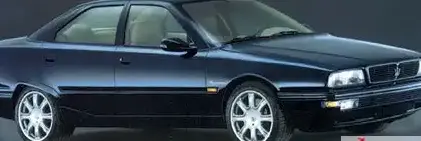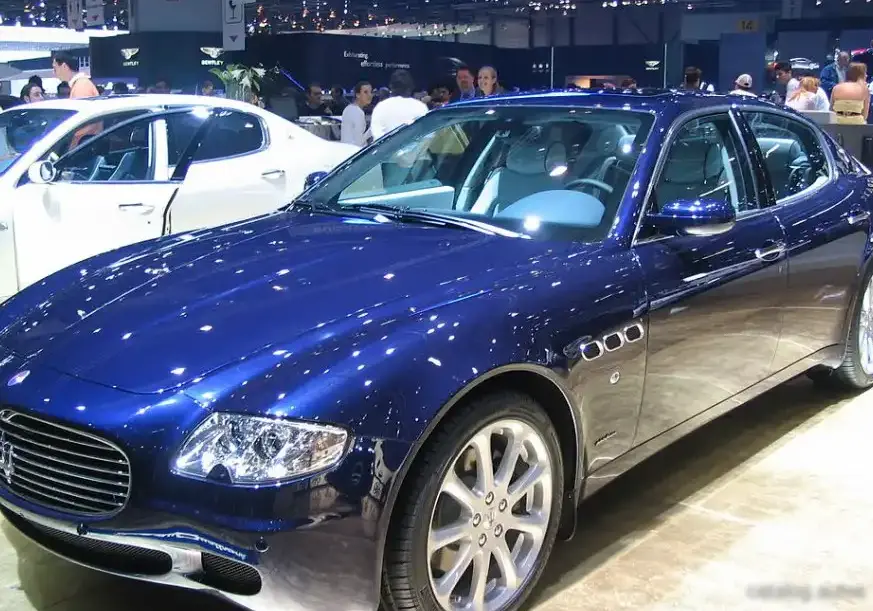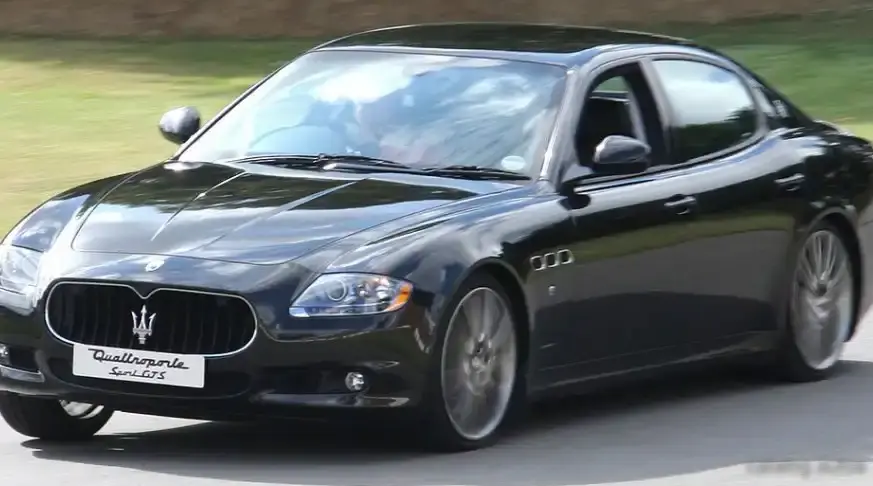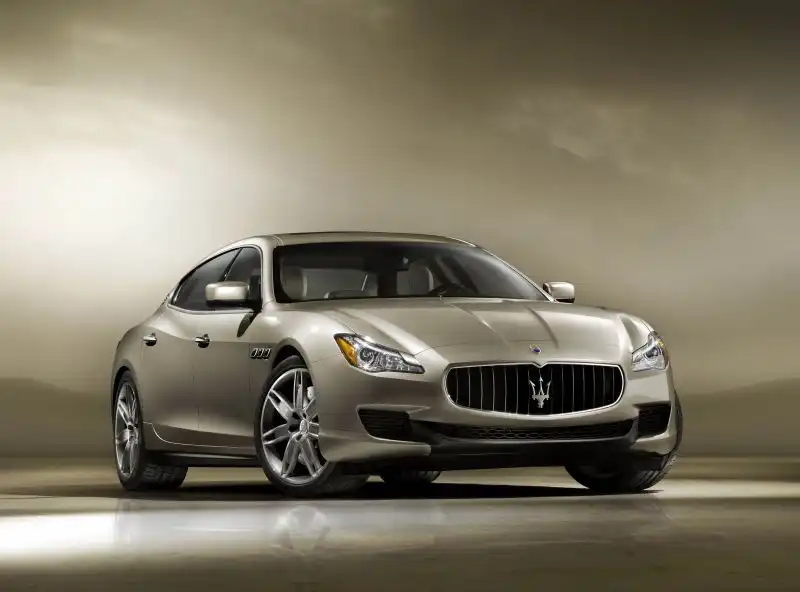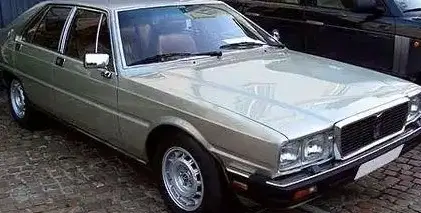
The Maserati Quattroporte III 4.2, produced between July 1979 and July 1983, represents a pivotal moment in the storied history of Maserati’s flagship sedan. This iteration, part of the third generation of the Quattroporte (designated the 1HX0 series), aimed to blend Italian luxury with performance, continuing the tradition established by its predecessors. Positioned as the top-of-the-line Quattroporte during its production run, the 4.2-liter variant offered a significant step up in power and refinement compared to the earlier 2.0-liter models. It served as a statement of Maserati’s engineering prowess and commitment to building exclusive, high-performance automobiles for a discerning clientele, primarily in Europe and select international markets.
Technical Specifications
| Brand | Maserati |
| Model | Quattroporte |
| Generation | Quattroporte III |
| Type (Engine) | 4.2 (255 Hp) |
| Start of production | July, 1979 |
| End of production | July, 1983 |
| Powertrain Architecture | Internal Combustion engine |
| Body type | Sedan |
| Seats | 5 |
| Doors | 4 |
| Fuel consumption (combined) | 18.5 l/100 km (12.7 US mpg, 15.3 UK mpg, 5.4 km/l) |
| Fuel Type | Petrol (Gasoline) |
| Acceleration 0 – 100 km/h | 7.5 sec |
| Acceleration 0 – 62 mph | 7.5 sec |
| Acceleration 0 – 60 mph | 7.1 sec |
| Maximum speed | 222 km/h (137.94 mph) |
| Weight-to-power ratio | 7.5 kg/Hp, 134.2 Hp/tonne |
| Weight-to-torque ratio | 5.4 kg/Nm, 185.8 Nm/tonne |
| Power | 255 Hp @ 6000 rpm |
| Power per litre | 61.7 Hp/l |
| Torque | 353 Nm @ 3200 rpm (260.36 lb.-ft. @ 3200 rpm) |
| Engine layout | Front, Longitudinal |
| Engine Model/Code | 107.21.42 |
| Engine displacement | 4136 cm3 (252.39 cu. in.) |
| Number of cylinders | 8 |
| Engine configuration | V-engine |
| Cylinder Bore | 88.01 mm (3.46 in.) |
| Piston Stroke | 85 mm (3.35 in.) |
| Compression ratio | 8.5:1 |
| Number of valves per cylinder | 2 |
| Fuel injection system | Carburettor |
| Engine aspiration | Naturally aspirated engine |
| Valvetrain | DOHC |
| Kerb Weight | 1900 kg (4188.78 lbs.) |
| Max. weight | 2325 kg (5125.75 lbs.) |
| Max load | 425 kg (936.96 lbs.) |
| Trunk (boot) space – minimum | 600 l (21.19 cu. ft.) |
| Fuel tank capacity | 100 l (26.42 US gal | 22 UK gal) |
| Length | 4980 mm (196.06 in.) |
| Width | 1790 mm (70.47 in.) |
| Height | 1350 mm (53.15 in.) |
| Wheelbase | 2800 mm (110.24 in.) |
| Front track | 1525 mm (60.04 in.) |
| Rear (Back) track | 1525 mm (60.04 in.) |
| Minimum turning circle | 12.3 m (40.35 ft.) |
| Drivetrain Architecture | Rear wheel drive |
| Number of gears and type of gearbox | 5 gears, manual transmission |
| Front suspension | Independent coil spring, Transverse stabilizer |
| Rear suspension | Independent coil spring, Transverse stabilizer |
| Front brakes | Disc |
| Rear brakes | Disc |
| Steering type | Steering rack and pinion |
| Power steering | Hydraulic Steering |
| Tires size | 215/70 R15 |
| Wheel rims size | 7.5J x 15 |
Powertrain & Engine Architecture
The heart of the Quattroporte III 4.2 is its 4.2-liter (4136 cc) V8 engine, designated the 107.21.42. This engine, a naturally aspirated unit, produced 255 horsepower at 6000 rpm and 353 Nm (260.36 lb-ft) of torque at 3200 rpm. It featured a 90-degree V-angle, a cast iron block, and aluminum cylinder heads. Notably, the engine utilized twin Weber 38 DCOE carburetors for fuel delivery, a somewhat archaic system for the time but one that contributed to the engine’s character and responsiveness. The engine employed a double overhead camshaft (DOHC) valvetrain with two valves per cylinder. The engine was mounted longitudinally in the front of the car, driving the rear wheels. The standard transmission was a five-speed manual gearbox, providing drivers with full control over the engine’s power.
Driving Characteristics
The Quattroporte III 4.2 offered a compelling driving experience for its era. The 4.2-liter V8 provided ample power for spirited driving, with a 0-60 mph time of around 7.1 seconds and a top speed of 137.94 mph. The five-speed manual transmission allowed drivers to exploit the engine’s torque curve effectively. While not as nimble as some contemporary sports sedans, the Quattroporte III 4.2 offered a comfortable and refined ride, thanks to its independent suspension on all four wheels. The steering, a rack-and-pinion system with hydraulic assistance, provided precise control. The car’s weight (approximately 1900 kg or 4189 lbs) was noticeable, but the powerful V8 engine compensated for this, delivering strong acceleration in most situations. Compared to the earlier 2.0-liter Quattroportes, the 4.2 offered a substantial performance upgrade, making it the preferred choice for enthusiasts.
Equipment & Trim Levels
The Quattroporte III 4.2 was generously equipped, reflecting its status as a luxury vehicle. Standard features included power windows, central locking, and leather upholstery. The interior was characterized by its elegant design and high-quality materials. Wood trim was used extensively throughout the cabin, adding to the car’s luxurious ambiance. Optional extras included air conditioning, a sunroof, and upgraded audio systems. The exterior featured distinctive Maserati styling cues, including a prominent grille and elegant body lines. The car was available in a range of colors, allowing customers to personalize their vehicles.
Chassis & Braking
The Quattroporte III 4.2 featured a robust chassis and a sophisticated suspension system. The suspension consisted of independent coil springs and transverse stabilizers on both the front and rear axles, providing a comfortable ride and good handling. The braking system utilized disc brakes on all four wheels, offering ample stopping power. The steering was a rack-and-pinion system with hydraulic assistance, providing precise control and ease of use. The car rode on 215/70 R15 tires mounted on 7.5J x 15 inch wheels.
Market Reception & Comparison
The Quattroporte III 4.2 was well-received by automotive critics, who praised its performance, luxury, and elegant styling. However, its high price and relatively complex maintenance requirements limited its appeal to a niche market. Compared to other luxury sedans of the time, such as the Mercedes-Benz S-Class and the BMW 7 Series, the Quattroporte III 4.2 offered a more sporting driving experience but lacked the same level of technological sophistication. Fuel economy was also a concern, with the 4.2-liter V8 consuming a significant amount of gasoline (18.5 l/100 km). The 4.2-liter version was significantly more expensive than the 2.0-liter models, but it offered a substantial performance advantage, making it the preferred choice for discerning buyers.
Legacy
The Maserati Quattroporte III 4.2 remains a highly sought-after classic car today. Its combination of Italian style, powerful V8 engine, and luxurious interior has made it a favorite among collectors and enthusiasts. While maintenance can be expensive, the car’s robust construction and relatively simple mechanicals ensure that it can be kept on the road with proper care. The 4.2-liter engine is known for its reliability, although regular maintenance is essential. The Quattroporte III 4.2 represents a high point in Maserati’s history, and it continues to be celebrated as a symbol of Italian automotive excellence. In the used car market, well-maintained examples command premium prices, reflecting their rarity and desirability.