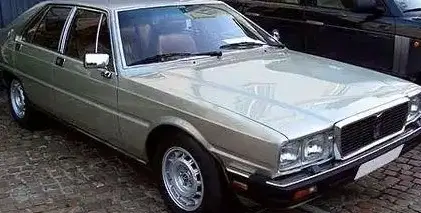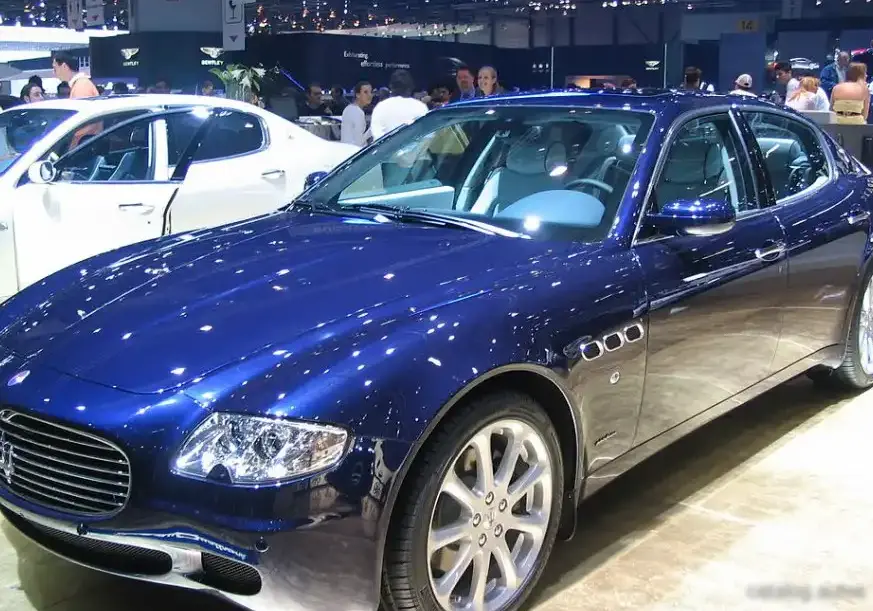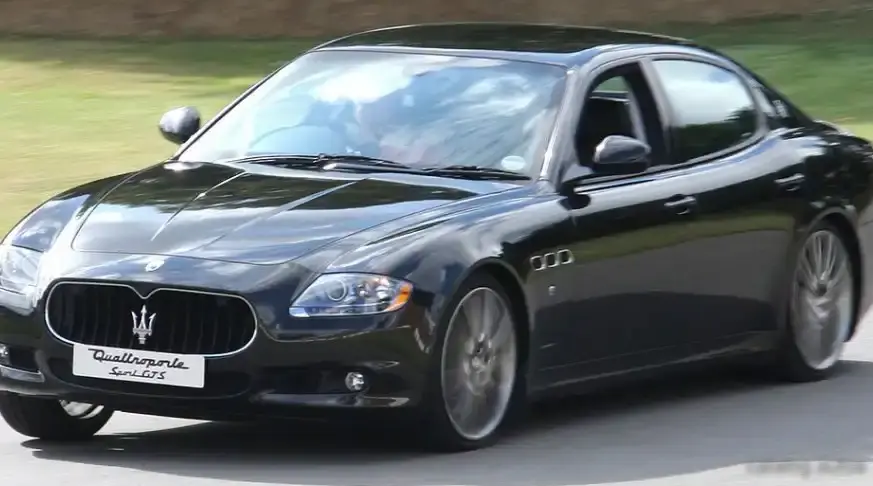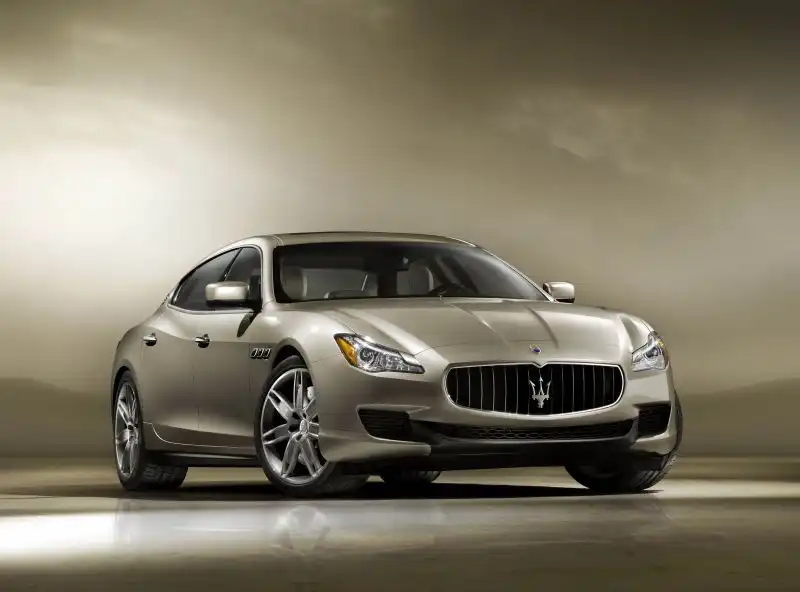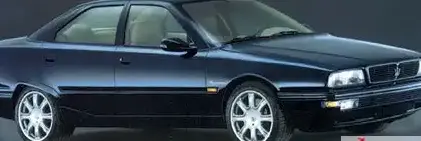
The Maserati Quattroporte IV 2.0 Biturbo, produced between 1994 and 1998, represented a significant shift for the Italian luxury automaker. This fourth generation of the Quattroporte aimed to broaden the model’s appeal by offering a more accessible entry point into the Maserati lineup, while still retaining the brand’s core values of performance and Italian craftsmanship. Positioned as a more attainable alternative to the larger, more expensive Quattroporte models equipped with V6 and V8 engines, the 2.0 Biturbo utilized forced induction to deliver a compelling blend of power and efficiency. It was built on the Maserati platform, sharing components with other models of the era, but distinguished itself with a unique engine configuration and a focus on a more dynamic driving experience.
Technical Specifications
| Brand | Maserati |
| Model | Quattroporte |
| Generation | Quattroporte IV |
| Type (Engine) | 2.0 Biturbo (287 Hp) |
| Start of production | 1994 |
| End of production | 1998 |
| Powertrain Architecture | Internal Combustion engine |
| Body type | Sedan |
| Seats | 5 |
| Doors | 4 |
| Fuel consumption (urban) | 16.1 l/100 km (14.6 US mpg) |
| Fuel consumption (extra urban) | 8.5 l/100 km (27.7 US mpg) |
| Fuel consumption (combined) | 10.4 l/100 km (22.6 US mpg) |
| Fuel Type | Petrol (Gasoline) |
| Acceleration 0 – 100 km/h | 5.9 sec |
| Acceleration 0 – 62 mph | 5.9 sec |
| Acceleration 0 – 60 mph | 5.6 sec |
| Maximum speed | 260 km/h (161.56 mph) |
| Weight-to-power ratio | 5.4 kg/Hp |
| Weight-to-torque ratio | 4.3 kg/Nm |
| Power | 287 Hp @ 6500 rpm |
| Power per litre | 143.8 Hp/l |
| Torque | 362 Nm @ 3000 rpm (267 lb.-ft. @ 3000 rpm) |
| Engine layout | Front, Longitudinal |
| Engine displacement | 1996 cm3 (121.8 cu. in.) |
| Number of cylinders | 6 |
| Engine configuration | V-engine |
| Cylinder Bore | 82 mm (3.23 in.) |
| Piston Stroke | 63 mm (2.48 in.) |
| Compression ratio | 7.6:1 |
| Number of valves per cylinder | 4 |
| Fuel injection system | Multi-port manifold injection |
| Engine aspiration | Turbocharger, Intercooler |
| Valvetrain | DOHC |
| Kerb Weight | 1545 kg (3406.14 lbs.) |
| Max. weight | 1945 kg (4287.99 lbs.) |
| Max load | 400 kg (881.85 lbs.) |
| Trunk (boot) space – minimum | 420 l (14.83 cu. ft.) |
| Fuel tank capacity | 80 l (21.13 US gal) |
| Length | 4550 mm (179.13 in.) |
| Width | 1810 mm (71.26 in.) |
| Height | 1380 mm (54.33 in.) |
| Wheelbase | 2650 mm (104.33 in.) |
| Front track | 1520 mm (59.84 in.) |
| Rear (Back) track | 1500 mm (59.06 in.) |
| Drivetrain Architecture | Rear wheel drive |
| Drive wheel | Rear wheel drive |
| Number of gears and type of gearbox | 6 gears, manual transmission |
| Front suspension | Spring Strut |
| Rear suspension | Coil spring |
| Front brakes | Ventilated discs |
| Rear brakes | Ventilated discs |
| Assisting systems | ABS (Anti-lock braking system) |
| Steering type | Steering rack and pinion |
| Power steering | Hydraulic Steering |
| Tires size | 205/55 R16; 225/50 R16 |
| Wheel rims size | 7J x 16; 8J x 16 |
Powertrain & Engine Architecture
The heart of the Quattroporte IV 2.0 Biturbo was its 1996cc V6 engine, designated as the Maserati M90.20. This engine featured a 60-degree V-angle and employed a cast iron block with aluminum alloy cylinder heads. The key to its performance was the addition of a twin-scroll turbocharger with an intercooler, boosting power output to 287 horsepower at 6500 rpm and 362 Nm (267 lb-ft) of torque at 3000 rpm. Fuel delivery was managed by a Bosch multi-port fuel injection system. The engine utilized a double overhead camshaft (DOHC) valvetrain with four valves per cylinder, contributing to its responsive nature. The sole transmission option was a six-speed manual gearbox, designed to handle the engine’s torque and provide a more engaging driving experience. This was a deliberate choice by Maserati, emphasizing the sporting character of the Quattroporte even in this more accessible trim level.
Driving Characteristics
The 2.0 Biturbo offered a noticeably different driving experience compared to its V6 and V8 siblings. While lacking the outright power of the larger engines, the turbocharger provided a strong mid-range punch, making it surprisingly quick in everyday driving situations. Acceleration from 0 to 60 mph was achieved in approximately 5.6 seconds, and it could reach a top speed of 161.56 mph. The six-speed manual transmission allowed drivers to fully exploit the engine’s powerband, while the rear-wheel-drive configuration contributed to a balanced and engaging handling characteristic. Compared to the more luxurious and grand touring-focused V8 models, the 2.0 Biturbo felt more agile and responsive, appealing to drivers who prioritized driving enjoyment over sheer straight-line speed. The turbo lag was present, but manageable, and the engine delivered a satisfying surge of power once it spooled up.
Equipment & Trim Levels
The Quattroporte IV 2.0 Biturbo was generally well-equipped, reflecting its luxury car status. Standard features included leather upholstery, power windows, power locks, air conditioning, and an anti-lock braking system (ABS). The interior design was typically Italian, with a focus on elegance and craftsmanship. Optional extras included a sunroof, upgraded audio system, and various trim options. While not as lavishly appointed as the higher-end models, the 2.0 Biturbo offered a comfortable and refined interior environment. The dashboard layout was relatively straightforward, with clearly marked gauges and controls.
Chassis & Braking
The Quattroporte IV featured an independent suspension system, with spring struts at the front and coil springs at the rear. This setup provided a good balance between ride comfort and handling precision. The car was equipped with ventilated disc brakes on all four wheels, providing ample stopping power. The ABS system further enhanced braking performance and stability, particularly in adverse conditions. The chassis was relatively lightweight, contributing to the car’s agility and responsiveness.
Market Reception & Comparison
The Quattroporte IV 2.0 Biturbo was generally well-received by automotive critics, who praised its performance, handling, and value for money. It was seen as a compelling alternative to other luxury sedans in its class, offering a unique blend of Italian style and performance. However, some critics noted that the engine lacked the refinement and character of the larger Maserati engines. Compared to the V6 and V8 models, the 2.0 Biturbo offered better fuel economy, but its reliability was somewhat questionable, with some owners reporting issues with the turbocharger and fuel injection system.
Legacy
The Maserati Quattroporte IV 2.0 Biturbo represents an interesting chapter in the brand’s history. It was an attempt to broaden the model’s appeal and attract a wider range of customers. While it didn’t achieve the same level of sales success as the larger-engined models, it remains a desirable classic car today, particularly among enthusiasts who appreciate its unique character and driving experience. The 2.0 Biturbo powertrain, while not without its quirks, proved to be relatively durable when properly maintained. In the used car market, these models are becoming increasingly collectible, with well-preserved examples commanding premium prices. The Quattroporte IV 2.0 Biturbo serves as a reminder of Maserati’s commitment to performance and Italian design, even in its more accessible offerings.