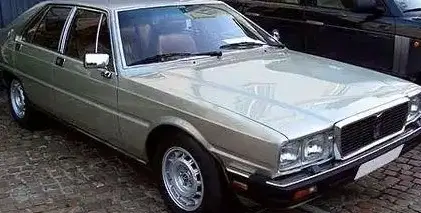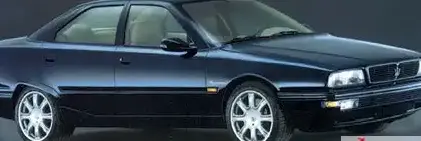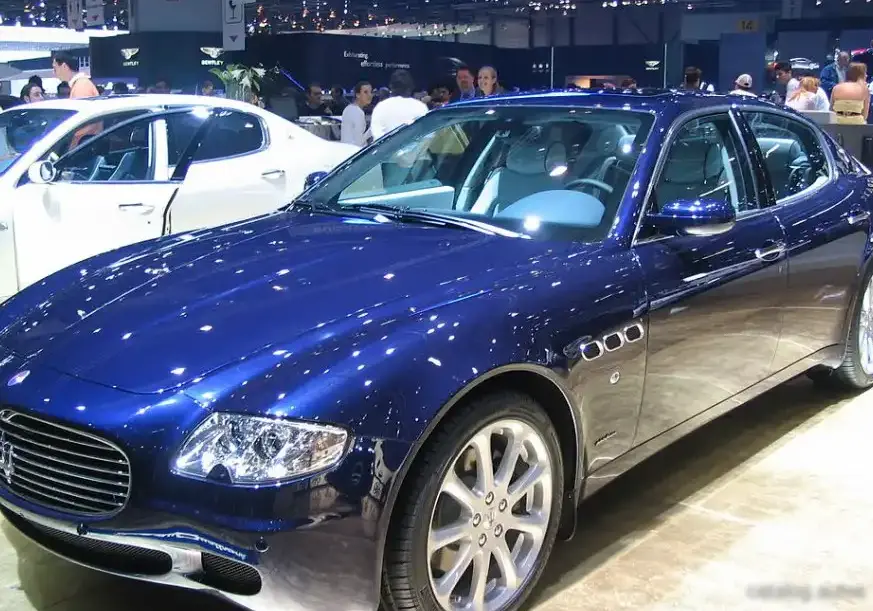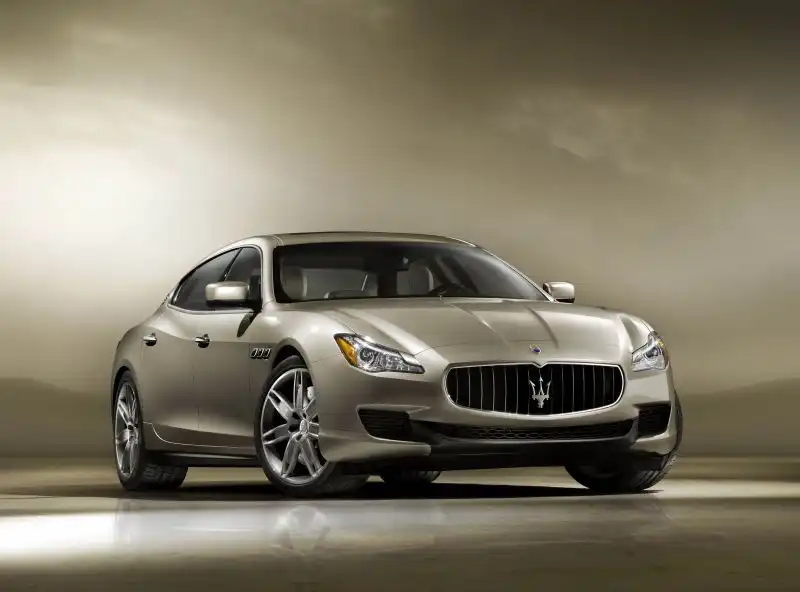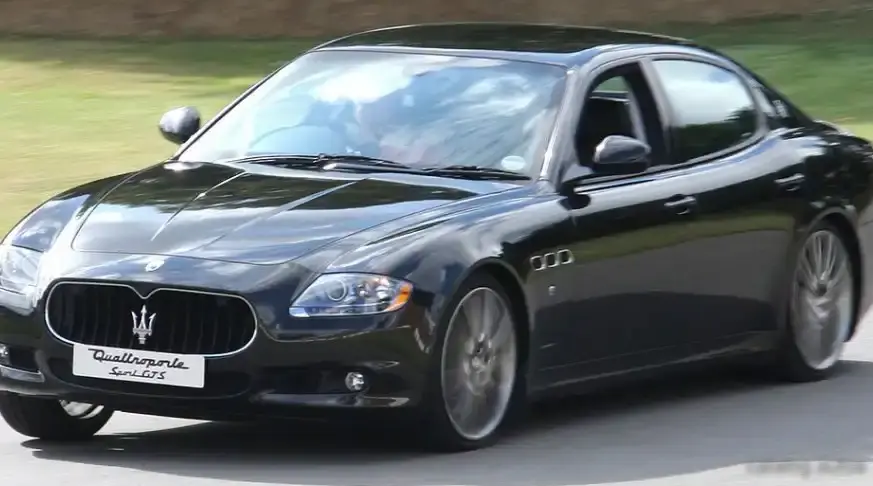
The Maserati Quattroporte Sport GT S 4.7, produced between 2008 and 2012, represented a significant evolution of Maserati’s flagship sedan. Positioned as a performance-oriented variant within the fourth generation (M90) Quattroporte lineup, it aimed to bridge the gap between the more luxurious standard models and the extreme performance of potential future iterations. This model year saw refinements to the Pininfarina-designed body, and a focus on enhancing the driving experience through a more powerful engine and sport-tuned chassis components. The Sport GT S 4.7 was primarily marketed towards discerning buyers seeking a blend of Italian luxury, exhilarating performance, and a distinctive exhaust note.
Technical Specifications
| Brand | Maserati |
| Model | Quattroporte |
| Generation | Quattroporte Sport GT S |
| Type (Engine) | 4.7 (440 Hp) |
| Start of production | 2008 |
| End of production | 2012 |
| Powertrain Architecture | Internal Combustion engine |
| Body type | Sedan |
| Seats | 5 |
| Doors | 4 |
| Fuel consumption (urban) | 23.95 l/100 km (9.8 US mpg, 11.8 UK mpg, 4.2 km/l) |
| Fuel consumption (extra urban) | 10.91 l/100 km (21.6 US mpg, 25.9 UK mpg, 9.2 km/l) |
| Fuel consumption (combined) | 15.71 l/100 km (15 US mpg, 18 UK mpg, 6.4 km/l) |
| Fuel Type | Petrol (Gasoline) |
| Acceleration 0 – 100 km/h | 5.1 sec |
| Acceleration 0 – 62 mph | 5.1 sec |
| Acceleration 0 – 60 mph | 4.8 sec |
| Maximum speed | 285 km/h (177.09 mph) |
| Weight-to-power ratio | 4.5 kg/Hp, 221.1 Hp/tonne |
| Weight-to-torque ratio | 4.1 kg/Nm, 246.2 Nm/tonne |
| Power | 440 Hp @ 7000 rpm |
| Power per litre | 93.8 Hp/l |
| Torque | 490 Nm @ 4750 rpm (361.41 lb.-ft. @ 4750 rpm) |
| Engine Model/Code | M139S |
| Engine displacement | 4691 cm3 (286.26 cu. in.) |
| Cylinder Bore | 94 mm (3.7 in.) |
| Piston Stroke | 85 mm (3.35 in.) |
| Compression ratio | 11:1 |
| Engine aspiration | Naturally aspirated engine |
| Engine oil capacity | 9 l (9.51 US qt | 7.92 UK qt) |
| Coolant | 13 l (13.74 US qt | 11.44 UK qt) |
| Kerb Weight | 1990 kg (4387.2 lbs.) |
| Max. weight | 2365 kg (5213.93 lbs.) |
| Max load | 375 kg (826.73 lbs.) |
| Trunk (boot) space – minimum | 450 l (15.89 cu. ft.) |
| Fuel tank capacity | 90 l (23.78 US gal | 19.8 UK gal) |
| Length | 5097 mm (200.67 in.) |
| Width | 1885 mm (74.21 in.) |
| Height | 1423 mm (56.02 in.) |
| Wheelbase | 3064 mm (120.63 in.) |
| Front track | 1582 mm (62.28 in.) |
| Rear (Back) track | 1595 mm (62.8 in.) |
| Minimum turning circle | 12.3 m (40.35 ft.) |
Powertrain & Engine Architecture
The heart of the Quattroporte Sport GT S 4.7 is the M139S engine, a 4.7-liter naturally aspirated V8. This engine is derived from the Ferrari/Maserati F136 engine family, showcasing a 90-degree V-angle. It features four valves per cylinder, dual overhead camshafts, and a variable valve timing system. The engine utilizes a multi-point fuel injection system, delivering precise fuel metering for optimal performance and efficiency. The 4.7-liter V8 produces 440 horsepower at 7,000 rpm and 490 Nm (361 lb-ft) of torque at 4,750 rpm. The engine’s architecture prioritizes smooth power delivery and a characteristic Italian V8 sound. The transmission is a six-speed automatic, specifically a ZF 6HP26 unit. This transmission offers a balance between responsiveness and comfort, with manual shift capabilities via steering wheel-mounted paddles. The drivetrain is rear-wheel drive, contributing to the car’s dynamic handling characteristics.
Driving Characteristics
The Quattroporte Sport GT S 4.7 delivers a noticeably more engaging driving experience compared to the standard Quattroporte models. The 4.7-liter V8 provides strong acceleration, achieving 0-60 mph in approximately 4.8 seconds. The six-speed automatic transmission, while not as quick-shifting as some dual-clutch transmissions, offers smooth and predictable gear changes. The Sport GT S benefits from a slightly stiffer suspension setup and a more aggressive exhaust note, enhancing the sense of performance. The gear ratios are tuned to provide a good balance between acceleration and cruising comfort. While the car is relatively large, the rear-wheel-drive configuration and well-tuned chassis contribute to surprisingly agile handling for its size. Compared to the 4.2-liter V8 found in earlier Quattroportes, the 4.7-liter engine offers increased power and torque throughout the rev range.
Equipment & Trim Levels
The Sport GT S trim level came standard with a number of features designed to enhance both luxury and performance. Interior appointments typically included leather upholstery, wood trim, and aluminum pedals. Standard equipment also included a premium audio system, navigation system, and bi-xenon headlights. Optional extras included a panoramic sunroof, upgraded leather options, and a rear-seat entertainment system. The Sport GT S also featured unique exterior styling cues, such as a more aggressive front bumper, side skirts, and a rear spoiler. The interior dashboard configuration was largely consistent with other fourth-generation Quattroportes, but the Sport GT S often featured sport seats with enhanced bolstering.
Chassis & Braking
The Quattroporte Sport GT S utilizes a double-wishbone suspension setup at the front and a multi-link suspension at the rear. The suspension is tuned for a balance between comfort and handling, with slightly stiffer springs and dampers compared to the standard Quattroporte. Braking duties are handled by ventilated disc brakes at all four corners. The front brakes measure 350mm in diameter, while the rear brakes measure 330mm. The braking system is assisted by ABS and electronic brakeforce distribution. Stabilizer bars are fitted to both the front and rear axles to reduce body roll during cornering. The car rides on 20-inch alloy wheels, which contribute to its sporty appearance and improved handling.
Market Reception & Comparison
The Quattroporte Sport GT S 4.7 was generally well-received by automotive critics. Reviewers praised its powerful engine, engaging driving dynamics, and luxurious interior. However, some critics noted the car’s relatively high fuel consumption and its substantial weight. Compared to the standard Quattroporte 4.2, the Sport GT S offered a more focused driving experience, but at the expense of some comfort. Compared to competitors such as the Porsche Panamera and BMW 7 Series, the Quattroporte Sport GT S offered a unique blend of Italian style and performance. Reliability was generally considered to be average for a luxury car of this type, with some owners reporting issues with the electronic systems.
Legacy
The Maserati Quattroporte Sport GT S 4.7 remains a desirable vehicle in the used car market. The M139S engine is known for its durability and relatively straightforward maintenance, although parts can be expensive. The six-speed automatic transmission is also generally reliable. The car’s distinctive styling and engaging driving dynamics continue to appeal to enthusiasts. While fuel economy is not a strong point, the Quattroporte Sport GT S offers a unique and rewarding driving experience that sets it apart from more modern luxury sedans. Its status as a final evolution of the fourth-generation Quattroporte contributes to its collectibility and enduring appeal.