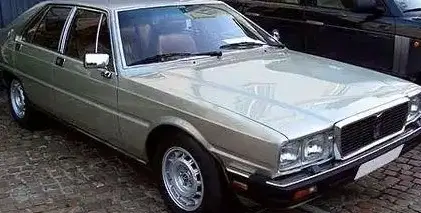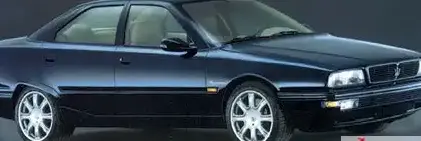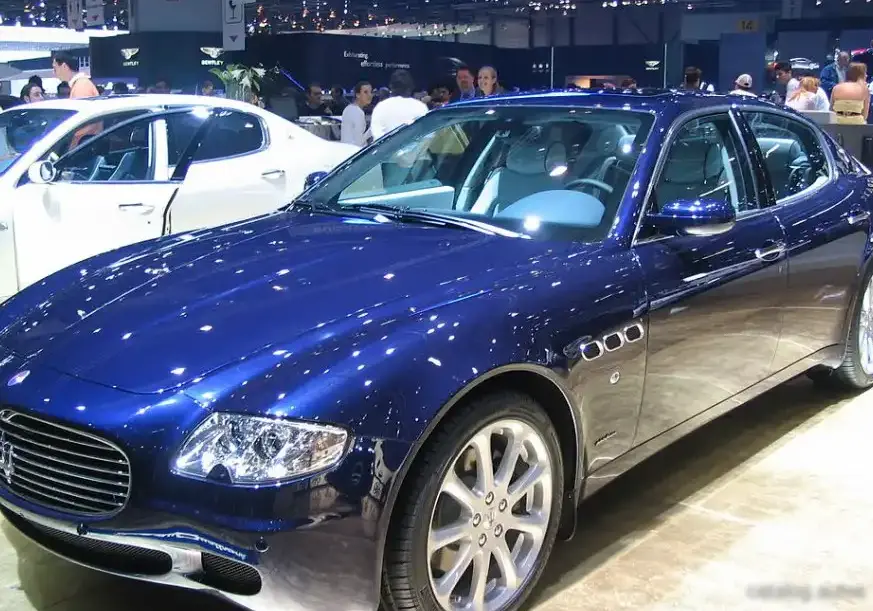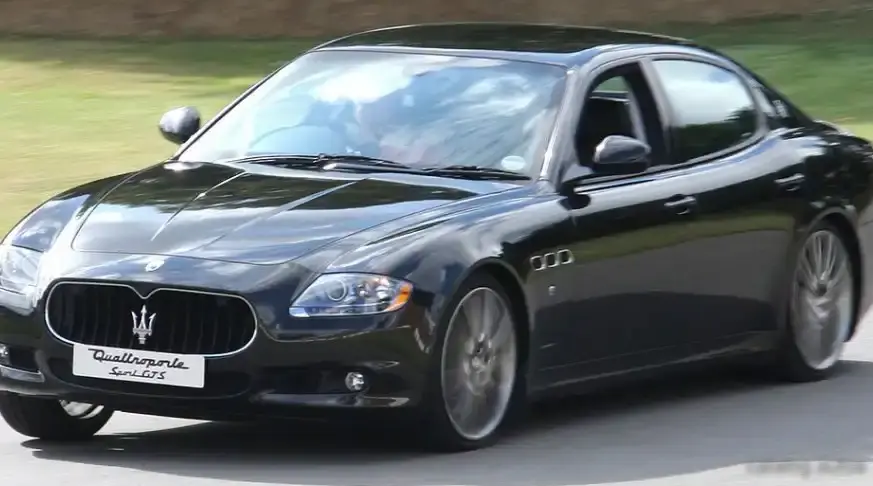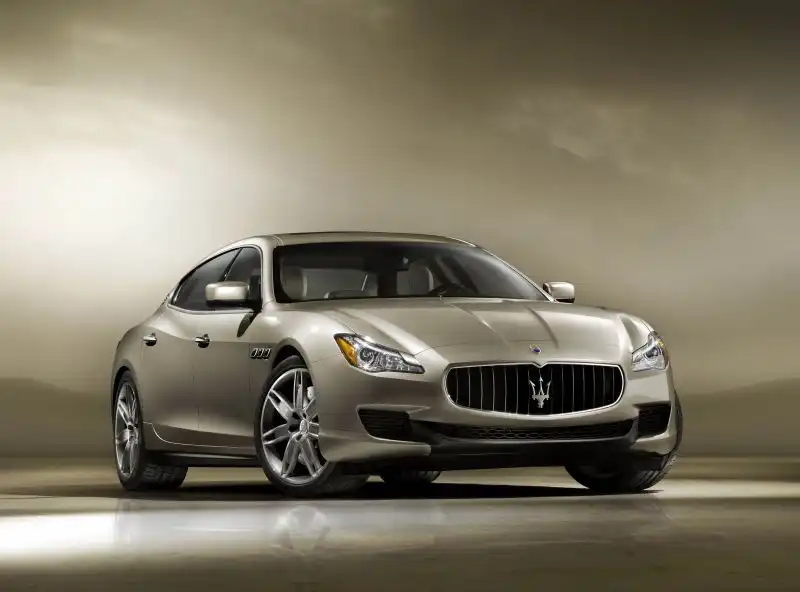
The Maserati Quattroporte VI (M156) 3.0 V6, produced from 2015 to 2016, represents a significant evolution in Maserati’s flagship sedan. Positioned as a core model within the sixth generation of the Quattroporte – designated M156 – this variant aimed to broaden the car’s appeal by offering a more accessible entry point into the Maserati experience while still delivering the brand’s signature luxury and performance. It slotted between the more potent V8 models and potential future, lower-displacement options in the lineup. The M156 generation marked a departure from previous iterations, utilizing a new platform and a focus on both dynamic handling and improved fuel efficiency, a crucial consideration for the luxury sedan segment.
Technical Specifications
| Brand | Maserati |
| Model | Quattroporte |
| Generation | Quattroporte VI (M156) |
| Type (Engine) | 3.0 V6 (330 Hp) Automatic |
| Start of production | 2015 |
| End of production | 2016 |
| Powertrain Architecture | Internal Combustion engine |
| Body type | Sedan |
| Seats | 5 |
| Doors | 4 |
| Fuel consumption (urban) | 13.1 l/100 km (18 US mpg, 21.6 UK mpg, 7.6 km/l) |
| Fuel consumption (extra urban) | 6.8 l/100 km (34.6 US mpg, 41.5 UK mpg, 14.7 km/l) |
| Fuel consumption (combined) | 9.1 l/100 km (25.8 US mpg, 31 UK mpg, 11 km/l) |
| CO2 emissions | 212 g/km |
| Fuel Type | Petrol (Gasoline) |
| Acceleration 0 – 100 km/h | 6.8 sec |
| Acceleration 0 – 62 mph | 6.8 sec |
| Acceleration 0 – 60 mph | 6.5 sec |
| Maximum speed | 240 km/h (149.13 mph) |
| Emission standard | Euro 6 |
| Weight-to-power ratio | 5.3 kg/Hp, 187.5 Hp/tonne |
| Weight-to-torque ratio | 3.5 kg/Nm, 284.1 Nm/tonne |
| Power | 330 Hp @ 5000 rpm |
| Power per litre | 110.8 Hp/l |
| Torque | 500 Nm @ 1750-5000 rpm (368.78 lb.-ft. @ 1750-5000 rpm) |
| Engine layout | Front, Longitudinal |
| Engine Model/Code | M156C |
| Engine displacement | 2979 cm3 (181.79 cu. in.) |
| Number of cylinders | 6 |
| Engine configuration | V-engine |
| Cylinder Bore | 83 mm (3.27 in.) |
| Piston Stroke | 92 mm (3.62 in.) |
| Compression ratio | 16.5:1 |
| Fuel injection system | Direct injection |
| Engine aspiration | BiTurbo, Intercooler |
| Engine oil capacity | 7.2 l (7.61 US qt | 6.34 UK qt) |
| Coolant | 9.2 l (9.72 US qt | 8.09 UK qt) |
| Kerb Weight | 1760 kg (3880.14 lbs.) |
| Trunk (boot) space – minimum | 530 l (18.72 cu. ft.) |
| Fuel tank capacity | 80 l (21.13 US gal | 17.6 UK gal) |
| Length | 5262 mm (207.17 in.) |
| Width | 1948 mm (76.69 in.) |
| Width including mirrors | 2100 mm (82.68 in.) |
| Height | 1481 mm (58.31 in.) |
| Wheelbase | 3171 mm (124.84 in.) |
| Front track | 1634 mm (64.33 in.) |
| Rear (Back) track | 1647 mm (64.84 in.) |
| Minimum turning circle | 11.8 m (38.71 ft.) |
| Drivetrain Architecture | Rear wheel drive |
| Number of gears and type of gearbox | 8 gears, automatic transmission |
| Front brakes | Ventilated discs |
| Rear brakes | Ventilated discs |
| Assisting systems | ABS (Anti-lock braking system) |
| Steering type | Steering rack and pinion |
| Power steering | Electric Steering |
| Tires size | 245/45 R19; 275/40 R19 |
| Wheel rims size | 19 |
Powertrain & Engine Architecture
The heart of the Quattroporte VI 3.0 V6 is the M156C engine, a 3.0-liter twin-turbocharged V6. This engine represents a significant shift for Maserati, moving away from naturally aspirated engines in this segment. The engine utilizes direct fuel injection and a sophisticated engine management system to optimize performance and efficiency. The twin-turbocharger setup, employing a pair of BorgWarner turbochargers, delivers a broad torque curve, peaking at 500 Nm (368.78 lb-ft) between 1750 and 5000 rpm. The engine’s 60-degree V-angle contributes to a smoother power delivery and reduced vibrations. Paired with this engine is an 8-speed automatic transmission sourced from ZF. This transmission is known for its smooth and quick shifts, contributing to both performance and comfort. The transmission’s wide gear ratio spread allows for both efficient cruising and responsive acceleration.
Driving Characteristics
The 330 horsepower and 500 Nm of torque provided by the 3.0 V6 automatic powertrain deliver a compelling driving experience. Acceleration from 0 to 60 mph takes approximately 6.5 seconds, and the car reaches a top speed of 240 km/h (149 mph). While not as overtly aggressive as the V8 models, the V6 offers ample power for everyday driving and confident overtaking. The 8-speed automatic transmission is well-tuned, providing smooth gear changes and a responsive feel. Compared to the manual transmission options available on other Quattroporte variants, the automatic prioritizes comfort and ease of use. The gear ratios are optimized for both acceleration and fuel economy, making it a suitable choice for long-distance journeys. The rear-wheel-drive configuration contributes to a balanced handling characteristic, although it doesn’t offer the all-weather capability of all-wheel-drive systems.
Equipment & Trim Levels
The 3.0 V6 Automatic Quattroporte typically came well-equipped, reflecting Maserati’s luxury positioning. Standard features included leather upholstery, power-adjustable front seats, a premium audio system, dual-zone climate control, and a comprehensive suite of safety features. The interior design emphasized Italian craftsmanship and attention to detail. Optional extras included upgraded leather packages, wood trim options, a rear-seat entertainment system, and advanced driver-assistance systems such as adaptive cruise control and blind-spot monitoring. Trim levels were relatively streamlined, with options primarily revolving around personalization choices rather than significant feature differences.
Chassis & Braking
The Quattroporte VI utilizes a steel chassis with aluminum components to reduce weight and enhance rigidity. The suspension system features double wishbones at the front and a multi-link setup at the rear, providing a comfortable ride and precise handling. The 3.0 V6 models typically featured ventilated disc brakes on all four wheels, providing ample stopping power. Anti-lock braking system (ABS) and electronic stability control (ESC) were standard safety features. The suspension tuning was generally softer than that of the V8 models, prioritizing ride comfort over outright sportiness. Stabilizer bars were employed to minimize body roll during cornering.
Market Reception & Comparison
The 3.0 V6 Automatic Quattroporte was generally well-received by automotive critics. It was praised for its refined engine, comfortable ride, and luxurious interior. However, some reviewers noted that it lacked the visceral excitement of the V8 models. Fuel economy was a strong point, with combined fuel consumption figures of around 9.1 l/100 km (25.8 US mpg). Compared to the V8 variants, the V6 offered a more affordable entry point into the Quattroporte range, making it appealing to a wider audience. Reliability reports have been mixed, with some owners reporting issues with the turbochargers and electronic systems. However, these issues are not widespread and can often be addressed with proper maintenance.
Legacy
The Maserati Quattroporte VI 3.0 V6 represents a pivotal moment in Maserati’s history, marking the brand’s embrace of turbocharged engines and a focus on fuel efficiency. While the M156 generation was relatively short-lived, the 3.0 V6 powertrain continued to be used in subsequent Maserati models. On the used car market, these models offer a compelling combination of luxury, performance, and value. Regular maintenance and attention to potential turbocharger issues are crucial for long-term reliability. The Quattroporte VI 3.0 V6 remains a desirable choice for enthusiasts seeking a sophisticated and stylish Italian luxury sedan.