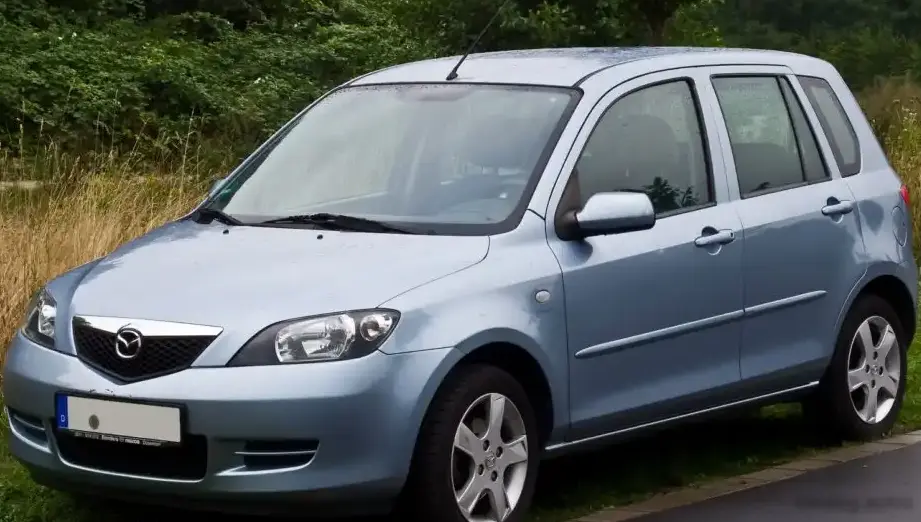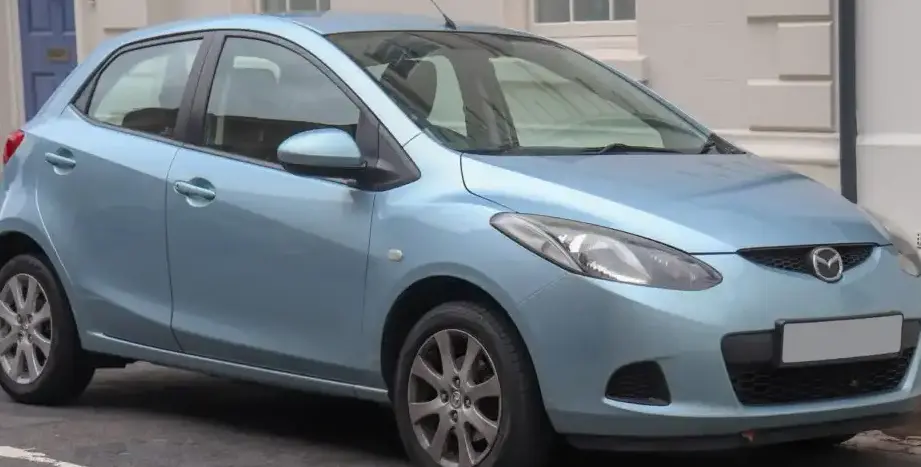
The Mazda 2 III Sedan (DL), specifically the facelifted version introduced in 2019, represented Mazda’s entry into the subcompact sedan market. Produced from 2019 through March 2022, this variant, powered by a 1.5-liter Skyactiv-G engine producing 109 horsepower and paired with a six-speed automatic transmission, was positioned as a fuel-efficient and practical option within the broader Mazda 2 lineup. It primarily served markets outside of North America, where Mazda focused on the hatchback version of the third-generation 2. The DL facelift brought subtle styling updates and refinements to the existing platform, aiming to enhance its appeal to budget-conscious buyers seeking a reliable and well-equipped small car.
Technical Specifications
| Brand | Mazda |
| Model | 2 |
| Generation | III Sedan (DL, facelift 2019) |
| Type (Engine) | 1.5 Skyactiv-G (109 Hp) Automatic |
| Start of production | 2019 |
| End of production | March, 2022 |
| Powertrain Architecture | Internal Combustion engine |
| Body type | Sedan |
| Seats | 5 |
| Doors | 4 |
| Fuel consumption (combined) | 4.9 l/100 km (48 US mpg, 57.6 UK mpg, 20.4 km/l) |
| CO2 emissions | 116.4-116.5 g/km |
| Fuel Type | Petrol (Gasoline) |
| Weight-to-power ratio | 10.3 kg/Hp, 97.5 Hp/tonne |
| Weight-to-torque ratio | 7.9 kg/Nm, 126.1 Nm/tonne |
| Power | 109 Hp @ 6000 rpm |
| Power per litre | 72.9 Hp/l |
| Torque | 141 Nm @ 4000 rpm (104 lb.-ft. @ 4000 rpm) |
| Engine layout | Front, Transverse |
| Engine displacement | 1496 cm3 (91.29 cu. in.) |
| Number of cylinders | 4 |
| Engine configuration | Inline |
| Number of valves per cylinder | 4 |
| Fuel injection system | Direct injection |
| Engine oil capacity | 4.2 l (4.44 US qt | 3.7 UK qt) |
| Coolant capacity | 5.6 l (5.92 US qt | 4.93 UK qt) |
| Kerb Weight | 1118 kg (2464.77 lbs.) |
| Max. weight | 1550 kg (3417.17 lbs.) |
| Max load | 432 kg (952.4 lbs.) |
| Trunk (boot) space – minimum | 410 l (14.48 cu. ft.) |
| Fuel tank capacity | 44 l (11.62 US gal | 9.68 UK gal) |
| Length | 4340 mm (170.87 in.) |
| Width including mirrors | 1983 mm (78.07 in.) |
| Height | 1470 mm (57.87 in.) |
| Drivetrain Architecture | Front wheel drive, Internal Combustion engine |
| Number of gears and type of gearbox | 6 gears, automatic transmission |
| Front suspension | Independent, type McPherson with coil spring and anti-roll bar |
| Rear suspension | Torsion |
| Front brakes | Ventilated discs |
| Rear brakes | Drum |
| Assisting systems | ABS (Anti-lock braking system), Electric Power Steering |
| Tires size | 185/65 R15; 185/60 R16 |
| Wheel rims size | 15; 16 |
Powertrain & Engine Architecture
The heart of this Mazda 2 variant is the 1.5-liter Skyactiv-G inline-four cylinder engine. This engine, designated as a PE-VPH, is a key component of Mazda’s Skyactiv technology, designed to maximize fuel efficiency and reduce emissions. It features direct injection, a high compression ratio (typically around 14:1), and optimized intake and exhaust systems. The engine utilizes a variable valve timing system to improve performance across the rev range. The 109 horsepower output is achieved at 6000 rpm, with peak torque of 141 Nm (104 lb-ft) delivered at 4000 rpm. The engine is transversely mounted at the front of the vehicle. The six-speed automatic transmission, while providing convenience, is a conventional torque-converter type, prioritizing smooth shifts over outright performance. It’s designed to work in harmony with the engine’s characteristics, offering a balance between fuel economy and drivability.
Driving Characteristics
The 1.5-liter engine and automatic transmission combination delivers adequate, but not exhilarating, performance. Acceleration is best described as leisurely, with a 0-60 mph time estimated around 11-12 seconds. The automatic transmission is programmed for fuel efficiency, meaning it upshifts quickly and doesn’t hold lower gears for extended periods. This can result in a slight delay in response when accelerating, particularly when overtaking. Compared to the manual transmission version of the same engine, the automatic sacrifices some responsiveness. Higher-output versions of the Mazda 2, such as those found in the Japanese market, offer significantly more spirited driving experiences. However, the automatic’s smooth shifting and ease of use make it a popular choice for urban commuting and drivers prioritizing comfort.
Equipment & Trim Levels
The 1.5 Skyactiv-G Automatic trim typically came standard with features such as air conditioning, power windows and locks, a basic audio system with USB connectivity, and ABS brakes. Higher trim levels, often denoted by names like “Sport” or “Touring,” added features like alloy wheels, a touchscreen infotainment system, Bluetooth connectivity, and a rearview camera. Interior upholstery was generally cloth, with options for upgraded materials on higher trims. Safety features included multiple airbags and stability control. The overall interior design was functional and well-built, reflecting Mazda’s reputation for quality.
Chassis & Braking
The Mazda 2 III Sedan utilizes a front-wheel-drive layout with an independent McPherson strut suspension in the front and a torsion beam suspension in the rear. This setup provides a reasonable balance between ride comfort and handling. The front brakes are ventilated discs, offering good stopping power, while the rear brakes are drums, a cost-saving measure common in this segment. Electric power steering provides light and easy steering, making it ideal for city driving. Stabilizer bars are fitted to both the front and rear axles to reduce body roll during cornering.
Market Reception & Comparison
The 1.5-liter automatic variant of the Mazda 2 III Sedan was generally well-received by critics as a practical and economical choice. Its fuel efficiency was a major selling point, and its build quality was praised. However, some reviewers noted its lack of outright performance compared to competitors with more powerful engines or manual transmissions. Compared to the diesel-powered versions of the Mazda 2, the 1.5-liter gasoline engine offered lower torque but was generally quieter and smoother. In terms of reliability, the Skyactiv-G engine has proven to be relatively robust, with few major issues reported.
Legacy
The Mazda 2 III Sedan 1.5 Skyactiv-G Automatic has established itself as a reliable and affordable used car option. Its fuel efficiency and relatively low maintenance costs make it an attractive choice for budget-conscious buyers. While not a performance standout, its comfortable ride and well-equipped interior contribute to its overall appeal. The Skyactiv engine’s reputation for longevity ensures that well-maintained examples continue to provide years of dependable service. As the automotive industry shifts towards electrification, this variant represents a final iteration of Mazda’s traditional gasoline-powered small car offerings.