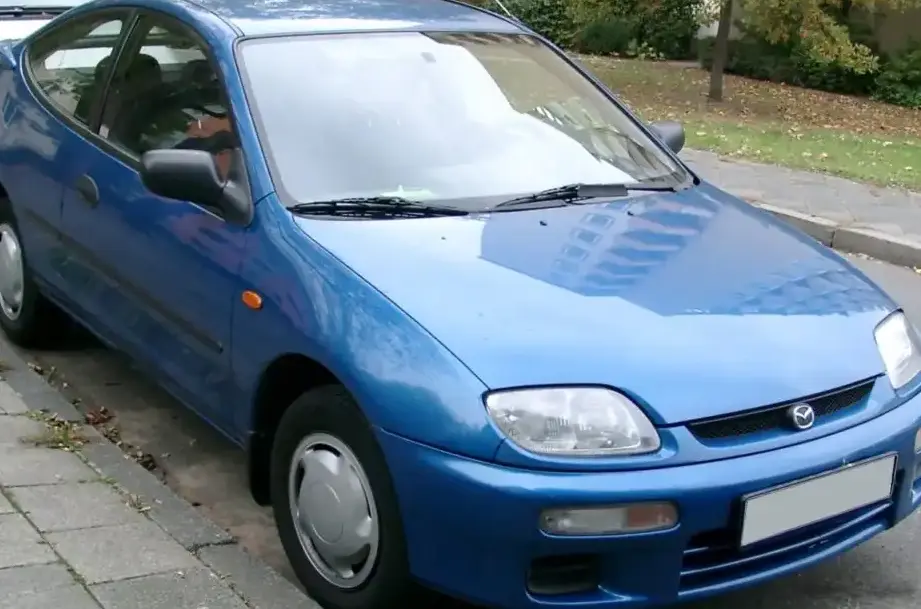
The Mazda 323 C IV (BG) 1.7 D, produced between 1989 and 1994, represented Mazda’s entry into the European compact diesel market. Part of the broader BG series 323 range, this variant offered a fuel-efficient and practical option for buyers prioritizing economy over outright performance. The BG generation was a significant step forward for Mazda in terms of styling and build quality, aiming to compete directly with established European rivals like the Volkswagen Golf and Ford Escort. The 1.7 D model, with its modest 56 horsepower, served as the base engine option, appealing to a segment of the market seeking low running costs and reliability. It was primarily sold in Europe and other markets where diesel fuel was readily available and economically advantageous.
Technical Specifications
| Brand | Mazda |
| Model | 323 |
| Generation | 323 C IV (BG) |
| Type (Engine) | 1.7 D (56 Hp) |
| Start of production | 1989 |
| End of production | 1994 |
| Powertrain Architecture | Internal Combustion engine |
| Body type | Hatchback |
| Seats | 5 |
| Doors | 5 |
| Fuel consumption (combined) | 5 l/100 km (47 US mpg, 56.5 UK mpg, 20 km/l) |
| Fuel Type | Diesel |
| Maximum speed | 150 km/h (93.21 mph) |
| Power | 56 Hp |
| Engine Model/Code | PN54 |
| Fuel injection system | Precombustion chamber injection |
| Engine aspiration | Naturally aspirated engine |
| Engine oil capacity | 3.9 l (4.12 US qt, 3.43 UK qt) |
| Coolant capacity | 6 l (6.34 US qt, 5.28 UK qt) |
| Fuel tank capacity | 50 l (13.21 US gal, 11 UK gal) |
| Number of gears and type of gearbox | 5 gears, manual transmission |
| Front brakes | Disc |
| Rear brakes | Drum |
| Tires size | 175/70 R13 |
| Wheel rims size | 13 |
Powertrain & Engine Architecture
The heart of the 323 C IV 1.7 D was the PN54 engine, a 1.7-liter inline-four diesel. This engine utilized a precombustion chamber injection system, a common technology for diesel engines of the era. This system involved injecting fuel into a small precombustion chamber connected to the main cylinder, where it was partially ignited before entering the main combustion chamber. This aided in cold starting and reduced engine noise compared to direct injection systems. The PN54 engine was naturally aspirated, meaning it did not employ a turbocharger or supercharger. This contributed to its relatively low power output of 56 horsepower and modest torque figures. The engine’s design prioritized durability and fuel efficiency over high performance. The five-speed manual transmission was the only gearbox option available with this engine, geared towards maximizing fuel economy and providing adequate, if not exhilarating, acceleration.
Driving Characteristics
The driving experience in the 323 C IV 1.7 D was characterized by its practicality and economy. Acceleration was leisurely, with a 0-60 mph time estimated to be well over 15 seconds. The engine’s torque curve was relatively flat, providing usable power across a narrow rev range. The five-speed gearbox allowed drivers to keep the engine in its optimal operating range for fuel efficiency. Compared to the gasoline-powered versions of the 323, the 1.7 D lacked the responsiveness and higher top speed. However, it offered significantly better fuel economy, making it a popular choice for drivers covering long distances. The suspension was tuned for comfort, providing a reasonably smooth ride, although it wasn’t particularly sporty. The steering was light and easy to use, making it well-suited for urban driving.
Equipment & Trim Levels
The 1.7 D variant of the Mazda 323 C IV typically represented the entry-level trim. Standard equipment generally included basic features such as cloth upholstery, a simple dashboard layout, and manual windows and door locks. Power steering was often included, but air conditioning and central locking were usually optional extras. The interior was functional and durable, prioritizing practicality over luxury. Higher trim levels of the 323, such as those equipped with the 1.6 or 1.8 gasoline engines, offered more luxurious features like upgraded upholstery, alloy wheels, and a more comprehensive instrument panel. The 1.7 D was often seen as a workhorse model, appealing to buyers who valued affordability and reliability above all else.
Chassis & Braking
The 323 C IV featured a relatively conventional chassis design for a front-wheel-drive hatchback. It utilized a MacPherson strut suspension at the front and a torsion beam suspension at the rear. The front brakes were disc brakes, providing adequate stopping power, while the rear brakes were drum brakes, a cost-saving measure common in entry-level models of the time. The tires were typically 175/70 R13, chosen for their balance of grip, comfort, and fuel efficiency. The suspension was tuned for a comfortable ride, but it wasn’t particularly sporty. A stabilizer bar was included at the front to reduce body roll during cornering, but the overall handling was geared towards stability and predictability rather than dynamic performance.
Market Reception & Comparison
The Mazda 323 C IV 1.7 D received generally positive reviews for its fuel efficiency and reliability. Critics acknowledged its modest performance but praised its practicality and low running costs. Compared to other diesel-powered hatchbacks of the era, such as the Volkswagen Golf Diesel and Ford Escort Diesel, the 323 1.7 D offered a competitive fuel economy and a similar level of performance. However, some critics noted that the interior was somewhat basic compared to its rivals. The 1.7 D was often seen as a sensible and economical choice for drivers who prioritized practicality over excitement. Its lower price point compared to the gasoline-powered models made it an attractive option for budget-conscious buyers.
Legacy
The Mazda 323 C IV 1.7 D, while not a performance icon, has proven to be a durable and reliable vehicle. The PN54 engine, despite its age, is known for its longevity and relatively simple maintenance requirements. Today, these cars are increasingly rare, but well-maintained examples are sought after by enthusiasts and collectors. The 1.7 D powertrain is generally considered to be robust and capable of covering high mileage with proper care. Its simplicity makes it relatively easy to repair and maintain, even for amateur mechanics. While it may not offer the same level of refinement or technology as modern vehicles, the 323 C IV 1.7 D remains a testament to Mazda’s commitment to building practical and dependable cars.