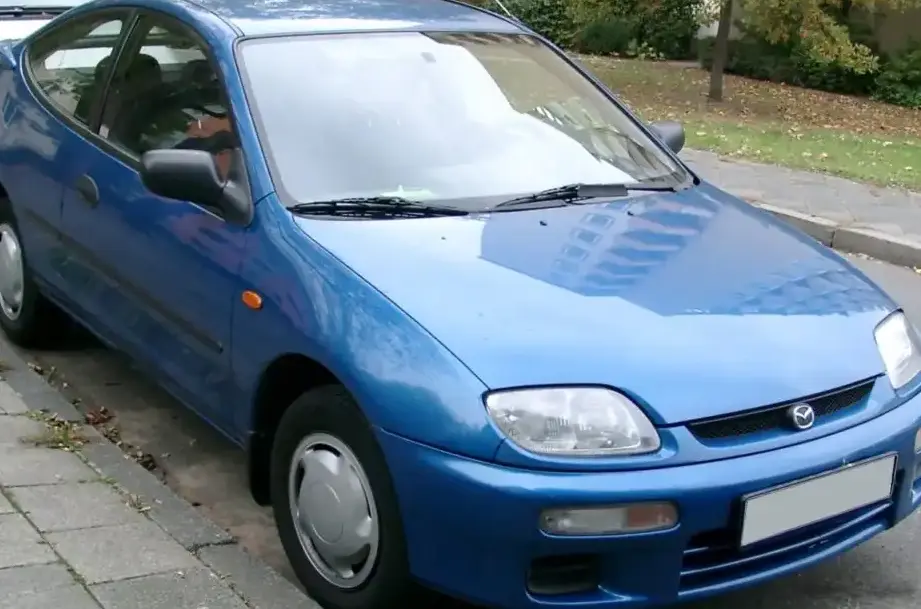
The Mazda 323 C IV (BG) 1.8 16V 4WD, produced between 1991 and 1993, represents a significant iteration of Mazda’s compact offering. Falling within the fourth generation of the 323, known internally as the BG platform, this variant aimed to provide a blend of practicality, all-weather capability, and reasonable performance for the European and Japanese markets. While not widely sold in the United States, the 323 C IV was a popular choice for buyers seeking a well-rounded, affordable hatchback. This specific 1.8-liter, 16-valve, four-wheel-drive configuration occupied a mid-range position within the BG lineup, offering a step up in performance and grip compared to the base models while remaining more accessible than the higher-performance options.
Technical Specifications
| Brand | Mazda |
| Model | 323 |
| Generation | 323 C IV (BG) |
| Type (Engine) | 1.8 16V 4WD (103 Hp) |
| Start of production | 1991 |
| End of production | 1993 |
| Powertrain Architecture | Internal Combustion engine |
| Body type | Hatchback |
| Fuel Type | Petrol (Gasoline) |
| Power | 103 Hp |
| Engine aspiration | Naturally aspirated engine |
Powertrain & Engine Architecture
The heart of the 323 C IV 1.8 16V 4WD is the Mazda B8 engine, a 1.8-liter (1798cc) inline-four cylinder gasoline engine. This engine featured a dual overhead camshaft (DOHC) design with four valves per cylinder – hence the “16V” designation – contributing to improved breathing and higher-end power delivery. The B8 engine utilized multi-point fuel injection, a relatively advanced system for its time, enhancing fuel efficiency and reducing emissions. While specific fuel injection systems varied slightly depending on the market, most European and Japanese models employed a Bosch-based system. The engine’s block was cast iron, providing durability, while the cylinder head was aluminum alloy, helping to reduce weight.
The 4WD system employed in this variant was a viscous coupling system, automatically engaging the rear wheels when slippage was detected at the front. This provided enhanced traction in slippery conditions without the complexity or weight of a more sophisticated, electronically controlled system. The transmission paired with the B8 engine was a four-speed automatic. While not known for its sportiness, this automatic offered smooth shifts and ease of use, appealing to a broader range of drivers. The automatic transmission’s gear ratios were geared towards fuel economy and comfortable cruising, rather than outright acceleration.
Driving Characteristics
The 323 C IV 1.8 16V 4WD offered a balanced driving experience. With 103 horsepower and approximately 135 lb-ft of torque, acceleration was adequate for everyday driving, though not particularly brisk. The four-speed automatic transmission, while smooth, did contribute to some power loss compared to the available five-speed manual. The 0-60 mph time was estimated to be around 10-11 seconds. The all-wheel-drive system significantly improved handling and stability, particularly on wet or loose surfaces. The car felt planted and secure, inspiring confidence in challenging conditions. Compared to the base 1.5-liter models, the 1.8 16V offered noticeably more power and responsiveness. However, it didn’t possess the sharper handling or higher performance of the later, more powerful 2.0-liter versions.
Equipment & Trim Levels
The 323 C IV 1.8 16V 4WD typically came equipped with a reasonable level of standard features. Interior upholstery was usually cloth, with options for upgraded materials available. Power steering was standard, as were electric windows and central locking. Air conditioning was a common option, and higher trim levels might include features like a sunroof, upgraded audio systems, and alloy wheels. The dashboard layout was functional and straightforward, with clearly labeled controls. Safety features were relatively basic by modern standards, typically including seatbelts and a collapsible steering column. Trim levels varied by market, but generally, this 1.8 4WD variant sat in the mid-range, offering a good balance of features and affordability.
Chassis & Braking
The 323 C IV utilized a MacPherson strut front suspension and a torsion beam rear suspension. This setup provided a comfortable ride and predictable handling. The torsion beam rear suspension was a cost-effective solution that minimized complexity and weight. Braking on the 1.8 16V 4WD typically consisted of disc brakes on the front wheels and drum brakes on the rear. This configuration was common for vehicles in this class during the early 1990s. Anti-lock brakes (ABS) were available as an option, enhancing braking performance and safety. Stabilizer bars were fitted to both the front and rear axles, helping to reduce body roll during cornering.
Market Reception & Comparison
The Mazda 323 C IV 1.8 16V 4WD was generally well-received by automotive critics. It was praised for its practicality, comfortable ride, and all-weather capability. The 1.8-liter engine was considered a good compromise between performance and fuel economy, achieving around 28-32 mpg in mixed driving conditions. Compared to other trims in the lineup, the 1.8 4WD offered a noticeable performance advantage over the base models, while remaining more affordable and fuel-efficient than the higher-powered 2.0-liter versions. Competitors included the Ford Escort, Volkswagen Golf, and Opel Astra, all of which offered similar levels of practicality and performance. The Mazda’s all-wheel-drive system gave it a distinct advantage in regions with harsh winters or challenging road conditions.
Legacy
The Mazda 323 C IV 1.8 16V 4WD has proven to be a relatively reliable vehicle, with many examples still on the road today. The B8 engine is known for its durability, although regular maintenance is essential to prevent issues such as oil leaks and timing belt failure. The four-speed automatic transmission is generally reliable, but can be prone to wear and tear over time. In the used car market, these 323s are often sought after by enthusiasts and collectors, particularly those looking for a well-maintained example with low mileage. Parts availability can be a challenge in some regions, but many components are still available through specialist suppliers. The 323 C IV 1.8 16V 4WD represents a solid and dependable compact hatchback from a period when Mazda was establishing itself as a maker of fun-to-drive and reliable vehicles.