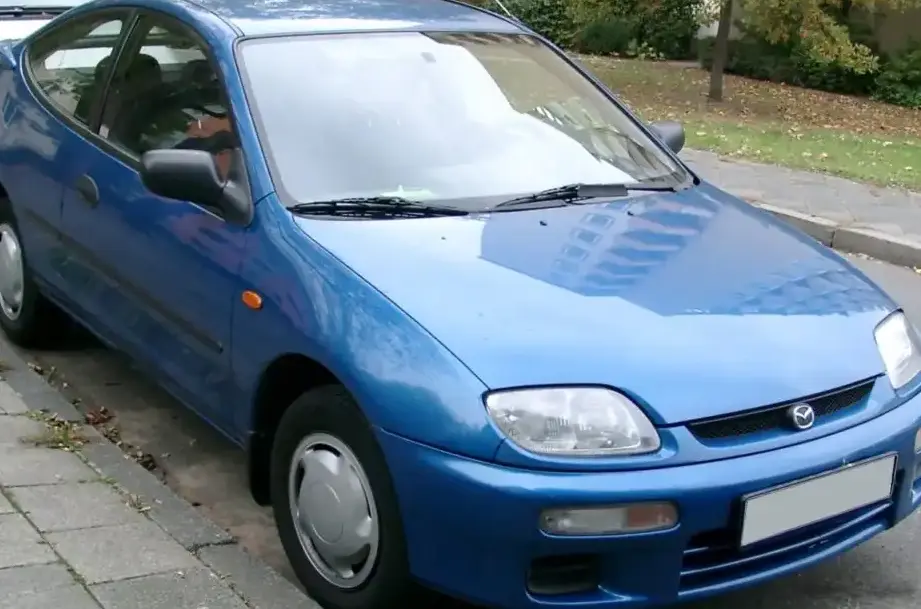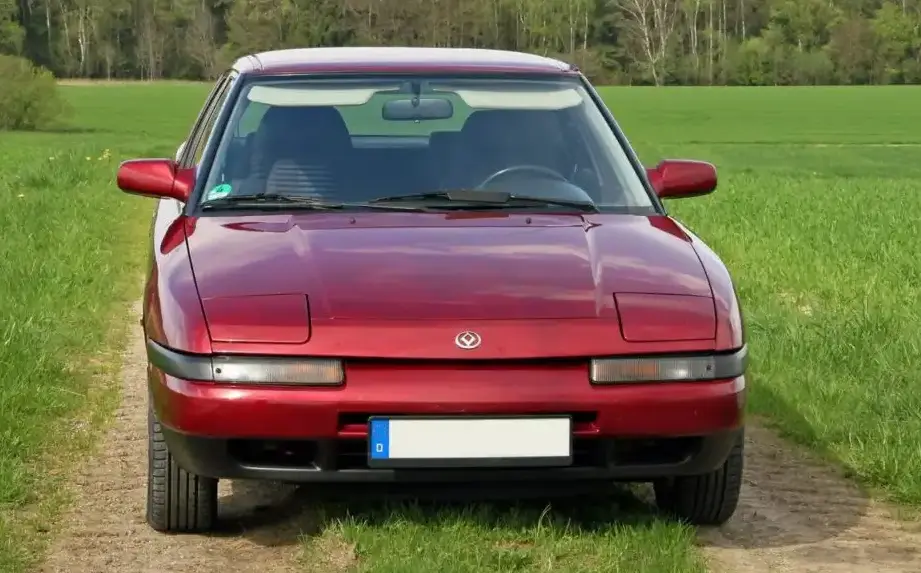
The Mazda 323 F IV (BG), produced between 1991 and 1995, represented Mazda’s entry into the competitive compact hatchback segment. This fourth generation of the 323, known as the Familia in Japan, was a significant step forward in terms of styling, handling, and overall refinement. The 1.6 16V variant, producing 88 horsepower, occupied a middle ground within the BG lineup, offering a balance between affordability, fuel economy, and acceptable performance. It was positioned as a practical and reliable choice for everyday commuting and family use, particularly in European and Asian markets where compact hatchbacks were highly popular. This model was a key part of Mazda’s strategy to broaden its appeal and compete with established rivals like the Volkswagen Golf and Ford Escort.
Technical Specifications
| Brand | Mazda |
| Model | 323 |
| Generation | 323 F IV (BG) |
| Type (Engine) | 1.6 16V (88 Hp) |
| Start of production | 1991 |
| End of production | 1995 |
| Powertrain Architecture | Internal Combustion engine |
| Body type | Hatchback |
| Seats | 5 |
| Doors | 5 |
| Fuel consumption (combined) | 8 l/100 km (29.4 US mpg, 35.3 UK mpg, 12.5 km/l) |
| Fuel Type | Petrol (Gasoline) |
| Acceleration 0 – 100 km/h | 11.3 sec |
| Acceleration 0 – 62 mph | 11.3 sec |
| Acceleration 0 – 60 mph | 10.7 sec |
| Maximum speed | 182 km/h (113.09 mph) |
| Weight-to-power ratio | 11.3 kg/Hp, 88.9 Hp/tonne |
| Weight-to-torque ratio | 7.3 kg/Nm, 136.4 Nm/tonne |
| Power | 88 Hp @ 5300 rpm |
| Power per litre | 55.1 Hp/l |
| Torque | 135 Nm @ 4000 rpm (99.57 lb.-ft. @ 4000 rpm) |
| Engine layout | Front, Transverse |
| Engine displacement | 1598 cm3 (97.52 cu. in.) |
| Number of cylinders | 4 |
| Engine configuration | Inline |
| Cylinder Bore | 78 mm (3.07 in.) |
| Piston Stroke | 83.6 mm (3.29 in.) |
| Compression ratio | 9:1 |
| Number of valves per cylinder | 4 |
| Fuel injection system | Multi-port manifold injection |
| Engine aspiration | Naturally aspirated engine |
| Valvetrain | OHC |
| Kerb Weight | 990 kg (2182.58 lbs.) |
| Max. weight | 1430 kg (3152.61 lbs.) |
| Max load | 440 kg (970.03 lbs.) |
| Fuel tank capacity | 55 l (14.53 US gal | 12.1 UK gal) |
| Length | 4260 mm (167.72 in.) |
| Width | 1680 mm (66.14 in.) |
| Height | 1340 mm (52.76 in.) |
| Wheelbase | 2500 mm (98.43 in.) |
| Front track | 1430 mm (56.3 in.) |
| Rear track | 1435 mm (56.5 in.) |
| Minimum turning circle | 9.8 m (32.15 ft.) |
| Drivetrain Architecture | Front wheel drive |
| Number of gears | 5 gears, manual transmission |
| Front suspension | Independent type McPherson |
| Rear suspension | Independent multi-link spring suspension with stabilizer |
| Front brakes | Disc |
| Rear brakes | Drum |
| Assisting systems | ABS (Anti-lock braking system) |
| Power steering | Hydraulic Steering |
| Tires size | 175/70 R13 |
| Wheel rims size | 13 |
Powertrain & Engine Architecture
The heart of the 323 F IV 1.6 16V was the Mazda B6 engine, specifically the B6-ZE variant in many markets. This 1.6-liter inline-four cylinder engine featured a single overhead camshaft (SOHC) design and four valves per cylinder, contributing to its relatively high output for its displacement. The engine utilized multi-port fuel injection, a significant improvement over earlier carburetor-equipped models, enhancing fuel efficiency and throttle response. The 16-valve configuration allowed for improved breathing and a broader powerband. The engine’s 9:1 compression ratio was a compromise between performance and the ability to run on readily available fuel grades. The five-speed manual transmission was the standard offering, providing a direct connection between the engine and the front wheels. The transmission’s gear ratios were tuned for a balance of acceleration and fuel economy, with a relatively tall fifth gear for comfortable highway cruising.
Driving Characteristics
The 1.6 16V engine, while not exceptionally powerful, provided adequate performance for everyday driving. Acceleration from 0-60 mph took around 10.7 seconds, making it competitive with other vehicles in its class. The engine felt responsive at lower RPMs, thanks to the multi-port fuel injection, but power tapered off noticeably as the revs climbed. The five-speed manual transmission allowed drivers to keep the engine in its sweet spot, maximizing performance. Compared to the more powerful 1.8-liter versions, the 1.6 felt less strained during highway overtaking maneuvers. However, it offered a noticeable improvement in fuel economy. The handling was generally considered good for a front-wheel-drive hatchback, with a relatively neutral balance and predictable steering. The suspension provided a comfortable ride, absorbing bumps and imperfections in the road surface effectively.
Equipment & Trim Levels
The 1.6 16V trim typically included features such as power steering, central locking, and an AM/FM radio. Depending on the market and optional packages, features like electric windows, a sunroof, and upgraded interior trim were available. Interior upholstery was typically cloth, with a simple and functional dashboard layout. Higher trim levels offered more luxurious materials and additional features, but the base 1.6 16V was well-equipped for its price point. Safety features were relatively basic for the time, typically including seatbelts and an anti-lock braking system (ABS) on some models.
Chassis & Braking
The 323 F IV utilized a McPherson strut front suspension and a multi-link rear suspension, providing a good balance of ride comfort and handling. The front suspension featured coil springs and a stabilizer bar, while the rear suspension also included a stabilizer bar to reduce body roll. The braking system consisted of disc brakes on the front wheels and drum brakes on the rear wheels. ABS was available as an option, enhancing braking performance and stability, particularly on slippery surfaces. The chassis was relatively lightweight, contributing to the car’s nimble handling characteristics.
Market Reception & Comparison
The Mazda 323 F IV 1.6 16V was generally well-received by automotive critics. It was praised for its fuel efficiency, comfortable ride, and reliable engine. However, some critics noted that the engine lacked outright power compared to some of its rivals. Compared to the higher-output 1.8-liter versions, the 1.6 offered better fuel economy and lower running costs, making it a more attractive option for budget-conscious buyers. The 1.6 also proved to be more reliable than some of the more complex engine options available in the 323 range. Against competitors like the Volkswagen Golf and Ford Escort, the 323 offered a compelling combination of value, practicality, and driving enjoyment.
Legacy
The Mazda 323 F IV 1.6 16V has proven to be a durable and reliable vehicle, with many examples still on the road today. The B6 engine is known for its longevity and relatively simple maintenance requirements. While parts availability may be becoming more challenging, the engine’s robust design and widespread use mean that replacement parts are still obtainable. In the used car market, the 1.6 16V variant is often seen as a sensible and affordable option, particularly for first-time car buyers or those seeking a reliable and economical daily driver. Its reputation for reliability and low running costs has ensured its continued popularity among enthusiasts and practical car owners alike.