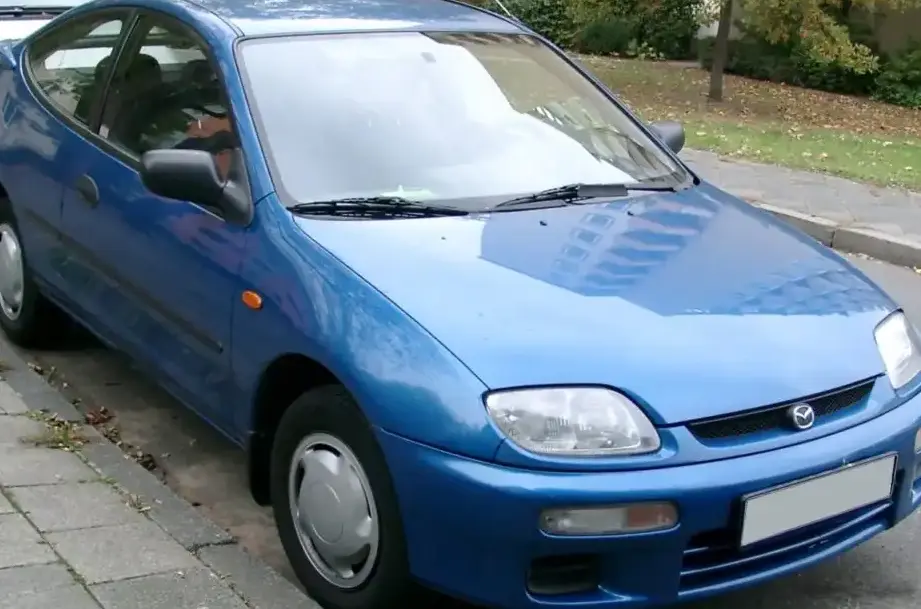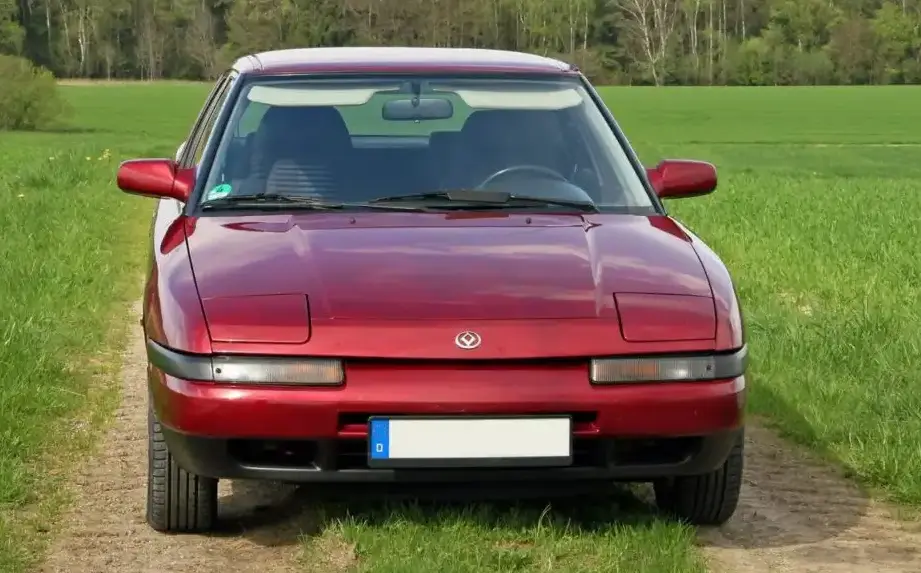
The Mazda 323 F IV (BG) 1.8 16V, produced between 1989 and 1994, represented a significant step forward for Mazda’s compact offering. Positioned as a mid-range trim within the BG series, this variant aimed to balance performance and affordability, appealing to buyers seeking a more spirited driving experience than the base models but without the higher price tag of the performance-oriented options. The 323 F, sold as the Familia in Japan, was a crucial model for Mazda, particularly in Europe and Australia, where it competed directly with rivals like the Volkswagen Golf and Ford Escort. This generation marked a shift towards more modern styling and engineering, incorporating advancements in engine technology and chassis design.
Technical Specifications
| Brand | Mazda |
| Model | 323 |
| Generation | 323 F IV (BG) |
| Type (Engine) | 1.8 16V (103 Hp) |
| Start of production | 1989 |
| End of production | 1994 |
| Powertrain Architecture | Internal Combustion engine |
| Body type | Hatchback |
| Seats | 5 |
| Doors | 5 |
| Fuel Type | Petrol (Gasoline) |
| Acceleration 0 – 100 km/h | 8.2 sec |
| Acceleration 0 – 62 mph | 8.2 sec |
| Acceleration 0 – 60 mph | 7.8 sec |
| Maximum speed | 196 km/h (121.79 mph) |
| Weight-to-power ratio | 10.9 kg/Hp, 92 Hp/tonne |
| Weight-to-torque ratio | 7.4 kg/Nm, 134.8 Nm/tonne |
| Power | 103 Hp @ 5500 rpm |
| Power per litre | 56 Hp/l |
| Torque | 151 Nm @ 4000 rpm (111.37 lb.-ft. @ 4000 rpm) |
| Engine layout | Front, Transverse |
| Engine Model/Code | B8 |
| Engine displacement | 1840 cm3 (112.28 cu. in.) |
| Number of cylinders | 4 |
| Engine configuration | Inline |
| Cylinder Bore | 83 mm (3.27 in.) |
| Piston Stroke | 85 mm (3.35 in.) |
| Compression ratio | 9:1 |
| Number of valves per cylinder | 4 |
| Fuel injection system | Multi-port manifold injection |
| Engine aspiration | Naturally aspirated engine |
| Valvetrain | SOHC |
| Engine oil capacity | 3.8 l (4.02 US qt | 3.34 UK qt) |
| Coolant | 5 l (5.28 US qt | 4.4 UK qt) |
| Kerb Weight | 1120 kg (2469.18 lbs.) |
| Max. weight | 1560 kg (3439.21 lbs.) |
| Max load | 440 kg (970.03 lbs.) |
| Fuel tank capacity | 55 l (14.53 US gal | 12.1 UK gal) |
| Length | 4260 mm (167.72 in.) |
| Width | 1680 mm (66.14 in.) |
| Height | 1340 mm (52.76 in.) |
| Wheelbase | 2500 mm (98.43 in.) |
| Front track | 1430 mm (56.3 in.) |
| Rear (Back) track | 1435 mm (56.5 in.) |
| Minimum turning circle | 9.8 m (32.15 ft.) |
| Drivetrain Architecture | The Internal combustion engine (ICE) drives the front wheels of the vehicle. |
| Drive wheel | Front wheel drive |
| Front suspension | Independent, type McPherson with coil spring and anti-roll bar |
| Rear suspension | Independent coil spring, Transverse stabilizer |
| Front brakes | Ventilated discs |
| Rear brakes | Drum |
| Steering type | Steering rack and pinion |
| Tires size | 175/70 R13; 185/60 R14 |
| Wheel rims size | 5J x 13; 5.5J x 14 |
Powertrain & Engine Architecture
The heart of the 323 F IV 1.8 16V is the B8 engine, an inline four-cylinder gasoline engine displacing 1840cc. This engine featured a single overhead camshaft (SOHC) valvetrain operating four valves per cylinder, hence the “16V” designation. The multi-port fuel injection system, a relatively modern feature for the time, contributed to improved fuel efficiency and throttle response compared to earlier carbureted Mazda engines. The B8 engine was known for its relatively smooth operation and willingness to rev, although it wasn’t a powerhouse in terms of outright performance. The engine was typically paired with a four-speed automatic transmission, offering convenient operation for everyday driving. This automatic transmission, while reliable, wasn’t particularly sophisticated by modern standards, featuring relatively wide gear ratios and a focus on smooth shifts rather than aggressive performance.
Driving Characteristics
The 1.8L 16V automatic configuration delivered a respectable, if not exhilarating, driving experience. Acceleration from 0-60 mph took around 7.8 seconds, making it competitive with other cars in its class. The automatic transmission, while providing ease of use, did detract somewhat from the engine’s potential. The gear ratios were geared towards fuel economy and comfortable cruising, resulting in a slightly less responsive feel compared to the five-speed manual version. However, the engine’s torque curve was reasonably flat, providing adequate power for overtaking maneuvers and maintaining highway speeds. The suspension, tuned for a balance between comfort and handling, provided a stable and predictable ride, although it wasn’t as sporty as some of its rivals.
Equipment & Trim Levels
The 1.8 16V trim typically included features such as power steering, central locking, and electric windows. Interior appointments generally consisted of cloth upholstery, with options for upgraded materials available. Dashboard design was functional and straightforward, with a clear instrument cluster and easy-to-use controls. Optional extras included a sunroof, alloy wheels, and a more advanced audio system. The trim level sat comfortably in the middle of the 323 F IV range, offering a good balance of features and affordability. It was a step up from the base 1.3L and 1.6L models, but didn’t have the added cost of the higher-spec versions.
Chassis & Braking
The 323 F IV utilized a McPherson strut front suspension and an independent coil spring rear suspension, providing a comfortable and controlled ride. Front brakes were ventilated discs, offering good stopping power, while the rear brakes were drums, a cost-saving measure common in this class of vehicle. A stabilizer bar was fitted to both the front and rear axles to reduce body roll during cornering. The chassis was relatively lightweight, contributing to the car’s nimble handling characteristics. The steering was rack and pinion, providing precise and responsive steering feel.
Market Reception & Comparison
The Mazda 323 F IV 1.8 16V automatic was generally well-received by automotive critics. It was praised for its comfortable ride, decent performance, and relatively fuel-efficient engine. However, some reviewers noted that the automatic transmission could feel sluggish at times, and that the interior lacked the refinement of some of its rivals. Compared to the manual transmission version, the automatic offered less driver engagement but greater convenience. Compared to the higher-output 2.0L models, the 1.8L offered a more affordable entry point into the 323 range, albeit with a noticeable performance deficit. Fuel economy was respectable for the time, averaging around 30-35 mpg in mixed driving conditions.
Legacy
The Mazda 323 F IV 1.8 16V has proven to be a relatively reliable vehicle over the long term. The B8 engine is known for its durability, and the automatic transmission, while not particularly advanced, is generally robust. However, as with any older vehicle, regular maintenance is crucial to prevent issues. Common problems include corrosion, particularly in areas exposed to salt, and wear and tear on suspension components. Today, the 323 F IV 1.8 16V is a popular choice among classic car enthusiasts and those seeking an affordable and reliable used car. Parts availability is generally good, and the car’s simple mechanical design makes it relatively easy to maintain and repair. It represents a significant milestone in Mazda’s history, showcasing the company’s commitment to building well-engineered and enjoyable-to-drive vehicles.