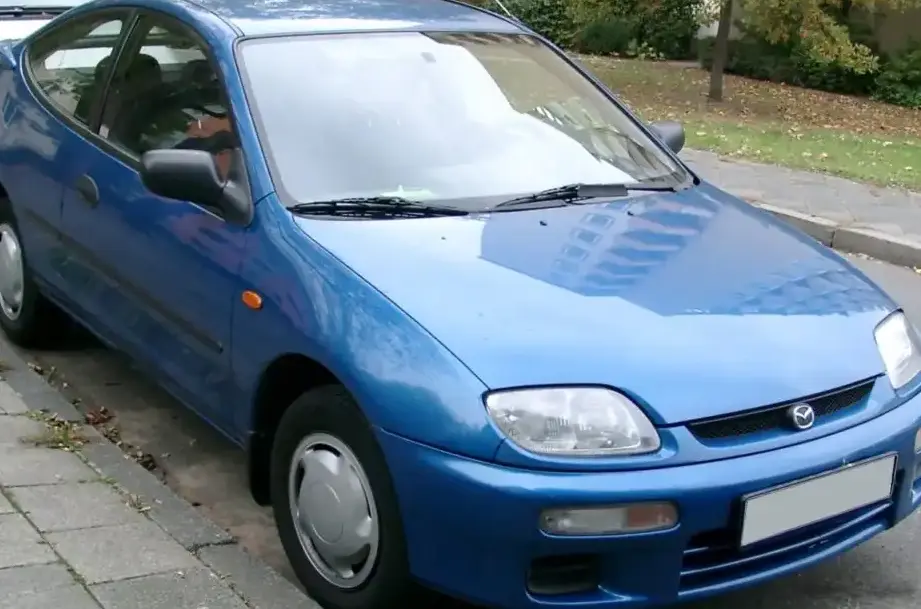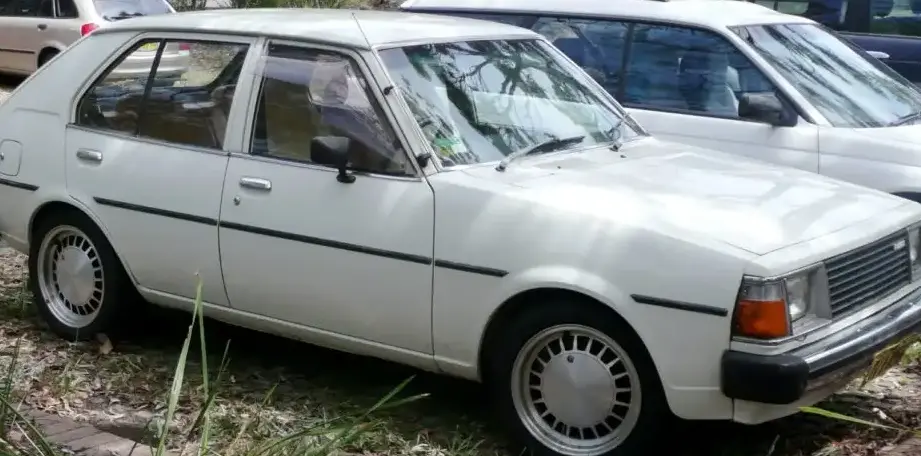
The Mazda 323 I (FA), specifically the 1.4-liter 69 horsepower variant, represents the first generation of Mazda’s globally marketed compact car. Produced between 1978 and 1980, this model was a crucial step for Mazda in establishing a presence in the competitive small family car segment, particularly in Europe and Australia. While not initially sold in the United States, the 323 I laid the groundwork for Mazda’s later success in the North American market with subsequent generations. This particular 1.4L engine and transmission combination served as the entry-level offering for the 323 range, prioritizing affordability and fuel economy over outright performance.
Technical Specifications
| Brand | Mazda |
| Model | 323 |
| Generation | 323 I (FA) |
| Type (Engine) | 1.4 (69 Hp) |
| Start of production | 1978 |
| End of production | 1980 |
| Powertrain Architecture | Internal Combustion engine |
| Body type | Hatchback |
| Fuel Type | Petrol (Gasoline) |
| Power | 69 Hp |
| Engine aspiration | Naturally aspirated engine |
Powertrain & Engine Architecture
The 323 I 1.4 utilized Mazda’s FE inline-four cylinder engine. This engine, displacing 1388cc, was a relatively simple design featuring a single overhead camshaft (SOHC) and two valves per cylinder. The engine’s modest 69 horsepower output at 6000 rpm and 86 lb-ft of torque at 3500 rpm were achieved through a single carburetor – typically a Mikuni or Hitachi unit, depending on the market. The FE engine was known for its durability and relatively straightforward maintenance. It wasn’t a powerhouse, but it was designed for reliability and longevity. The transmission paired with this engine was typically a four-speed manual, but a three-speed automatic transmission was also offered, though less common. The automatic transmission was geared towards smooth, comfortable operation rather than sporty performance. The engine block was cast iron, contributing to its robustness, while the cylinder head was aluminum, helping to reduce weight.
Driving Characteristics
The 1.4-liter 323 I offered a decidedly unhurried driving experience. Acceleration was modest, with a 0-60 mph time estimated to be around 14-16 seconds. The focus was on fuel efficiency and ease of driving in urban environments. The four-speed manual transmission allowed drivers to extract the most from the engine, but the automatic version, while convenient, further dulled performance. Gear ratios were relatively tall, prioritizing fuel economy at cruising speeds. Handling was adequate for its time, with a simple suspension setup consisting of MacPherson struts at the front and a twist-beam rear axle. The steering was light and easy, making it maneuverable in city traffic. Compared to potential higher-spec versions (which weren’t widely available in the initial 323 I range), the 1.4 felt noticeably slower and less engaging. The manual transmission offered a more connected feel, but the automatic prioritized comfort over driver involvement.
Equipment & Trim Levels
The 323 I 1.4, as the entry-level model, was typically equipped with basic amenities. Standard features generally included cloth upholstery, vinyl floor covering, and basic instrumentation – speedometer, fuel gauge, and temperature gauge. Power steering and air conditioning were often optional extras, and not commonly found on base models. The dashboard design was functional and straightforward, with a focus on practicality. Trim levels varied slightly depending on the market, but generally, the 1.4 offered a no-frills interior. Options could include a radio, upgraded seat fabrics, and occasionally, a sunroof. The exterior trim was also minimal, with basic chrome bumpers and steel wheels with hubcaps being the norm.
Chassis & Braking
The 323 I featured a relatively simple chassis design. The front suspension utilized MacPherson struts, providing a comfortable ride. The rear suspension employed a twist-beam axle, which was cost-effective and space-efficient. Braking was typically accomplished with disc brakes at the front and drum brakes at the rear. The braking system was adequate for the car’s weight and performance, but lacked the stopping power of more modern systems. Steering was rack and pinion, providing reasonable precision. The car’s relatively light weight – around 1,700-1,800 lbs – helped to offset the modest engine output and contributed to reasonable fuel economy.
Market Reception & Comparison
The Mazda 323 I 1.4 was generally well-received as an affordable and reliable small family car. Critics praised its fuel economy and ease of driving, but noted its lack of performance. Compared to rivals like the Ford Escort, Volkswagen Golf, and Toyota Corolla, the 323 I offered a competitive package, particularly in terms of value for money. The 1.4-liter engine was considered adequate for everyday driving, but those seeking more performance would need to consider larger engine options (which were less common in the early 323 I range). Fuel economy was a strong point, with figures typically ranging from 35-45 mpg depending on driving conditions. Reliability was also a positive attribute, with the FE engine proving to be durable and relatively trouble-free.
Legacy
The Mazda 323 I 1.4, while not a performance icon, played a significant role in establishing Mazda as a credible competitor in the global automotive market. The FE engine, in particular, became a mainstay in Mazda’s lineup for many years. Today, the 323 I 1.4 is a relatively rare sight, but those that remain are often cherished by enthusiasts for their simplicity and reliability. The powertrain, while dated by modern standards, is known for its durability and relatively low maintenance costs. In the used car market, these early 323s are often sought after as affordable classic cars, offering a nostalgic driving experience. Parts availability can be a challenge, but many components are still available through specialist suppliers or can be sourced from other Mazda models of the same era. The 323 I 1.4 represents a pivotal moment in Mazda’s history, marking its transition from a niche manufacturer to a global automotive player.