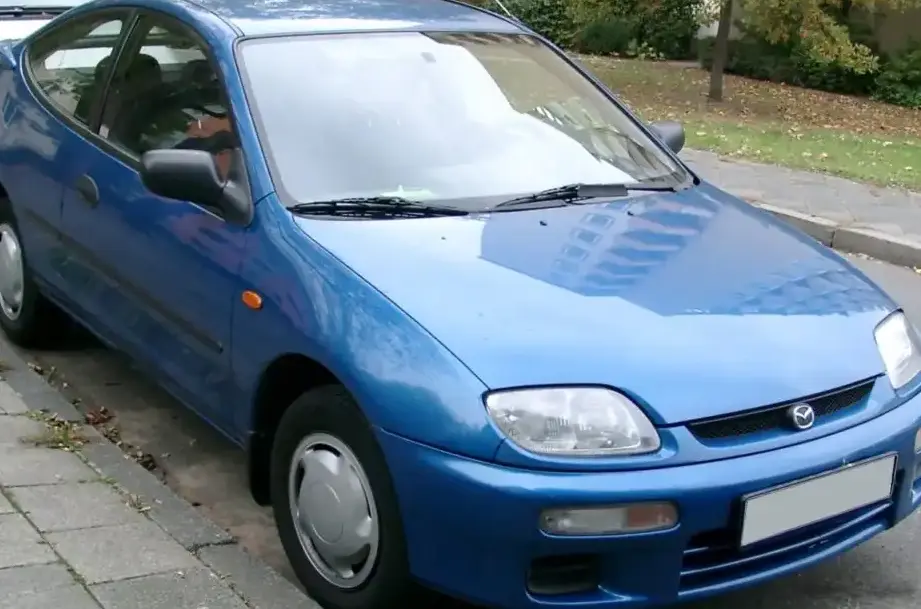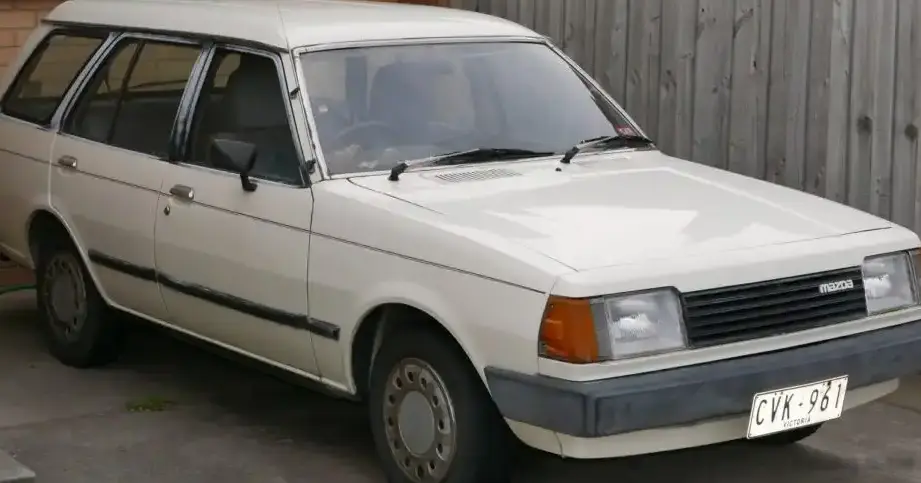
The Mazda 323 I Station Wagon, specifically the FA series produced between 1982 and 1986, represented Mazda’s entry into the compact estate car market. This generation, known internally as the FA platform, aimed to provide practical and affordable transportation for families. The 1.5-liter, 70 horsepower variant occupied the base trim level within the 323 I wagon lineup, prioritizing fuel economy and accessibility over outright performance. It was a key model for Mazda in Europe and other international markets, where station wagons held significant popularity, though it saw limited sales in the United States.
Technical Specifications
| Brand | Mazda |
| Model | 323 |
| Generation | 323 I Station Wagon (FA) |
| Type (Engine) | 1.5 (70 Hp) |
| Start of production | 1982 |
| End of production | 1986 |
| Powertrain Architecture | Internal Combustion engine |
| Body type | Station wagon (estate) |
| Fuel Type | Petrol (Gasoline) |
| Power | 70 Hp |
| Engine aspiration | Naturally aspirated engine |
Powertrain & Engine Architecture
The heart of the 323 I Station Wagon 1.5 was the Mazda B6 engine, a 1.496-liter (91.2 cubic inches) inline-four cylinder gasoline engine. This engine utilized a naturally aspirated configuration, meaning it did not employ a turbocharger or supercharger. The B6 featured a single overhead camshaft (SOHC) valvetrain, operating two valves per cylinder. Fuel delivery was managed by a carburetor, a common feature for vehicles of this era, prioritizing simplicity and cost-effectiveness over the precision of fuel injection. The engine produced 70 horsepower at approximately 5,500 rpm and 86 lb-ft of torque at 3,000 rpm. The transmission paired with this engine was typically a four-speed manual, but a three-speed automatic transmission was also offered, though less common. The automatic transmission was designed for smooth, comfortable operation, prioritizing ease of use over sporty performance. The engine block was constructed from cast iron, contributing to its durability, while the cylinder head was made of aluminum alloy to reduce weight.
Driving Characteristics
The 1.5-liter engine in the 323 I Station Wagon provided adequate, but not exhilarating, performance. Acceleration was modest, with a 0-60 mph time estimated to be around 14-16 seconds. The automatic transmission, while offering convenience, further reduced acceleration due to its less efficient power transfer compared to a manual gearbox. The gear ratios were optimized for fuel economy and relaxed cruising rather than spirited driving. In real-world conditions, the car felt most comfortable at highway speeds, where the engine could maintain a steady pace without excessive strain. Compared to the slightly more powerful 1.6-liter engine offered in some markets, the 1.5-liter version felt noticeably less responsive, particularly when fully loaded with passengers and cargo. The suspension, tuned for comfort, provided a relatively smooth ride, but handling was not particularly sharp. The car exhibited noticeable body roll during cornering, and steering feel was somewhat vague.
Equipment & Trim Levels
The 1.5-liter 323 I Station Wagon typically represented the base trim level. Standard equipment generally included cloth upholstery, basic instrumentation (speedometer, fuel gauge, temperature gauge), and a two-speaker AM/FM radio. Power steering was not standard and was often an optional extra. The interior was functional and durable, prioritizing practicality over luxury. Dashboard design was simple and straightforward, with easy-to-use controls. Optional extras included a sunroof, upgraded audio systems, and more comfortable seating. The exterior featured steel wheels with hubcaps, and chrome trim was minimal. The overall aesthetic was understated and functional, reflecting the car’s focus on affordability and practicality.
Chassis & Braking
The 323 I Station Wagon utilized a front-engine, rear-wheel-drive layout. The chassis consisted of a body-on-frame construction, a common practice for station wagons of this era, providing a robust and durable platform. The front suspension employed independent double wishbones, while the rear suspension utilized a solid axle with leaf springs. This suspension setup prioritized ride comfort and load-carrying capacity. Braking was typically accomplished with disc brakes on the front wheels and drum brakes on the rear wheels. The braking system was adequate for normal driving conditions, but lacked the stopping power of more modern systems. A manual parking brake was standard. Stabilizer bars were often omitted on the base trim level, contributing to increased body roll during cornering.
Market Reception & Comparison
The Mazda 323 I Station Wagon 1.5 was generally well-received as an affordable and practical family car. Critics praised its spacious interior, fuel efficiency, and durability. However, the 1.5-liter engine was often criticized for its lack of power, particularly when compared to competitors offering larger displacement engines. Compared to other trims in the 323 I lineup, such as those equipped with the 1.6-liter engine, the 1.5-liter version offered lower running costs but compromised on performance. Fuel economy was a strong point, with the 1.5-liter engine achieving around 28-32 mpg in mixed driving conditions. Reliability was generally good, with the B6 engine proving to be a durable and long-lasting unit. The automatic transmission, while convenient, was considered less reliable than the manual gearbox.
Legacy
The Mazda 323 I Station Wagon 1.5, while not a performance icon, holds a significant place in Mazda’s history as a practical and affordable family car. The B6 engine, while simple in design, proved to be remarkably durable and is still found in running condition in many examples today. In the used car market, these wagons are relatively affordable and are often sought after by enthusiasts looking for a classic Japanese car. Maintenance is generally straightforward, and parts availability is reasonable, although some components may be becoming increasingly difficult to find. The 323 I Station Wagon 1.5 represents a bygone era of automotive design, prioritizing practicality, affordability, and durability over outright performance and luxury. It remains a testament to Mazda’s commitment to providing reliable transportation for families around the world.