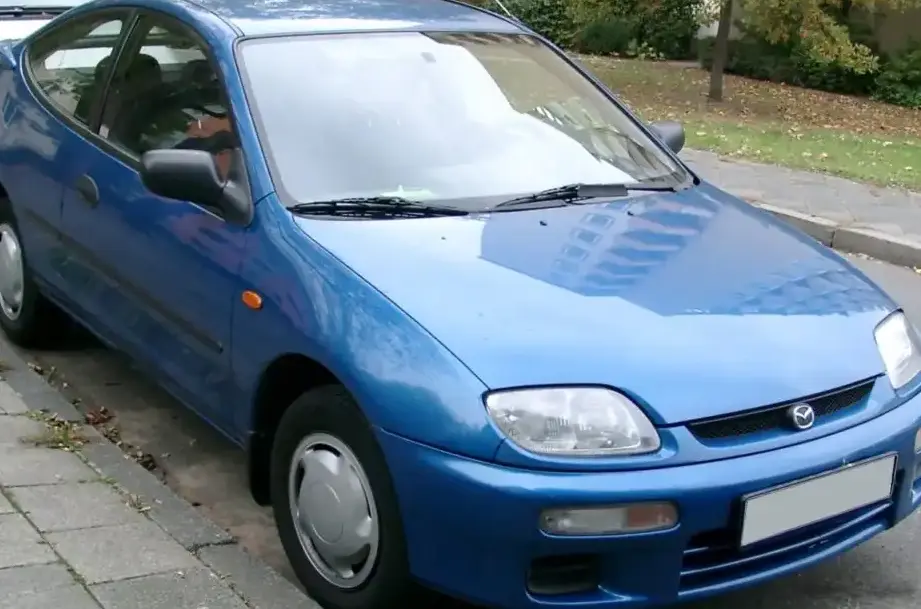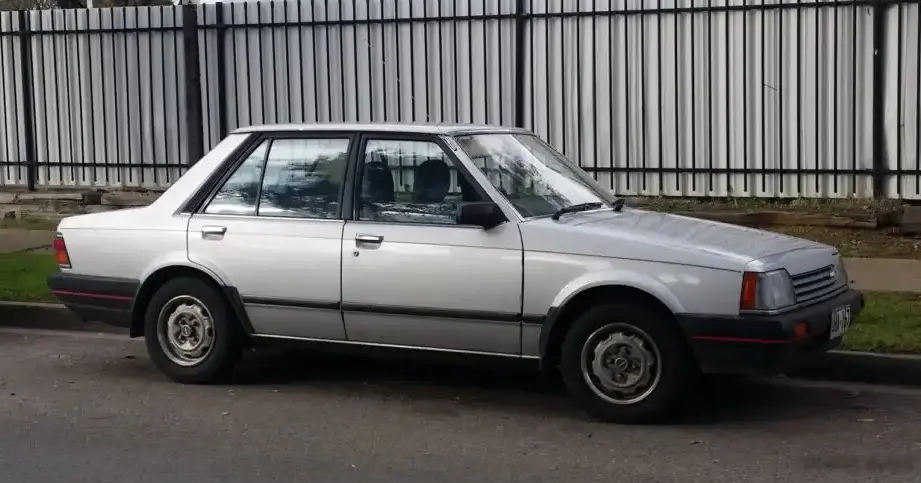
The Mazda 323 II (BD) 1.1, produced between 1980 and 1985, represented the entry point into Mazda’s compact sedan lineup during that period. Part of the BD generation of the 323, this variant was primarily aimed at budget-conscious buyers seeking reliable and economical transportation. It served as the base model, offering a more affordable alternative to the higher-trim levels featuring larger engines and more luxurious appointments. The BD series 323 was a significant update over the first generation, offering improved styling, interior space, and mechanical refinement, and was sold in various markets globally, though its popularity varied depending on regional preferences and emissions regulations.
Technical Specifications
| Brand | Mazda |
| Model | 323 |
| Generation | 323 II (BD) |
| Type (Engine) | 1.1 (54 Hp) |
| Start of Production | 1980 |
| End of Production | 1985 |
| Powertrain Architecture | Internal Combustion Engine |
| Body Type | Sedan |
| Fuel Type | Petrol (Gasoline) |
| Power | 54 Hp |
| Engine Aspiration | Naturally Aspirated |
Powertrain & Engine Architecture
The heart of the 323 II 1.1 was the Mazda B6 engine, a 1.1-liter (1088cc) inline-four cylinder gasoline engine. This engine utilized a single overhead camshaft (SOHC) valvetrain, operating two valves per cylinder. Fuel delivery was managed by a carburetor, a common feature for vehicles of this era and price point. The B6 engine was known for its simplicity and durability, though it wasn’t a powerhouse in terms of performance. The engine’s relatively low compression ratio (typically around 8.8:1) contributed to its ability to run on lower octane fuel, further enhancing its appeal to budget-minded consumers.
The 1.1-liter engine was typically paired with a four-speed manual transmission, though a three-speed automatic transmission was also available as an option. The automatic transmission, while offering convenience, further reduced the car’s acceleration capabilities. The transmission was a conventional hydraulic automatic, lacking the electronic controls found in later designs. The final drive ratio was geared towards fuel economy rather than outright speed, prioritizing efficiency over spirited driving.
Driving Characteristics
The 323 II 1.1, even in its manual transmission guise, was not a particularly quick car. With only 54 horsepower on tap, acceleration was modest, and overtaking required careful planning. The automatic transmission version felt even slower, with noticeable delays in downshifting. However, the car’s light weight (around 1,700-1,800 lbs) helped to mitigate the lack of power to some extent.
The suspension, consisting of MacPherson struts in the front and a twist-beam rear axle, provided a comfortable, if somewhat unremarkable, ride. Handling was predictable and safe, but not particularly engaging. The steering was light and easy, making it well-suited for city driving. The car’s overall driving experience was geared towards practicality and ease of use, rather than performance or driver involvement.
Equipment & Trim Levels
As the base model, the 323 II 1.1 came with a fairly basic level of equipment. Standard features typically included cloth upholstery, vinyl floor covering, and a simple dashboard layout. Amenities like a radio, heater, and basic instrumentation were usually included, but power windows, central locking, and air conditioning were generally optional extras. The interior trim was functional and durable, prioritizing practicality over luxury.
Optional extras could include upgraded upholstery, a more comprehensive instrument cluster, and a sunroof. Higher trim levels, such as the 1.3 and 1.5 models, offered more extensive standard equipment and a wider range of optional features. The 1.1 was deliberately positioned as the no-frills option, appealing to buyers who prioritized affordability above all else.
Chassis & Braking
The 323 II utilized a body-on-frame construction, a common practice for compact cars of the era. The chassis was relatively simple and robust, providing a solid foundation for the car’s mechanical components. The front suspension featured MacPherson struts, coil springs, and an anti-roll bar, while the rear suspension employed a twist-beam axle with coil springs.
Braking was typically accomplished with drum brakes on all four wheels, although some markets and later models may have featured front disc brakes. The braking system was adequate for normal driving conditions, but lacked the stopping power of more modern systems. Steering was a recirculating ball system, providing a light and easy steering feel, but lacking the precision of rack-and-pinion steering.
Market Reception & Comparison
The Mazda 323 II 1.1 was generally well-received as an affordable and reliable compact car. Critics praised its fuel economy and ease of driving, but noted its lack of power and basic interior. Compared to its siblings, the 1.3 and 1.5-liter models, the 1.1 offered significantly less performance. The 1.3-liter engine provided a noticeable improvement in acceleration, while the 1.5-liter engine offered even more power and a more refined driving experience.
The 1.1-liter version was often seen as a sensible choice for urban commuters and first-time car buyers. Its low running costs and simple mechanicals made it an attractive option for those on a tight budget. However, buyers seeking more performance or features typically opted for the higher-trim levels.
Legacy
The Mazda 323 II 1.1, while not a particularly memorable or sought-after model today, played an important role in establishing Mazda’s reputation for building reliable and affordable cars. The B6 engine proved to be a durable and long-lasting unit, and many examples of the 323 II 1.1 are still on the road today.
In the used car market, these vehicles are typically very inexpensive, making them attractive to those seeking a classic car project or a cheap and cheerful runabout. However, finding parts can be challenging, and maintenance may require some mechanical expertise. The 323 II 1.1 represents a snapshot of automotive engineering from the early 1980s, a time when simplicity, reliability, and affordability were highly valued.