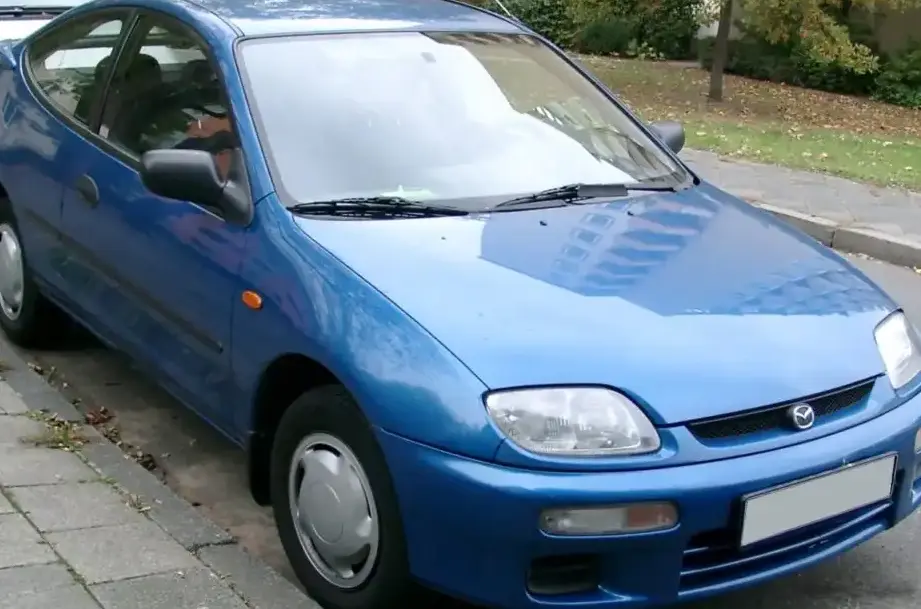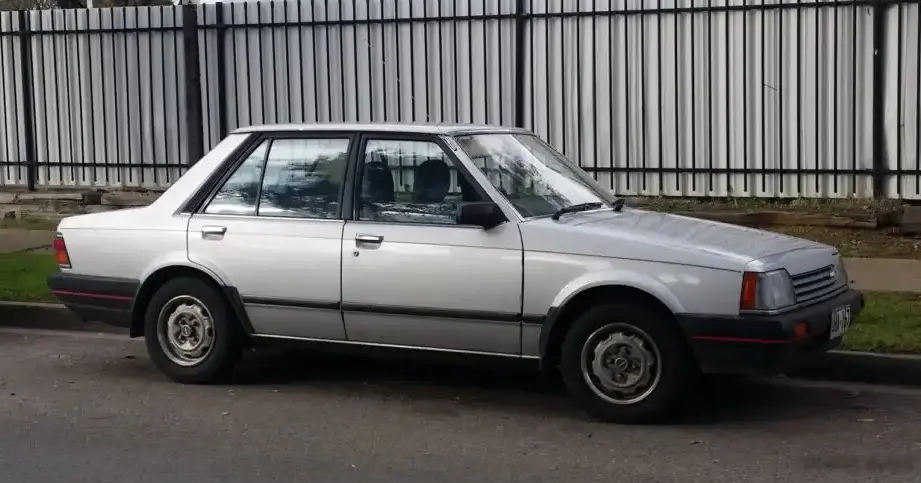
The Mazda 323 II (BD), produced between 1981 and 1984, represented Mazda’s entry into the increasingly competitive compact car segment. This second generation of the 323, known as the Ford Astina in some markets, aimed to offer a blend of affordability, practicality, and Mazda’s reputation for sporty handling. The 1.5-liter, 75 horsepower variant occupied the base trim level, serving as the most accessible option for buyers seeking economical transportation. It was a crucial model for Mazda, helping to establish the 323 nameplate as a mainstay in their lineup and a significant competitor to rivals like the Toyota Corolla and Honda Civic.
Technical Specifications
| Brand | Mazda |
| Model | 323 |
| Generation | 323 II (BD) |
| Type (Engine) | 1.5 (75 Hp) |
| Start of production | 1981 |
| End of production | 1984 |
| Powertrain Architecture | Internal Combustion engine |
| Body type | Sedan |
| Fuel Type | Petrol (Gasoline) |
| Power | 75 Hp |
| Engine layout | Front, Transverse |
| Fuel injection system | Carburettor |
| Engine aspiration | Naturally aspirated engine |
| Number of gears | 5 |
| Type of gearbox | Manual transmission |
Powertrain & Engine Architecture
The heart of the 323 II 1.5 was the Mazda B6 engine, a 1.496-liter (91.2 cubic inches) inline-four cylinder gasoline engine. This engine utilized a cast iron block and an aluminum cylinder head. The B6 was a relatively simple design, employing a single overhead camshaft (SOHC) valvetrain with two valves per cylinder. Crucially, this base model was equipped with a carburetor – specifically, a Hitachi or Mikuni unit – rather than fuel injection, which was becoming increasingly common even in this era. This carburetor setup contributed to its lower cost but also impacted its fuel efficiency and responsiveness compared to injected counterparts. The engine produced 75 horsepower at 6000 rpm and 86 lb-ft of torque at 3000 rpm. The engine was transversely mounted in the front of the vehicle, driving the front wheels. The five-speed manual transmission was the standard offering for this trim, providing a reasonable balance between fuel economy and drivability.
Driving Characteristics
The 1.5-liter 323 II offered modest performance. Acceleration was adequate for everyday driving, but it wasn’t a particularly quick car. Zero to sixty mph times were estimated to be around 12-14 seconds. The five-speed manual transmission allowed drivers to keep the engine in its optimal power band, but the carburetor’s limitations were noticeable during quick acceleration or when climbing hills. The gear ratios were fairly well-spaced, providing a comfortable cruising experience at highway speeds. Compared to the later, more powerful 1.6-liter and even the diesel options available in the 323 II range, the 1.5 felt noticeably underpowered. However, its lighter weight and simpler mechanicals contributed to a nimble and relatively engaging driving experience, characteristic of many Mazda vehicles of the period. The steering was light and precise, and the suspension provided a comfortable ride without excessive body roll.
Equipment & Trim Levels
The 1.5-liter 323 II represented the entry point into the model range, and its equipment level reflected that. Standard features typically included cloth upholstery, a basic AM/FM radio, and manual windows and door locks. The dashboard was functional but lacked the more sophisticated instrumentation found in higher trim levels. Optional extras, depending on the market, could include a cassette player, upgraded seat fabric, and even air conditioning, though these were less common on the base model. The interior was designed with practicality in mind, offering reasonable space for passengers and a decent-sized trunk for a car of its class. The overall aesthetic was fairly conservative, prioritizing durability and ease of use over luxury or stylistic flair.
Chassis & Braking
The 323 II utilized a MacPherson strut front suspension and a semi-trailing arm rear suspension. This setup provided a good balance of ride comfort and handling. The base model typically featured drum brakes on the rear wheels and disc brakes on the front, a common configuration for cars in this price range during the early 1980s. Steering was rack-and-pinion, contributing to the car’s responsive handling. Stabilizer bars were often omitted on the base model to further reduce cost, which slightly impacted its cornering ability compared to higher-spec versions. The chassis was relatively lightweight, which helped to offset the engine’s modest power output and contributed to its overall agility.
Market Reception & Comparison
The 1.5-liter 323 II was generally well-received as an affordable and reliable compact car. Critics praised its handling and fuel economy, but noted its lack of power compared to some of its rivals. Compared to the more expensive 1.6-liter versions of the 323 II, the 1.5 offered a significant price advantage, making it attractive to budget-conscious buyers. Fuel economy was a strong point, with the carburetor-equipped engine achieving around 30-35 mpg in mixed driving conditions. Reliability was generally good, although the carburetor required periodic adjustment and maintenance. In terms of competition, the 323 II 1.5 faced strong rivals from Toyota (Corolla), Honda (Civic), and Nissan (Sentra). The Mazda often stood out for its more engaging driving dynamics, but it typically lacked the refinement and features of some of its competitors.
Legacy
The Mazda 323 II 1.5, while not the most powerful or luxurious version of the model, played a vital role in establishing the 323 as a popular and respected compact car. The B6 engine, while simple, proved to be reasonably durable and relatively easy to maintain. Today, these cars are becoming increasingly rare, and well-maintained examples are sought after by enthusiasts and collectors. The carburetor can present maintenance challenges for modern mechanics unfamiliar with these systems, but the engine’s overall simplicity makes it relatively straightforward to work on. The 323 II 1.5 represents a snapshot of early 1980s automotive engineering, offering a glimpse into a time when affordability and practicality were paramount. Its enduring appeal lies in its honest simplicity, engaging driving dynamics, and the enduring reputation of the Mazda brand.