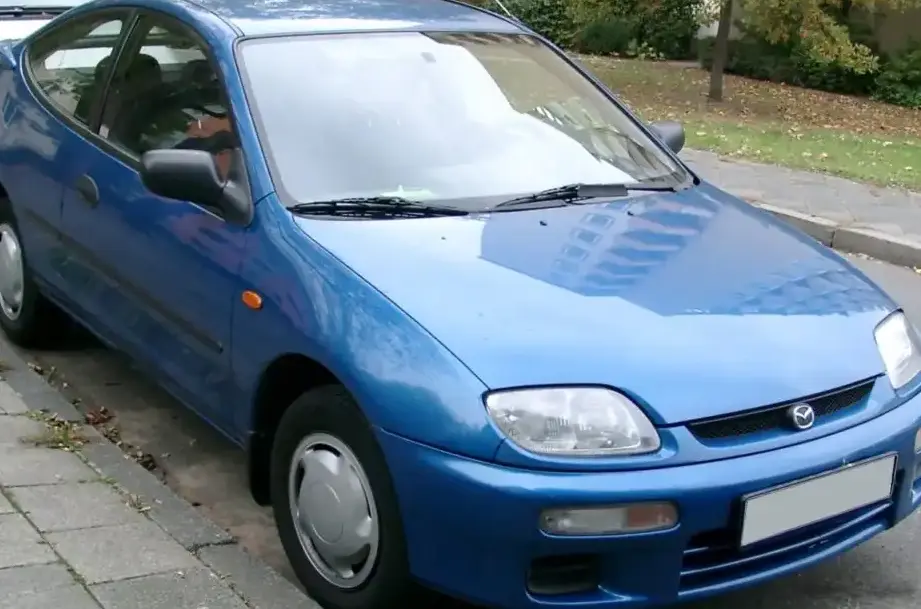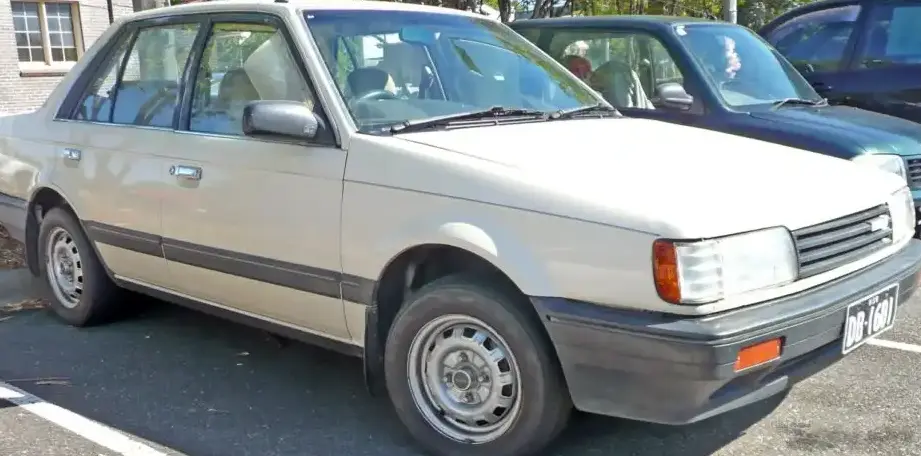
The Mazda 323 III, known as the BF platform, was a compact car produced by Mazda from 1985 to 1989. Representing the third generation of the 323, the BF series aimed to offer a more refined and modern driving experience compared to its predecessors. Within the BF lineup, the 1.3-liter, 60 horsepower variant occupied the entry-level position, targeting budget-conscious buyers and those prioritizing fuel efficiency over outright performance. This model was primarily sold in Europe, Australia, and parts of Asia, with limited availability in the North American market where the Mazda Protegé was the primary offering in this segment. The BF series was a significant step forward for Mazda, incorporating more contemporary styling and engineering, and laying the groundwork for the continued success of the 323/Protegé line.
Technical Specifications
| Brand | Mazda |
| Model | 323 |
| Generation | 323 III (BF) |
| Type (Engine) | 1.3 (60 Hp) |
| Start of production | 1985 |
| End of production | 1989 |
| Powertrain Architecture | Internal Combustion Engine |
| Body type | Sedan |
| Fuel Type | Petrol (Gasoline) |
| Power | 60 Hp |
| Engine aspiration | Naturally Aspirated |
Powertrain & Engine Architecture
The heart of the 323 III 1.3 was the Mazda B6 engine, a 1.3-liter (1298 cc) inline-four cylinder gasoline engine. This engine utilized a naturally aspirated configuration, meaning it did not employ a turbocharger or supercharger. The B6 featured a single overhead camshaft (SOHC) valvetrain, operating two valves per cylinder. Fuel delivery was managed by a carburetor, a common feature for vehicles of this era and price point. While not particularly powerful, the B6 was known for its reliability and relatively simple maintenance requirements. The engine produced 60 horsepower (44 kW) at 6000 rpm and 76 lb-ft (103 Nm) of torque at 3000 rpm. The transmission offered with this variant was typically a four-speed automatic, although a five-speed manual transmission was also available. The automatic transmission was designed for smooth, comfortable operation, prioritizing ease of use over sporty performance. It featured a conventional torque converter and planetary gearsets.
Driving Characteristics
The 323 III 1.3 with the automatic transmission offered a decidedly unhurried driving experience. Acceleration was modest, with a 0-60 mph time estimated to be around 14-16 seconds. The focus was on fuel economy and comfortable cruising rather than spirited driving. The automatic transmission’s gear ratios were optimized for low-end torque and smooth shifts, but this came at the expense of responsiveness. Compared to the 1.6-liter versions of the 323 III, the 1.3 felt noticeably slower, particularly when accelerating for overtaking maneuvers or climbing hills. The manual transmission version offered slightly improved performance due to the driver having more control over gear selection. Handling was adequate for everyday driving, with a relatively soft suspension setup prioritizing ride comfort. The steering was light and easy to use, making it well-suited for urban environments.
Equipment & Trim Levels
The 1.3-liter 323 III typically represented the base trim level. Standard equipment generally included cloth upholstery, basic instrumentation (speedometer, fuel gauge, temperature gauge), and a simple AM/FM radio. Power steering was often an optional extra, as were features like electric windows and central locking. Interior plastics were durable but relatively basic in terms of design and finish. The dashboard layout was functional and straightforward, with clearly labeled controls. Optional extras could include a sunroof, upgraded audio systems, and different wheel covers. The overall interior ambiance was practical and utilitarian, reflecting the car’s affordable price point.
Chassis & Braking
The 323 III BF utilized a front-engine, front-wheel-drive layout. The suspension consisted of MacPherson struts at the front and a twist-beam axle at the rear. This suspension setup provided a reasonable balance between ride comfort and handling. Braking on the 1.3-liter model typically featured disc brakes at the front and drum brakes at the rear. This configuration was common for vehicles in this class during the 1980s, as it offered a cost-effective braking solution. The braking system was adequate for normal driving conditions, but lacked the stopping power of more advanced systems found on higher-end vehicles. Stabilizer bars were often omitted on the base 1.3 trim to further reduce costs.
Market Reception & Comparison
The Mazda 323 III 1.3 was generally well-received as an affordable and reliable compact car. Critics praised its fuel efficiency and ease of driving, but noted its lack of performance. Compared to its rivals, such as the Ford Escort, Opel Kadett, and Volkswagen Golf, the 323 III 1.3 offered a competitive package in terms of price and features. However, the higher-powered versions of these competitors often provided a more engaging driving experience. The 1.6-liter Mazda 323 III offered a significant performance upgrade, while the diesel versions provided even better fuel economy. The 1.3-liter model was primarily targeted at buyers who prioritized economy and practicality over performance and refinement.
Legacy
The Mazda 323 III 1.3, while not the most exciting variant in the BF lineup, proved to be a durable and dependable vehicle. The B6 engine, despite its modest output, was known for its longevity and relatively low maintenance costs. Today, surviving examples of the 323 III 1.3 are relatively rare, but they are often sought after by enthusiasts looking for a classic, affordable, and easy-to-maintain vehicle. The BF series 323 played an important role in establishing Mazda’s reputation for building reliable and well-engineered cars. The 323 III laid the foundation for the continued success of the Mazda3, which carries on the tradition of offering a compelling combination of value, performance, and reliability. Parts availability can be a challenge, but many components are still available through specialist suppliers and online marketplaces. The 323 III 1.3 remains a testament to the enduring appeal of simple, honest, and well-built automobiles.