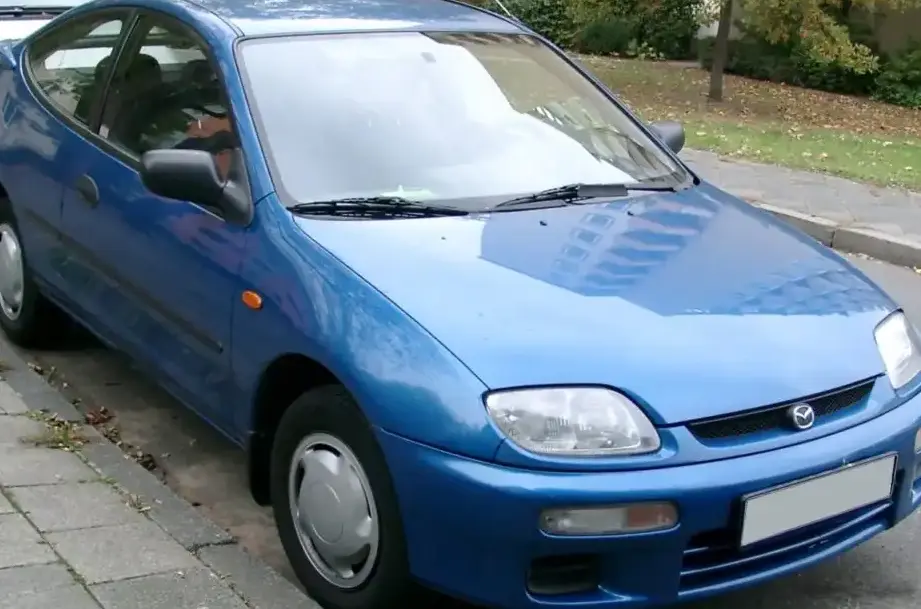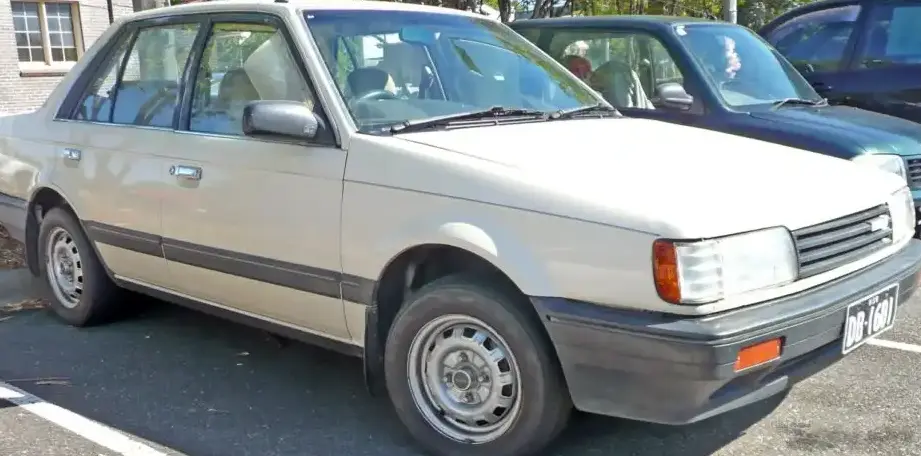
The Mazda 323 III (BF) 1.5, produced between 1985 and 1989, represented a significant step forward for Mazda’s compact offering. Falling within the BF generation of the 323, this variant served as the entry point to the model range, offering affordable and reliable transportation. The BF series was a crucial model for Mazda, designed to compete in the increasingly competitive global compact car market. It was a direct replacement for the 323 II and laid the groundwork for future Mazda models. This 1.5-liter version, with its 75 horsepower output, was primarily aimed at buyers prioritizing fuel efficiency and practicality over outright performance.
Technical Specifications
| Brand | Mazda |
| Model | 323 |
| Generation | 323 III (BF) |
| Type (Engine) | 1.5 (75 Hp) |
| Start of production | 1985 |
| End of production | 1989 |
| Powertrain Architecture | Internal Combustion engine |
| Body type | Sedan |
| Seats | 5 |
| Doors | 4 |
| Fuel consumption (urban) | 10 l/100 km (23.5 US mpg) |
| Fuel consumption (extra urban) | 6.5 l/100 km (36.2 US mpg) |
| Fuel consumption (combined) | 8 l/100 km (29.4 US mpg) |
| Fuel Type | Petrol (Gasoline) |
| Maximum speed | 155 km/h (96.31 mph) |
| Power | 75 Hp |
| Power per litre | 50.3 Hp/l |
| Engine layout | Front, Transverse |
| Engine Model/Code | E5 |
| Engine displacement | 1490 cm3 (90.93 cu. in.) |
| Number of cylinders | 4 |
| Engine configuration | Inline |
| Number of valves per cylinder | 2 |
| Fuel injection system | Carburettor |
| Engine aspiration | Naturally aspirated engine |
| Valvetrain | OHC |
| Fuel tank capacity | 43 l (11.36 US gal) |
| Drivetrain Architecture | Front wheel drive |
| Number of gears and type of gearbox | 5 gears, manual transmission |
| Front brakes | Ventilated discs |
| Rear brakes | Drum |
| Tires size | 155/80 R13 82S |
| Wheel rims size | 5J x 13 ET45 |
Powertrain & Engine Architecture
The heart of the 323 III 1.5 was the Mazda E5 engine, a 1.5-liter (1490cc) inline-four cylinder gasoline engine. This engine utilized a single overhead camshaft (OHC) valvetrain with two valves per cylinder. Crucially, this variant employed a carburetor for fuel delivery, a common practice for vehicles of this era and price point. The carburetor system, while simpler and less expensive than fuel injection, resulted in slightly lower fuel efficiency and emissions compared to injected engines. The E5 engine was known for its durability and relative simplicity, making it relatively easy to maintain. The engine produced 75 horsepower, and while not a performance powerhouse, it provided adequate power for everyday driving. The engine was mounted transversely in the front of the vehicle, driving the front wheels.
Driving Characteristics
The 323 III 1.5, equipped with its five-speed manual transmission, offered a predictable and undemanding driving experience. Acceleration was modest, with a 0-60 mph time estimated around 12-14 seconds. The carburetor’s response wasn’t particularly sharp, requiring a bit more throttle input to achieve brisk acceleration. The five-speed gearbox was well-matched to the engine’s powerband, allowing drivers to keep the engine in its optimal operating range. Compared to the later fuel-injected versions of the 323, or the more powerful engines available in the range, the 1.5 felt noticeably slower. However, its lighter weight and responsive steering made it enjoyable to drive around town. The gear ratios were fairly standard for the time, prioritizing fuel economy over outright performance.
Equipment & Trim Levels
The 1.5-liter 323 III typically represented the base trim level. Standard features included cloth upholstery, a basic instrument cluster, and manual windows and door locks. Air conditioning and a radio were often optional extras. The interior design was functional and straightforward, prioritizing practicality over luxury. The dashboard layout was simple and easy to use, with clearly labeled controls. Higher trim levels of the 323 III offered features like upgraded upholstery, power windows, and a more sophisticated audio system. However, the 1.5 model was intentionally kept relatively spartan to maintain its affordability.
Chassis & Braking
The 323 III utilized a relatively conventional chassis design for a front-wheel-drive compact car. It featured independent front suspension with MacPherson struts and a torsion beam rear suspension. The front brakes were ventilated discs, providing adequate stopping power, while the rear brakes were drums. This combination was typical for vehicles in this class during the 1980s. The steering was a rack-and-pinion system, offering reasonably precise control. The suspension was tuned for comfort, providing a relatively smooth ride over most road surfaces. Stabilizer bars were often included, but their thickness varied depending on the specific market and trim level.
Market Reception & Comparison
The Mazda 323 III 1.5 was generally well-received as an affordable and reliable compact car. Critics praised its fuel efficiency and ease of driving, but noted its lack of outright performance. Compared to other vehicles in its class, such as the Toyota Corolla and Honda Civic, the 323 offered a good balance of features and price. The carburetor-equipped engine was seen as a drawback by some, as fuel injection was becoming increasingly common. However, the lower initial cost of the 1.5 model made it an attractive option for budget-conscious buyers. Fuel economy figures of around 29.4 US mpg combined were competitive for the time.
Legacy
The Mazda 323 III 1.5, while not the most powerful or technologically advanced version of the 323, proved to be a durable and dependable vehicle. The E5 engine, despite its carburetor fuel system, was known for its longevity. Today, well-maintained examples are becoming increasingly rare, but are sought after by enthusiasts looking for a classic 1980s Japanese compact car. The 1.5-liter engine’s simplicity makes it relatively easy to repair and maintain, and parts availability is still reasonable. The BF generation 323, including the 1.5 variant, played a significant role in establishing Mazda’s reputation for building reliable and enjoyable-to-drive vehicles.