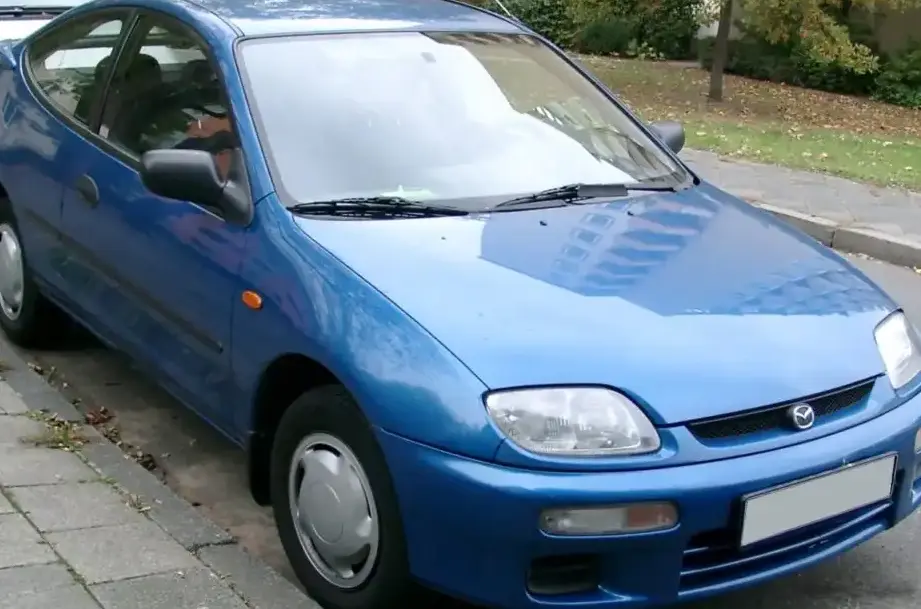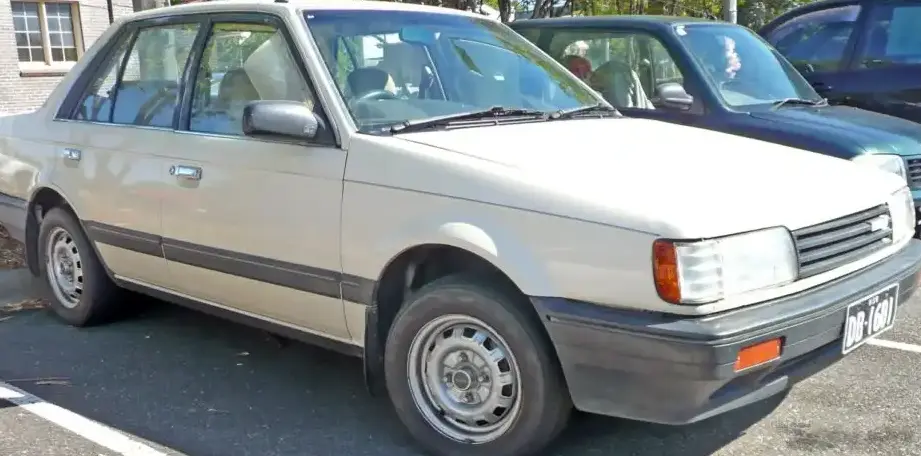
The Mazda 323 III (BF) 1.6 GT, produced between 1986 and 1989, represented a significant step forward for Mazda’s compact offering. Part of the BF series, the third generation of the 323, this variant occupied a middle-ground position within the lineup, offering a balance between affordability and a more refined driving experience compared to the base models. It was primarily aimed at buyers seeking a comfortable and reliable sedan with adequate performance for daily commuting and family use. The BF series was a crucial model for Mazda, helping to establish the brand’s reputation for building fun-to-drive, well-engineered vehicles in a competitive segment.
Technical Specifications
| Brand | Mazda |
| Model | 323 |
| Generation | 323 III (BF) |
| Type (Engine) | 1.6 GT (85 Hp) |
| Start of production | 1986 |
| End of production | 1989 |
| Powertrain Architecture | Internal Combustion Engine |
| Body type | Sedan |
| Fuel Type | Petrol (Gasoline) |
| Power | 85 Hp |
| Engine aspiration | Naturally Aspirated |
Powertrain & Engine Architecture
The 1.6 GT variant of the Mazda 323 III (BF) was powered by the FE engine family, specifically the FE-D model. This 1.6-liter, inline-four cylinder engine produced 85 horsepower. The FE engine was known for its relatively simple design and robust construction, contributing to its reliability. It featured a single overhead camshaft (SOHC) valvetrain operating two valves per cylinder. Fuel delivery was managed by a carburetor, a common feature for vehicles of this era, though some later models within the BF generation transitioned to fuel injection. The carburetor provided adequate fuel atomization for the engine’s output, but it wasn’t as efficient or precise as fuel injection systems. The engine’s block was cast iron, providing durability, while the cylinder head was aluminum, helping to reduce weight. The transmission paired with the 1.6 GT was typically a four-speed automatic, designed for smooth and convenient operation. This automatic transmission wasn’t particularly sporty, prioritizing comfort and ease of use over aggressive shifting.
Driving Characteristics
The driving experience in the 323 III 1.6 GT with the automatic transmission was geared towards comfort and practicality. Acceleration was adequate for everyday driving, but it wasn’t a particularly quick car. The 85 horsepower engine, coupled with the four-speed automatic, resulted in a 0-60 mph time estimated around 12-14 seconds. The automatic transmission’s gear ratios were optimized for fuel economy and smooth cruising rather than spirited performance. Compared to the five-speed manual transmission available on other 323 models, the automatic version felt noticeably slower, especially during overtaking maneuvers. The suspension was tuned for a comfortable ride, absorbing bumps and imperfections in the road reasonably well. Handling was predictable and safe, but not particularly engaging. The steering was light and easy to use, making it well-suited for city driving. Overall, the 1.6 GT automatic offered a relaxed and undemanding driving experience.
Equipment & Trim Levels
The 1.6 GT trim level offered a step up in features compared to the base models of the 323 III. Standard equipment typically included cloth upholstery, a basic AM/FM radio, and manual windows and locks. The GT trim also often included features like a more comprehensive instrument cluster, a steering wheel with a padded grip, and upgraded interior trim. Optional extras available for the 1.6 GT could include air conditioning, a sunroof, and upgraded audio systems. The interior design was functional and straightforward, with a focus on practicality rather than luxury. The dashboard layout was clean and easy to understand, with all essential controls within easy reach of the driver. The seats provided adequate support for long journeys, and the cabin offered reasonable space for passengers.
Chassis & Braking
The Mazda 323 III (BF) utilized a front-engine, front-wheel-drive layout. The chassis was a traditional body-on-frame construction, providing a solid and durable platform. The suspension consisted of MacPherson struts at the front and a twist-beam axle at the rear. This suspension setup provided a good balance between ride comfort and handling. The braking system on the 1.6 GT typically featured disc brakes at the front and drum brakes at the rear. While adequate for normal driving conditions, the drum brakes at the rear weren’t as effective as disc brakes, particularly during hard braking. Power steering was often included as standard equipment, making it easier to maneuver the car at low speeds. The 323 III’s chassis and braking system were designed to provide safe and reliable performance for everyday driving.
Market Reception & Comparison
The Mazda 323 III 1.6 GT was generally well-received by automotive critics as a practical and reliable compact sedan. It was praised for its comfortable ride, fuel efficiency, and overall build quality. However, some critics noted that the engine lacked power, especially when paired with the automatic transmission. Compared to other trims in the 323 lineup, such as the 2.0-liter models, the 1.6 GT offered less performance but was more affordable. It also competed with other compact sedans from Japanese manufacturers like Toyota and Honda, which offered similar levels of reliability and fuel economy. The 1.6 GT’s automatic transmission was seen as a convenient option for drivers who preferred not to shift gears manually, but it came at the expense of performance. Fuel economy was a strong point for this variant, typically achieving around 28-32 mpg in combined driving conditions.
Legacy
The Mazda 323 III (BF) 1.6 GT has proven to be a relatively reliable vehicle over the long term. The FE engine is known for its durability, and with proper maintenance, it can last for many years. However, like any older car, it’s susceptible to age-related issues such as rust and wear and tear on rubber components. In the used car market today, the 323 III 1.6 GT is often sought after by enthusiasts looking for a classic Japanese sedan. Its affordability and simplicity make it an attractive option for those who want a reliable and easy-to-maintain vehicle. While it may not offer the performance or features of more modern cars, it provides a nostalgic driving experience and a glimpse into the automotive past. Parts availability can be a challenge, but many components are still available through aftermarket suppliers or salvaged vehicles. The 323 III 1.6 GT remains a testament to Mazda’s commitment to building well-engineered and dependable automobiles.