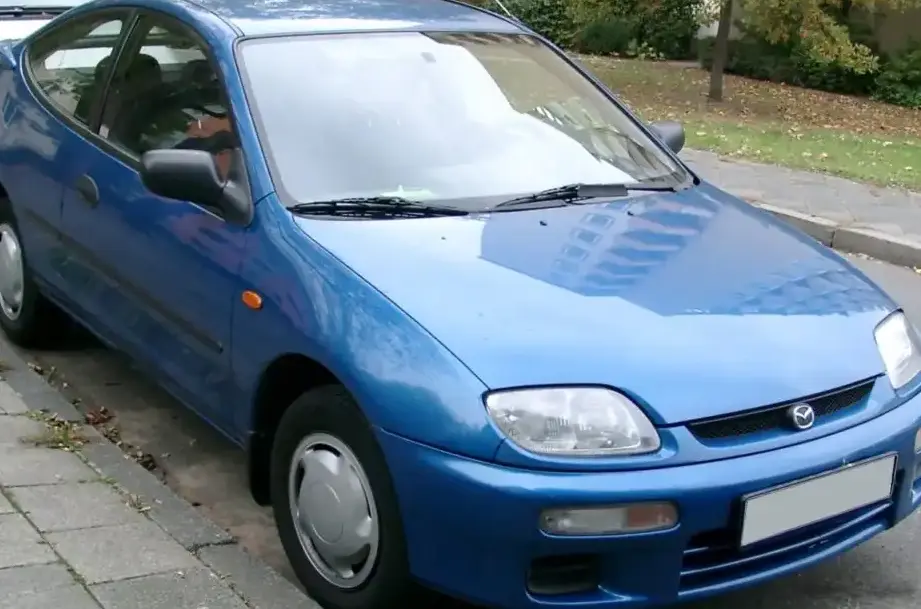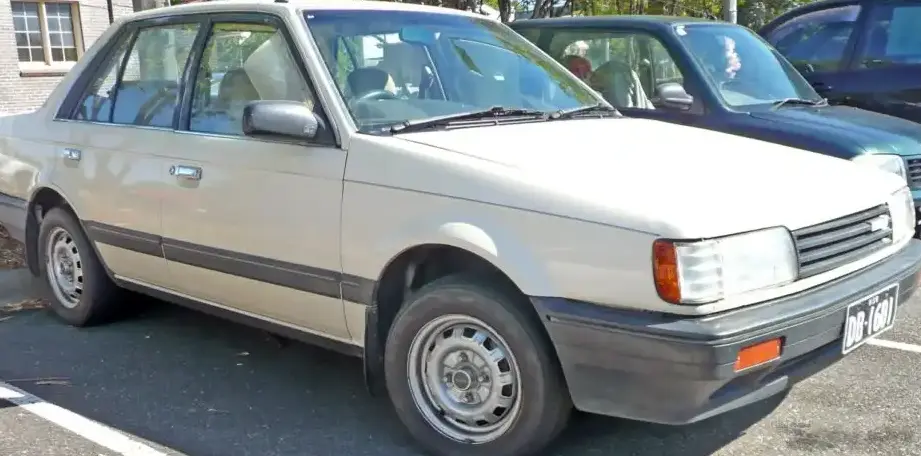
The Mazda 323 III (BF) 1.7 D, produced between 1986 and 1989, represented Mazda’s entry into the compact diesel market during a period when fuel efficiency was becoming increasingly important to consumers. This variant, a diesel-powered sedan within the BF generation of the 323, was primarily aimed at buyers seeking economical transportation. It occupied the lower end of the 323 III lineup, positioned below the gasoline-powered models in terms of performance but offering superior fuel economy. The BF series 323 was a significant model for Mazda, representing a move towards more modern styling and engineering compared to its predecessors, and the 1.7 D played a role in broadening its appeal to a wider customer base, particularly in European markets where diesel engines were more popular.
Technical Specifications
| Brand | Mazda |
| Model | 323 |
| Generation | 323 III (BF) |
| Type (Engine) | 1.7 D (54 Hp) |
| Start of production | 1986 |
| End of production | 1989 |
| Powertrain Architecture | Internal Combustion engine |
| Body type | Sedan |
| Fuel Type | Diesel |
| Power | 54 Hp |
| Engine aspiration | Naturally aspirated engine |
Powertrain & Engine Architecture
The 323 III 1.7 D was powered by a 1.7-liter, naturally aspirated diesel engine. While specific engine codes varied depending on the market, the engine was a relatively simple, indirect injection diesel. This meant fuel was injected into a pre-chamber before entering the main combustion chamber, promoting better mixing and more complete combustion, though at the cost of some power compared to direct injection systems. The engine featured a cast iron block and head, contributing to its durability, but also adding to its overall weight. The engine’s modest 54 horsepower output was achieved at a relatively low engine speed, prioritizing torque over peak power. The engine utilized a mechanical fuel injection pump, a common feature for diesel engines of this era. The valvetrain consisted of a single overhead camshaft operating two valves per cylinder. The transmission was typically a four- or five-speed manual, although an optional three-speed automatic transmission was available in some markets. The automatic transmission, while offering convenience, further reduced the vehicle’s acceleration performance.
Driving Characteristics
The driving experience in the 323 III 1.7 D was defined by its economy rather than its performance. With only 54 horsepower, acceleration was slow, particularly when equipped with the automatic transmission. The engine produced a usable amount of torque at low RPMs, making it adequate for everyday driving and city commuting. However, overtaking maneuvers required careful planning and often necessitated downshifting. The manual transmission versions offered a slightly more engaging driving experience, allowing the driver to better utilize the available power. The suspension, while comfortable, was tuned for ride quality rather than sporty handling. Steering was light and precise, making the car easy to maneuver in urban environments. Compared to the gasoline-powered 323 variants, the 1.7 D felt significantly slower, but it offered a noticeable improvement in fuel economy. The diesel’s heavier engine also impacted the car’s balance, making it feel less nimble than its petrol counterparts.
Equipment & Trim Levels
The 323 III 1.7 D typically came with a fairly basic level of equipment, reflecting its position as the entry-level model. Standard features generally included cloth upholstery, a basic instrument cluster, and manual windows and door locks. Air conditioning was often an optional extra, as were power steering and a radio. The interior design was functional and straightforward, prioritizing practicality over luxury. Trim levels varied depending on the market, but generally, the 1.7 D was offered in a single, relatively spartan trim. Some markets offered a slightly upgraded trim level with features like a better stereo and upgraded interior materials, but these were not common. The exterior styling was consistent across the range, with the 1.7 D sharing the same bodywork as the other 323 III models.
Chassis & Braking
The 323 III 1.7 D utilized a relatively conventional chassis design for the time. It featured a MacPherson strut front suspension and a torsion beam rear suspension. The suspension was tuned for comfort, providing a reasonably smooth ride over uneven surfaces. The braking system consisted of disc brakes on the front wheels and drum brakes on the rear wheels. This configuration was typical for cars in this price range during the 1980s. The brakes were adequate for normal driving conditions, but lacked the stopping power of more advanced braking systems. The steering was a rack-and-pinion system, providing precise and responsive steering feel. The car’s overall weight, due to the heavy diesel engine, contributed to increased braking distances compared to the lighter gasoline-powered models. Stabilizer bars were typically fitted to the front suspension to reduce body roll during cornering.
Market Reception & Comparison
The Mazda 323 III 1.7 D received mixed reviews from automotive critics. While its fuel economy was praised, its lack of performance was a common criticism. It was generally seen as a sensible and practical choice for buyers prioritizing economy over excitement. Compared to other diesel-powered cars in its class, such as the Volkswagen Golf Diesel, the 323 1.7 D offered a similar level of fuel efficiency but was often considered less refined. Within the 323 III lineup, the 1.7 D was significantly slower than the gasoline-powered models, particularly the 1.6-liter and 2.0-liter variants. However, it was more affordable to purchase and operate, making it an attractive option for budget-conscious buyers. Reliability was generally good, although the diesel engine required regular maintenance to ensure optimal performance.
Legacy
The Mazda 323 III 1.7 D, while not a performance icon, holds a place in automotive history as a representative of the growing demand for fuel-efficient vehicles in the 1980s. The engine, while simple, proved to be relatively durable and reliable, and many examples are still on the road today. In the used car market, the 1.7 D is often sought after by enthusiasts looking for a classic, economical vehicle. Parts availability can be a challenge, but many components are still available through specialist suppliers. The car’s simple mechanical design makes it relatively easy to maintain and repair for those with some mechanical aptitude. The 323 III 1.7 D serves as a reminder of a time when fuel economy and practicality were often prioritized over outright performance, and it remains a popular choice for those seeking a classic, affordable, and economical vehicle.