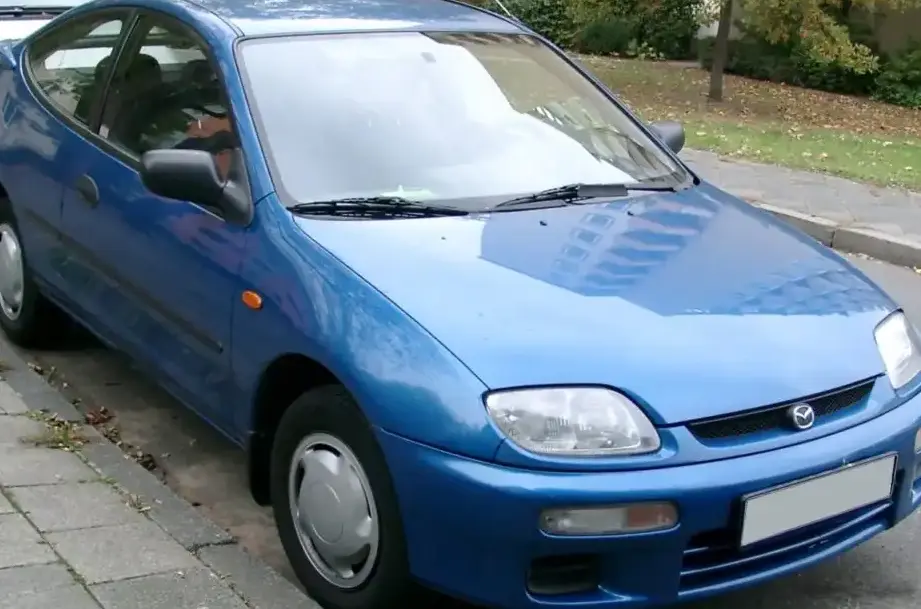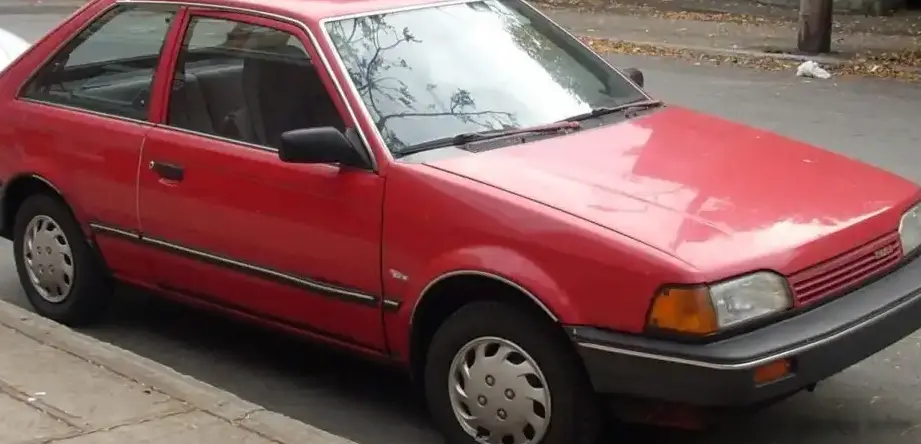
The Mazda 323 III, known as the BF platform, represented a significant step forward for Mazda in the compact car segment. Produced from 1985 to 1988, this generation offered a blend of practicality, affordability, and a surprisingly sporty driving experience. The 1.6 GT variant, powered by a 105 horsepower engine, occupied a middle ground in the 323 III lineup, offering a balance between performance and economy. It was positioned above the base models and below the more powerful, and often fuel-injected, higher-spec versions. This model was primarily aimed at the North American and European markets, where compact, fuel-efficient vehicles were gaining popularity.
Technical Specifications
| Brand | Mazda |
| Model | 323 |
| Generation | 323 III Hatchback (BF) |
| Type (Engine) | 1.6 GT (105 Hp) |
| Start of production | 1985 |
| End of production | 1988 |
| Powertrain Architecture | Internal Combustion Engine |
| Body type | Hatchback |
| Fuel Type | Petrol (Gasoline) |
| Power | 105 Hp |
| Engine Aspiration | Naturally Aspirated |
Powertrain & Engine Architecture
The heart of the 323 III 1.6 GT is the Mazda B6 engine, a 1.6-liter inline-four cylinder powerplant. This engine, while not particularly technologically advanced by modern standards, was known for its reliability and willingness to rev. The 105 horsepower output was achieved through a relatively simple design featuring a single overhead camshaft (SOHC) and two valves per cylinder. The engine utilized a carburetor for fuel delivery, a common feature for vehicles of this era. While fuel injection was becoming more prevalent, the carburetor offered a cost-effective solution for achieving acceptable performance and emissions. The B6 engine produced approximately 97 lb-ft of torque. The engine block was cast iron, contributing to its durability, while the cylinder head was aluminum, helping to reduce weight. The transmission paired with the 1.6 GT was typically a four-speed automatic, although a five-speed manual transmission was also available. The automatic transmission, while providing ease of use, did impact acceleration and fuel economy compared to the manual option.
Driving Characteristics
The 1.6 GT offered a reasonably engaging driving experience for a car in its class. The 105 horsepower engine provided adequate acceleration for everyday driving, although it wasn’t particularly quick. The four-speed automatic transmission featured relatively widely spaced gear ratios, which meant that the engine often felt strained during quick acceleration. The automatic transmission’s shift points were calibrated for fuel economy rather than performance. Compared to the manual transmission version, the automatic resulted in a noticeable decrease in responsiveness. Handling was generally considered good for a front-wheel-drive hatchback of the 1980s. The suspension, consisting of MacPherson struts in the front and a twist-beam axle in the rear, provided a comfortable ride while still offering decent cornering stability. The steering was light and precise, making the car easy to maneuver in urban environments.
Equipment & Trim Levels
The 1.6 GT trim level offered a step up in features compared to the base 323 III models. Standard equipment typically included cloth upholstery, a basic AM/FM radio, and a digital clock. Power steering was often included, enhancing the driving experience. The GT trim also featured upgraded interior trim and exterior detailing, such as body-colored bumpers and wheel covers. Optional extras included a sunroof, upgraded sound system, and air conditioning. The interior design was functional and straightforward, with a focus on practicality. The dashboard layout was simple and easy to use, with clearly labeled controls. The seats provided adequate support for both front and rear passengers.
Chassis & Braking
The Mazda 323 III BF utilized a unibody construction, providing a good balance of strength and weight. The front suspension featured MacPherson struts, coil springs, and an anti-roll bar, contributing to stable handling. The rear suspension employed a twist-beam axle with coil springs and shock absorbers. Braking duties were handled by disc brakes in the front and drum brakes in the rear. The braking system was adequate for normal driving conditions, but lacked the stopping power of more modern vehicles. The 1.6 GT typically came equipped with 175/70R14 tires, providing a reasonable compromise between grip and ride comfort. The steering system was a rack-and-pinion setup, offering precise and responsive steering feel.
Market Reception & Comparison
The Mazda 323 III 1.6 GT was generally well-received by automotive critics. It was praised for its reliability, fuel efficiency, and comfortable ride. However, some critics noted that the engine lacked power, particularly when paired with the automatic transmission. Compared to other compact hatchbacks of the time, such as the Volkswagen Golf and Ford Escort, the 323 III offered a more sporty driving experience and a more stylish design. The 1.6 GT’s fuel economy was competitive, averaging around 28-32 mpg in mixed driving conditions. The higher-spec 323 III models, equipped with fuel injection and larger engines, offered significantly more performance but came at a higher price point. The 1.9L diesel variant offered superior fuel economy but lacked the refinement and acceleration of the gasoline engines.
Legacy
The Mazda 323 III BF, particularly the 1.6 GT variant, has developed a loyal following among enthusiasts. The B6 engine is known for its durability and relatively simple maintenance requirements. Parts availability is generally good, although some components may be becoming increasingly difficult to find. Today, well-maintained examples of the 323 III 1.6 GT are sought after by collectors and enthusiasts who appreciate their classic styling and engaging driving experience. While not a high-performance machine, the 1.6 GT represents a solid and reliable example of 1980s Japanese automotive engineering. The car’s enduring appeal lies in its blend of practicality, affordability, and a touch of sporty flair. It remains a testament to Mazda’s commitment to building fun-to-drive and dependable vehicles.