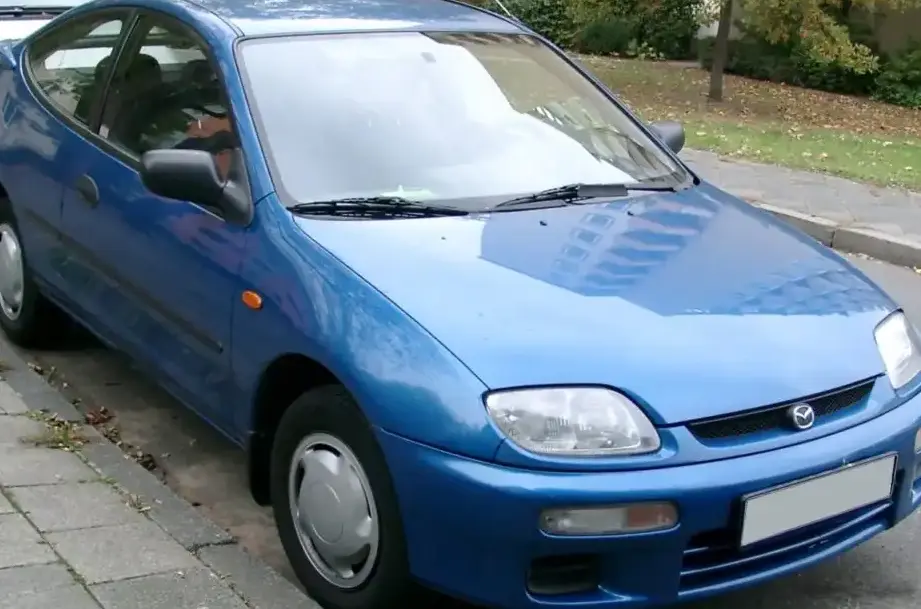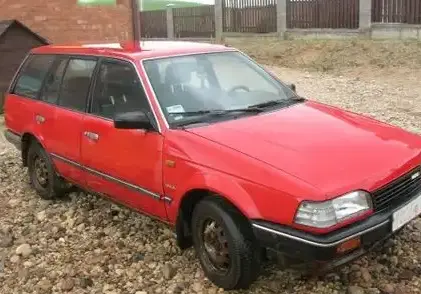
The Mazda 323 III Station Wagon (BF) 1.5, produced between 1987 and 1989, represented Mazda’s entry-level offering in the compact estate car segment. Part of the broader BF series 323 range, this variant aimed to provide practical, affordable transportation for families and individuals needing versatile cargo space. It occupied the base trim level within the wagon lineup, positioned below the more powerful 1.6-liter and later 1.8-liter options. The BF series itself was a significant step forward for Mazda, offering improved styling, handling, and overall refinement compared to its predecessor.
Technical Specifications
| Brand | Mazda |
| Model | 323 |
| Generation | 323 III Station Wagon (BF) |
| Type (Engine) | 1.5 (73 Hp) |
| Start of production | 1987 |
| End of production | 1989 |
| Powertrain Architecture | Internal Combustion engine |
| Body type | Station wagon (estate) |
| Fuel Type | Petrol (Gasoline) |
| Power | 73 Hp |
| Engine aspiration | Naturally aspirated engine |
Powertrain & Engine Architecture
The 323 III Station Wagon 1.5 was powered by Mazda’s B5-ME engine, a 1.5-liter (1489cc) inline-four cylinder gasoline engine. This engine featured a single overhead camshaft (SOHC) valvetrain with eight valves. Fuel delivery was managed by a carburetor, a common feature for vehicles of this era and price point. The B5-ME engine was known for its relative simplicity and durability, though it lacked the sophistication of fuel-injected engines becoming increasingly prevalent at the time. The engine produced 73 horsepower at 5,000 rpm and approximately 95 lb-ft of torque at 3,000 rpm. The transmission offered was typically a four-speed automatic, although a five-speed manual was also available. The automatic transmission was designed for smooth, comfortable operation rather than sporty performance, prioritizing ease of use for everyday driving.
Driving Characteristics
The 1.5-liter engine and automatic transmission combination resulted in a driving experience geared towards practicality and fuel economy. Acceleration was modest, with 0-60 mph times estimated around 13-15 seconds. The automatic transmission featured relatively tall gear ratios, contributing to lower engine speeds at highway cruising, which aided fuel efficiency. However, this also meant that the engine could feel strained when climbing hills or overtaking at higher speeds. Compared to the 1.6-liter version, the 1.5 offered noticeably less power, making it feel slower in most driving situations. The manual transmission version of the 1.5 offered a more engaging driving experience and slightly improved acceleration, but the automatic was the more popular choice for buyers prioritizing convenience.
Equipment & Trim Levels
The 1.5-liter station wagon typically represented the base trim level. Standard equipment generally included cloth upholstery, basic instrumentation (speedometer, fuel gauge, temperature gauge), and a two-speaker AM/FM radio. Power steering was often optional, and air conditioning was typically reserved for higher trim levels. The interior design was functional and straightforward, prioritizing durability and ease of use over luxury. Exterior features included steel wheels with hubcaps, black plastic trim, and relatively simple lighting. Optional extras could include upgraded audio systems, sunroofs, and metallic paint finishes. The overall focus was on providing a no-frills, affordable family vehicle.
Chassis & Braking
The BF series 323 utilized a front-engine, front-wheel-drive layout. The suspension consisted of MacPherson struts at the front and a twist-beam rear axle. This setup provided a reasonable balance between ride comfort and handling. The steering was rack-and-pinion, offering decent precision. Braking was typically accomplished with disc brakes at the front and drum brakes at the rear. The braking system was adequate for the vehicle’s weight and performance, but lacked the stopping power of more advanced systems found on higher-end vehicles. Stabilizer bars were often omitted on the base 1.5 model, contributing to slightly more body roll in corners compared to better-equipped trims.
Market Reception & Comparison
The Mazda 323 III Station Wagon 1.5 was generally well-received as an affordable and practical family car. Critics praised its spacious interior and versatile cargo area, but noted its lack of performance compared to competitors. Compared to other station wagons in its class, such as the Ford Escort Estate or the Vauxhall Astra Estate, the Mazda offered a slightly more refined driving experience and a reputation for reliability. However, the 1.6-liter Mazda 323 offered a significant performance upgrade for a relatively small price increase, making it a more attractive option for buyers who prioritized driving enjoyment. Fuel economy was a strong point for the 1.5-liter engine, making it an appealing choice for budget-conscious buyers.
Legacy
The Mazda 323 III Station Wagon 1.5, while not the most powerful or technologically advanced vehicle of its time, remains a fondly remembered car for many owners. The B5-ME engine is known for its durability and relatively simple maintenance requirements. Parts availability is generally good, making it a viable option for classic car enthusiasts. Today, these wagons are relatively rare, particularly in good condition. They represent a practical and affordable entry point into the world of classic Mazda ownership. The 1.5-liter automatic variant, while not a performance standout, offers a comfortable and reliable driving experience, making it a suitable choice for those seeking a nostalgic and practical classic estate car. The BF series 323, as a whole, helped solidify Mazda’s reputation for building well-engineered and reliable vehicles.