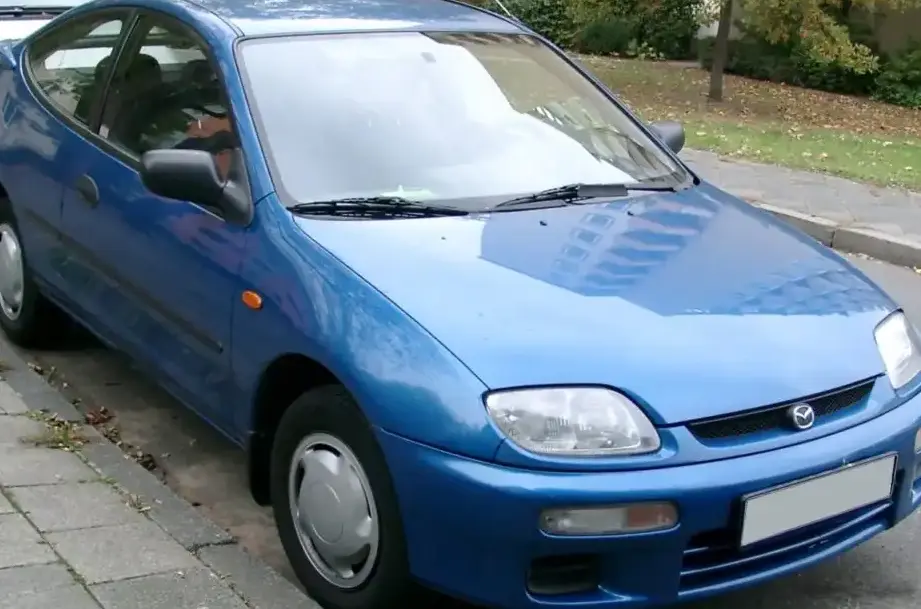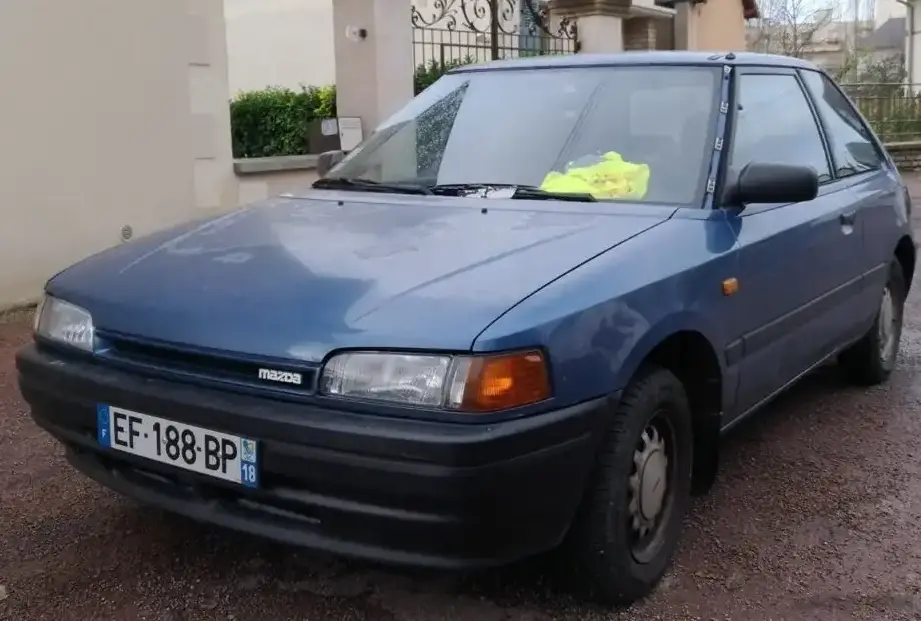
The Mazda 323 S IV (BG), specifically the 1.6-liter 84 horsepower variant, represents an important entry point into Mazda’s compact car lineup during the late 1980s and early 1990s. Produced between 1989 and 1991, this iteration of the 323 (known as the Familia in Japan) was part of the BG series, a generation focused on improved styling, handling, and overall refinement compared to its predecessors. This particular engine and trim level served as the base model for many markets, offering affordable transportation with Mazda’s reputation for reliability. It was positioned as the most economical option within the 323 S IV range, appealing to buyers prioritizing fuel efficiency and practicality over outright performance.
Technical Specifications
| Brand | Mazda |
| Model | 323 |
| Generation | 323 S IV (BG) |
| Type (Engine) | 1.6 (84 Hp) |
| Start of production | 1989 |
| End of production | 1991 |
| Powertrain Architecture | Internal Combustion Engine |
| Body type | Hatchback |
| Fuel Type | Petrol (Gasoline) |
| Power | 84 Hp |
| Engine aspiration | Naturally Aspirated |
Powertrain & Engine Architecture
The heart of this 323 S IV is the Mazda B6 engine, a 1.6-liter inline-four cylinder gasoline engine. This engine, internally designated as the B6, is a naturally aspirated unit, meaning it doesn’t employ forced induction like a turbocharger or supercharger. It features a single overhead camshaft (SOHC) design operating two valves per cylinder. Fuel delivery is managed by Mazda’s electronically controlled fuel injection system, a significant advancement over the carburetors found in earlier models. This system contributed to improved fuel economy and reduced emissions. The B6 engine produces 84 horsepower at approximately 6000 rpm and 99 lb-ft of torque at 3500 rpm.
The 323 S IV 1.6 typically came equipped with a four-speed automatic transmission. This transmission, while providing ease of use, was geared towards fuel efficiency rather than sporty acceleration. It featured standard torque converter technology and a relatively conservative gear ratio spread. The automatic transmission was a key factor in the appeal of this variant to drivers seeking a no-fuss driving experience, particularly in urban environments.
Driving Characteristics
The driving experience in the 323 S IV 1.6 Automatic is best described as comfortable and practical. Acceleration is adequate for everyday driving, but it’s not particularly brisk. The 0-60 mph time is estimated to be around 12-14 seconds, making it slower than the manual transmission versions or those equipped with the larger 1.8-liter engine. The automatic transmission contributes to a smooth, if somewhat uninspired, driving experience. Gear changes are generally seamless, but downshifts can be slow to respond, especially when needing to overtake or climb hills. The suspension is tuned for comfort, providing a reasonably compliant ride over most road surfaces. Handling is predictable and safe, but it lacks the sharpness and responsiveness of more performance-oriented hatchbacks of the era.
Compared to the five-speed manual version of the 1.6, the automatic suffers a noticeable performance penalty. The manual transmission allows for better control over engine speed and provides quicker acceleration. The larger 1.8-liter engine, available in higher trim levels, offers significantly more power and torque, resulting in a more engaging driving experience. However, the 1.8L models came at a higher price point.
Equipment & Trim Levels
The 323 S IV 1.6 Automatic, as the entry-level trim, typically came with a fairly basic level of equipment. Standard features generally included cloth upholstery, a basic AM/FM radio, manual windows and door locks, and a steering wheel. Air conditioning was often an optional extra, as were power windows and central locking. The interior design was functional and straightforward, prioritizing practicality over luxury. The dashboard layout was clean and easy to use, with clearly labeled controls. Safety features were limited by the standards of the time, typically consisting of seatbelts and a collapsible steering column.
Higher trim levels, such as the LX or SE, added features like upgraded upholstery, alloy wheels, a more sophisticated stereo system, and additional convenience items. These trims were aimed at buyers willing to spend more for a more refined and well-equipped vehicle.
Chassis & Braking
The 323 S IV utilized a front-engine, front-wheel-drive layout. The suspension consisted of MacPherson struts at the front and a torsion beam axle at the rear. This setup provided a good balance between ride comfort and handling. The steering was rack-and-pinion, offering reasonably precise control. Braking on the 1.6 model typically featured disc brakes at the front and drum brakes at the rear. This configuration was common for vehicles in this price range during the late 1980s and early 1990s. The braking system provided adequate stopping power for everyday driving, but it lacked the stopping performance of vehicles equipped with four-wheel disc brakes.
Stabilizer bars were often included as standard equipment, helping to reduce body roll during cornering. The chassis was relatively lightweight, contributing to the car’s fuel efficiency and nimble handling.
Market Reception & Comparison
The Mazda 323 S IV 1.6 Automatic was generally well-received by automotive critics as a practical and affordable compact car. It was praised for its reliability, fuel efficiency, and comfortable ride. However, it was also criticized for its lack of performance and somewhat bland styling. Compared to rivals like the Honda Civic, Toyota Corolla, and Nissan Sentra, the 323 S IV offered a competitive package, particularly in terms of value for money. Fuel economy was a strong point, with the 1.6-liter engine achieving around 28-32 mpg in combined driving conditions. Reliability was also a key strength, with the B6 engine proving to be durable and long-lasting.
Legacy
The Mazda 323 S IV 1.6 Automatic has proven to be a relatively reliable and durable vehicle over the long term. Many examples are still on the road today, testament to Mazda’s engineering quality. The B6 engine is known for its robustness and relatively simple maintenance requirements. However, like any older vehicle, it’s susceptible to age-related issues such as rust and wear and tear on rubber components. In the used car market, these 323s are typically very affordable, making them attractive to budget-conscious buyers or those seeking a classic 1990s hatchback. While not a performance icon, the 323 S IV 1.6 Automatic holds a place as a dependable and practical car that served many drivers well during its production run.