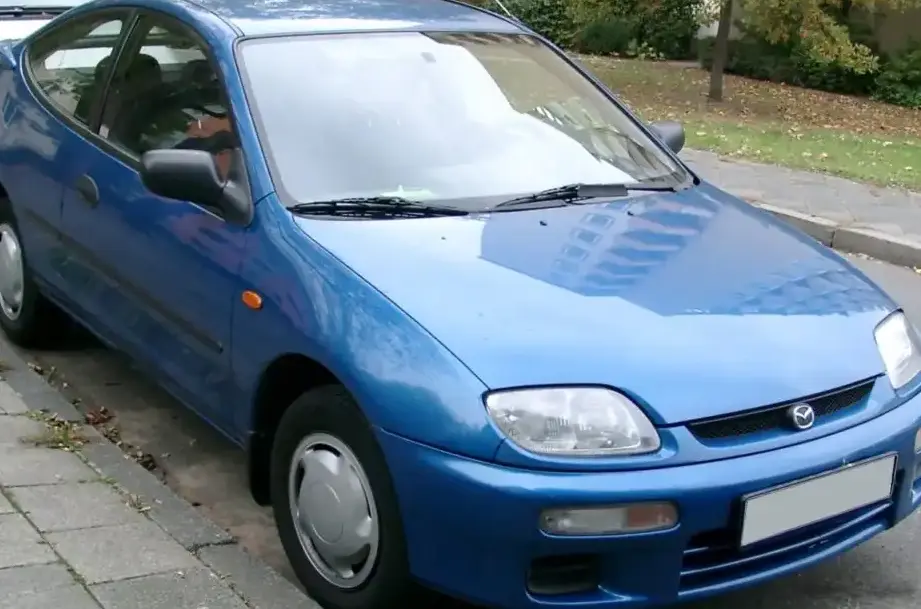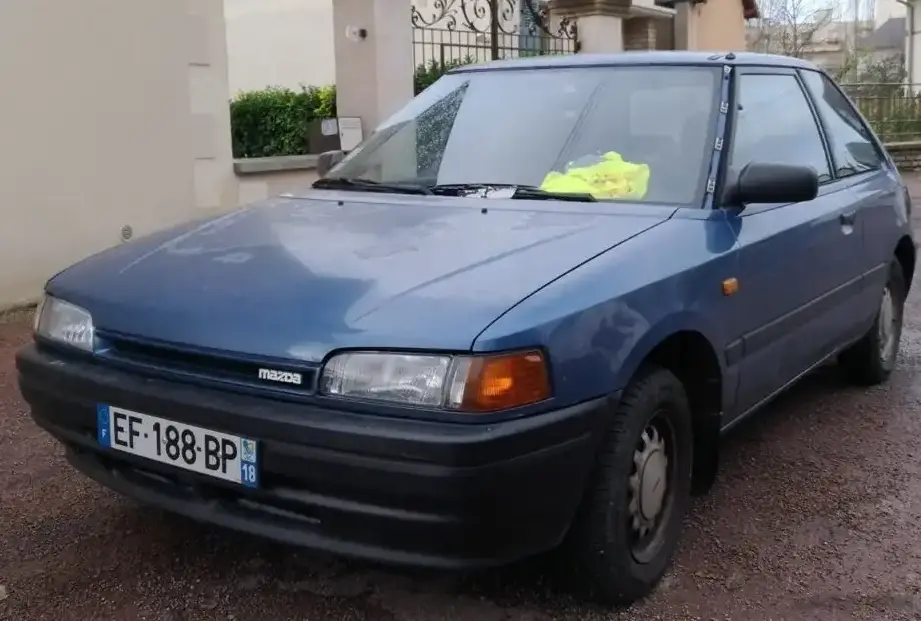
The Mazda 323 S IV (BG) 1.8 16V GT, produced between 1989 and 1994, represented a significant step forward for Mazda’s compact offering. Part of the BG generation of the 323, this variant aimed to provide a balance of performance and practicality within the increasingly competitive small family car segment. Positioned as a mid-range to upper-mid-range trim level, the 1.8 16V GT offered a more powerful engine option compared to the base models, appealing to drivers seeking a more engaging driving experience without sacrificing fuel efficiency or everyday usability. The BG series 323 was a crucial model for Mazda, solidifying their reputation for building reliable and enjoyable-to-drive vehicles, and the 1.8 16V GT was a key component of that success.
Technical Specifications
| Brand | Mazda |
| Model | 323 |
| Generation | 323 S IV (BG) |
| Type (Engine) | 1.8 16V GT (128 Hp) |
| Start of production | 1989 |
| End of production | 1994 |
| Powertrain Architecture | Internal Combustion engine |
| Body type | Hatchback |
| Fuel Type | Petrol (Gasoline) |
| Power | 128 Hp |
| Engine aspiration | Naturally aspirated engine |
Powertrain & Engine Architecture
The heart of the 323 S IV 1.8 16V GT is the Mazda B8 engine, a 1.8-liter (1798cc) inline-four cylinder gasoline engine. This engine featured a 16-valve dual overhead camshaft (DOHC) configuration, a significant upgrade from the earlier single overhead cam designs. The engine code is typically B8-ME. Fuel delivery was managed by Mazda’s electronic fuel injection (EFI) system, contributing to improved fuel efficiency and reduced emissions compared to carbureted engines. The 16 valves, combined with optimized intake and exhaust porting, allowed for increased airflow and improved volumetric efficiency, resulting in the engine’s 128 horsepower output. Torque figures were around 120 lb-ft. The engine’s block was constructed from cast iron, providing durability, while the cylinder head was made of aluminum alloy, reducing weight. The 323 S IV 1.8 16V GT was typically paired with a four-speed automatic transmission, although a five-speed manual transmission was also available. The automatic transmission was designed for smooth shifting and reasonable efficiency, but it wasn’t known for particularly sporty performance.
Driving Characteristics
The 1.8-liter engine in the 323 S IV GT provided a noticeable improvement in performance over the lower-displacement engines offered in the range. While not a sports car, the 128 hp output allowed for brisk acceleration and comfortable highway cruising. The automatic transmission, while convenient, did slightly diminish the engine’s potential. Gear ratios were tuned for fuel economy and smooth operation, rather than outright acceleration. Compared to the five-speed manual version, the automatic resulted in a slightly slower 0-60 mph time, typically around 9-10 seconds versus the manual’s 8-8.5 seconds. The engine felt responsive in the mid-range, making it suitable for everyday driving situations. Handling was generally considered good for a front-wheel-drive hatchback of its era, with a relatively well-tuned suspension providing a comfortable ride without excessive body roll. The steering was light and precise, making it easy to maneuver in urban environments.
Equipment & Trim Levels
The “GT” trim level of the 323 S IV signified a higher level of equipment compared to the base models. Standard features typically included power steering, central locking, electric windows, and an upgraded interior trim. The interior usually featured cloth upholstery, with options for more premium materials available. The dashboard layout was functional and straightforward, with easy-to-read gauges. Optional extras could include a sunroof, alloy wheels, and a more advanced audio system. Air conditioning was a popular option, particularly in warmer climates. The GT trim also often included body-colored bumpers and side moldings, adding to its more refined appearance. The overall interior ambiance was designed to be comfortable and practical, catering to the needs of a family or individual seeking a well-equipped compact car.
Chassis & Braking
The Mazda 323 S IV (BG) utilized a front-wheel-drive layout with an independent suspension system at the front, typically employing MacPherson struts. The rear suspension varied depending on the specific market and trim level. Many models featured a torsion beam rear suspension, which was cost-effective and provided adequate ride comfort. Higher-spec models, like the 1.8 16V GT, sometimes featured an independent double-wishbone rear suspension for improved handling. Braking systems typically consisted of disc brakes at the front and drum brakes at the rear. The size of the brake rotors and drums varied slightly depending on the market. Power assistance was standard for the brakes, providing adequate stopping power for everyday driving. Stabilizer bars were fitted to both the front and rear axles to reduce body roll during cornering. The chassis was designed to provide a balance of rigidity and weight reduction, contributing to the car’s overall handling characteristics.
Market Reception & Comparison
The Mazda 323 S IV 1.8 16V GT was generally well-received by automotive critics. It was praised for its responsive engine, comfortable ride, and well-equipped interior. Compared to rivals like the Volkswagen Golf, Ford Escort, and Opel Astra, the 323 offered a more engaging driving experience and a reputation for reliability. Fuel economy was competitive for its class, averaging around 28-32 mpg in mixed driving conditions. However, some critics noted that the automatic transmission could feel sluggish at times, and the interior styling was somewhat conservative compared to some of its competitors. The 1.8 16V GT was often seen as a good alternative to the more expensive and sporty models, offering a practical and enjoyable driving experience at a reasonable price point. Compared to the lower-powered 1.6-liter versions, the 1.8 16V GT provided a significant performance boost, making it a popular choice for drivers who valued a more spirited driving experience.
Legacy
The Mazda 323 S IV (BG) 1.8 16V GT has proven to be a relatively reliable vehicle over the long term. The B8 engine is known for its durability, and with proper maintenance, it can withstand high mileage. However, like any older vehicle, it is susceptible to age-related issues such as rust, worn suspension components, and potential oil leaks. In the used car market today, these models are becoming increasingly collectible, particularly those in good condition with low mileage. Parts availability is generally good, although some specific trim pieces may be difficult to find. The 323 S IV 1.8 16V GT remains a popular choice for enthusiasts seeking a classic Japanese hatchback that offers a blend of performance, practicality, and reliability. Its enduring appeal is a testament to Mazda’s engineering prowess and the car’s overall quality.