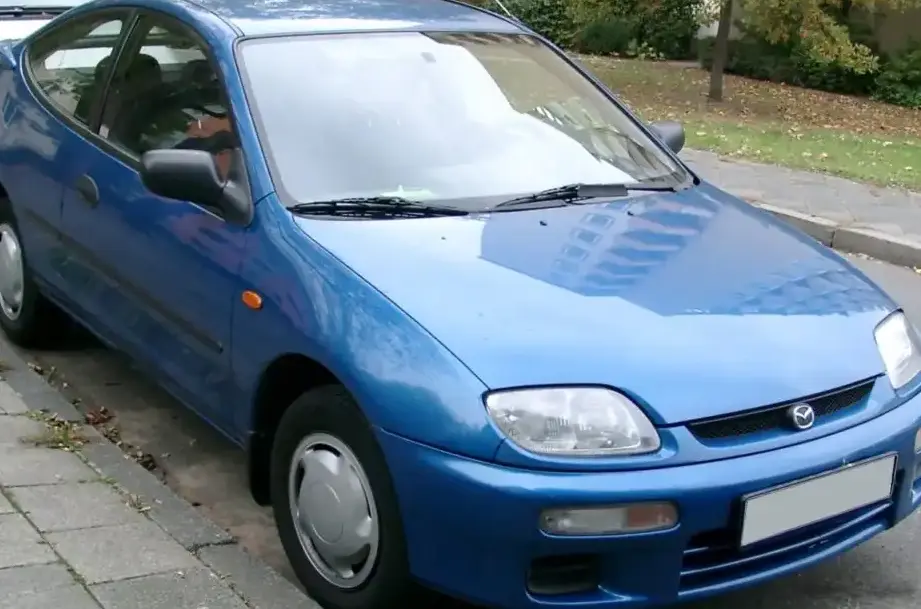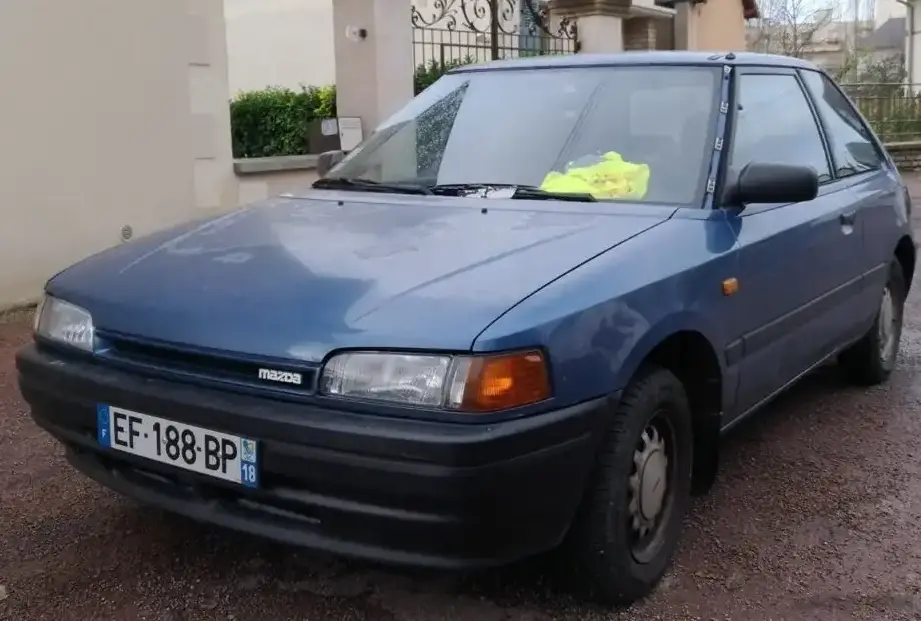
The Mazda 323 S IV (BG) 1.8 16V Turbo 4WD, produced between 1991 and 1994, represents a significant iteration of Mazda’s compact offering. This variant, positioned as a performance-oriented trim within the BG generation, combined a turbocharged 1.8-liter engine with a full-time four-wheel-drive system. It was primarily aimed at the European and Japanese markets, where demand for compact, all-weather performance cars was strong. The 323 S IV BG sought to blend practicality with a spirited driving experience, offering a more engaging alternative to naturally aspirated models in the range. It was a relatively short-lived model, superseded by subsequent iterations of the 323/Protegé line.
Technical Specifications
| Brand | Mazda |
| Model | 323 |
| Generation | 323 S IV (BG) |
| Type | 1.8 16V Turbo 4WD (163 Hp) |
| Start of Production | 1991 |
| End of Production | 1994 |
| Powertrain Architecture | Internal Combustion Engine |
| Body Type | Hatchback |
| Fuel Type | Petrol (Gasoline) |
| Engine Power | 163 Hp |
| Engine Aspiration | Turbocharger |
Powertrain & Engine Architecture
The heart of the 323 S IV 1.8 16V Turbo 4WD is the Mazda B8 engine, a 1.8-liter inline-four cylinder gasoline engine. This engine, designated as the BP, featured a cast iron block and an aluminum cylinder head. The “16V” designation indicates the engine’s four valves per cylinder configuration, enhancing breathing and contributing to its power output. Crucially, this variant employed a turbocharger, significantly boosting power and torque compared to naturally aspirated versions of the BP engine. The turbocharger was typically a Garrett unit, although specific models could vary. Fuel delivery was managed by a multi-point fuel injection system, providing precise fuel metering for optimal combustion. The engine’s compression ratio was around 8.5:1, a compromise between performance and reliability when used with a turbocharger.
The transmission paired with the BP engine was a four-speed automatic transmission. While not as engaging as a manual gearbox for performance enthusiasts, the automatic offered convenience and ease of use, broadening the car’s appeal. The four-wheel-drive system was a viscous coupling type, providing full-time all-wheel drive without driver intervention. This system distributed power to all four wheels based on traction demands, enhancing stability and grip, particularly in adverse weather conditions. The drivetrain components were robustly built to handle the increased power output from the turbocharged engine.
Driving Characteristics
The 323 S IV 1.8 16V Turbo 4WD offered a noticeable step up in performance compared to the standard 323 models. The turbocharger provided a surge of power in the mid-range, making overtaking and highway merging considerably easier. While the four-speed automatic transmission wasn’t known for rapid shifts, it provided smooth and predictable gear changes. The full-time four-wheel-drive system instilled a sense of confidence, particularly on slippery surfaces. However, the added weight of the 4WD system and automatic transmission did slightly impact acceleration compared to lighter, manual transmission variants.
The car’s handling was generally considered neutral and predictable, with the 4WD system minimizing understeer. The suspension, while not particularly sophisticated, provided a comfortable ride for everyday driving. The turbo lag was noticeable, requiring drivers to anticipate power delivery, but once the turbo spooled up, the acceleration was brisk. Compared to the naturally aspirated 1.6-liter models, the 1.8 Turbo 4WD offered a significantly more engaging driving experience, albeit at the cost of slightly increased fuel consumption.
Equipment & Trim Levels
The 323 S IV 1.8 16V Turbo 4WD typically came with a relatively well-equipped specification for its time. Standard features often included power steering, central locking, electric windows, and an upgraded audio system. Interior upholstery was usually cloth, with a sporty design. The dashboard featured a comprehensive instrument cluster, including a boost gauge to monitor turbocharger performance. Optional extras could include air conditioning, a sunroof, and alloy wheels. The trim level was generally positioned as a mid-to-high range offering within the 323 lineup, appealing to buyers seeking a blend of performance, comfort, and practicality.
Chassis & Braking
The 323 S IV BG utilized a MacPherson strut front suspension and a torsion beam rear suspension. This setup provided a good balance between ride comfort and handling. The braking system consisted of disc brakes on the front wheels and drum brakes on the rear wheels. While adequate for normal driving conditions, the rear drum brakes were a point of criticism, as they lacked the stopping power and heat dissipation of disc brakes. The car’s chassis was reinforced compared to standard 323 models to handle the increased power output and stresses from the 4WD system. Stabilizer bars were fitted to both the front and rear axles to reduce body roll during cornering.
Market Reception & Comparison
The Mazda 323 S IV 1.8 16V Turbo 4WD was generally well-received by automotive critics. It was praised for its strong performance, confident handling, and all-weather capability. However, some critics noted the turbo lag and the less-than-sporting nature of the four-speed automatic transmission. Compared to other turbocharged compact cars of the era, such as the Honda Civic VTi or the Toyota Celica GT-Four, the 323 offered a more affordable and accessible entry point into the world of forced induction. Fuel economy was reasonable for a turbocharged 4WD car, averaging around 25-30 mpg in mixed driving conditions. Reliability was generally good, although the turbocharger and 4WD system required regular maintenance.
Legacy
The Mazda 323 S IV 1.8 16V Turbo 4WD has developed a cult following among enthusiasts. The BP engine, in its various forms, is known for its durability and tunability. While finding well-maintained examples can be challenging, these cars offer a unique blend of performance, practicality, and retro charm. The 4WD system remains a desirable feature for those living in regions with inclement weather. In the used car market, prices for well-preserved examples have been steadily increasing, reflecting the car’s growing popularity and rarity. The 323 S IV 1.8 16V Turbo 4WD stands as a testament to Mazda’s engineering prowess and its commitment to producing engaging and enjoyable driving machines.