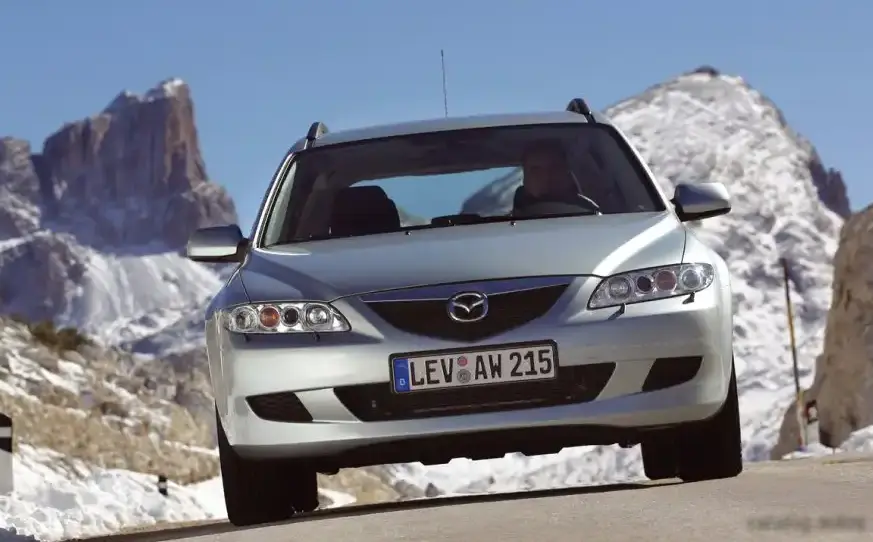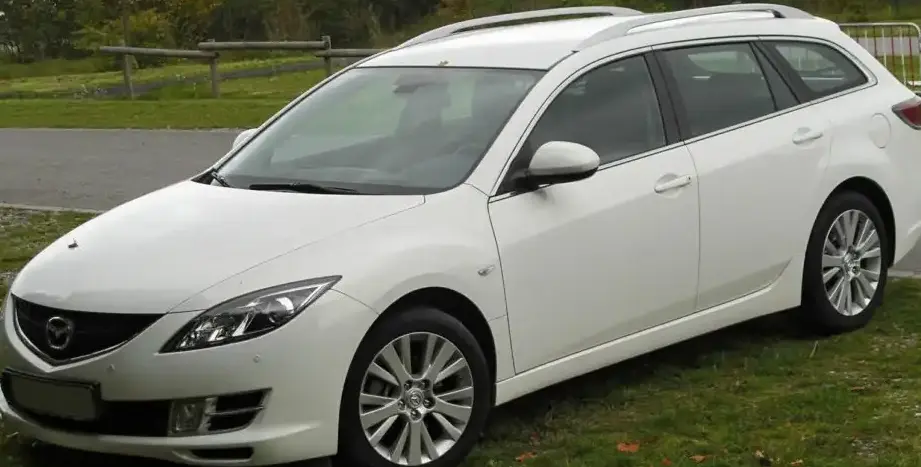
The Mazda 6 II Combi (GH) 2.5, produced from 2007 to 2010, represents a significant iteration of Mazda’s popular mid-size wagon. Positioned as a more performance-oriented offering within the second-generation 6 lineup (internally designated GH), the 2.5-liter variant aimed to provide a blend of practicality, driving enjoyment, and a more refined experience compared to the base engine options. This model year saw Mazda solidifying its reputation for building vehicles that were engaging to drive, and the Combi (wagon) body style offered increased cargo capacity without sacrificing the sporty character of the sedan. The GH generation Mazda 6 was sold globally, with variations tailored to specific regional markets, but this article focuses on the North American specification.
Technical Specifications
| Brand | Mazda |
| Model | 6 |
| Generation | 6 II Combi (GH) |
| Type (Engine) | 2.5 (170 Hp) |
| Start of production | 2007 |
| End of production | 2010 |
| Powertrain Architecture | Internal Combustion engine |
| Body type | Station wagon (estate) |
| Seats | 5 |
| Doors | 5 |
| Fuel consumption (urban) | 11.2 l/100 km (21 US mpg) |
| Fuel consumption (extra urban) | 6.4 l/100 km (36.8 US mpg) |
| Fuel consumption (combined) | 8.1 l/100 km (29 US mpg) |
| Fuel Type | Petrol (Gasoline) |
| Acceleration 0 – 100 km/h | 8.4 sec |
| Acceleration 0 – 62 mph | 8.4 sec |
| Acceleration 0 – 60 mph | 8 sec |
| Maximum speed | 218 km/h (135.46 mph) |
| Emission standard | Euro 5 |
| Weight-to-power ratio | 8.7 kg/Hp |
| Weight-to-torque ratio | 6.6 kg/Nm |
| Power | 170 Hp @ 6000 rpm |
| Torque | 226 Nm @ 4000 rpm (166.69 lb.-ft. @ 4000 rpm) |
| Engine layout | Front, Transverse |
| Engine displacement | 2488 cm3 (151.83 cu. in.) |
| Number of cylinders | 4 |
| Engine configuration | Inline |
| Cylinder Bore | 89 mm (3.5 in.) |
| Piston Stroke | 100 mm (3.94 in.) |
| Compression ratio | 9.7:1 |
| Number of valves per cylinder | 4 |
| Fuel injection system | Multi-port manifold injection |
| Engine aspiration | Naturally aspirated engine |
| Kerb Weight | 1485 kg (3273.86 lbs.) |
| Max. weight | 2010 kg (4431.29 lbs.) |
| Max load | 525 kg (1157.43 lbs.) |
| Trunk (boot) space – minimum | 519 l (18.33 cu. ft.) |
| Fuel tank capacity | 64 l (16.91 US gal | 14.08 UK gal) |
| Length | 4765 mm (187.6 in.) |
| Width | 1795 mm (70.67 in.) |
| Height | 1490 mm (58.66 in.) |
| Wheelbase | 2725 mm (107.28 in.) |
| Front track | 1550 mm (61.02 in.) |
| Rear (Back) track | 1550 mm (61.02 in.) |
| Drivetrain Architecture | The Internal combustion engine (ICE) drives the front wheels of the vehicle. |
| Drive wheel | Front wheel drive |
| Number of gears and type of gearbox | 6 gears, manual transmission |
| Front brakes | Ventilated discs |
| Rear brakes | Ventilated discs |
| Assisting systems | ABS (Anti-lock braking system) |
| Steering type | Steering rack and pinion |
| Power steering | Electric Steering |
Powertrain & Engine Architecture
The heart of the Mazda 6 II Combi 2.5 is the L3 engine, a 2.5-liter inline-four cylinder gasoline engine. This engine, part of Mazda’s MZR (Mazda Zoom-Zoom) family, utilizes a cast iron block with an aluminum cylinder head. The engine employs multi-port fuel injection and a variable valve timing system (S-VT) on the intake camshaft to optimize performance and fuel efficiency. The 9.7:1 compression ratio strikes a balance between power output and the ability to run on regular unleaded gasoline. The 2.5L engine produced 170 horsepower at 6,000 rpm and 166.69 lb-ft of torque at 4,000 rpm. The six-speed manual transmission was standard, offering precise shifts and a direct connection to the engine. An optional five-speed automatic transmission was also available, catering to drivers prioritizing convenience over ultimate control.
Driving Characteristics
The 2.5-liter engine and six-speed manual transmission combination provided a noticeably more engaging driving experience than the base 2.0-liter engine. Acceleration to 60 mph was achieved in approximately 8 seconds, making it competitive within its class. The engine delivered a linear powerband, with usable torque available throughout the rev range. The manual transmission’s gear ratios were well-matched, allowing for spirited driving on winding roads. The automatic transmission, while smooth, did result in a slight decrease in performance due to torque converter losses and less aggressive shift programming. Compared to the higher-performance Mazda 6 MPS (Mazdaspeed6) with its turbocharged engine, the 2.5L offered a more refined and predictable driving experience, prioritizing everyday usability over outright speed.
Equipment & Trim Levels
The Mazda 6 II Combi 2.5 was typically offered in well-equipped trim levels, often designated as “Grand Touring” or similar. Standard features generally included air conditioning, power windows and locks, a CD player with auxiliary input, and alloy wheels. Higher trim levels added features such as leather upholstery, a sunroof, a premium sound system, and automatic climate control. Safety features like ABS, traction control, and front and side airbags were standard across the range. Optional extras included navigation systems and heated front seats.
Chassis & Braking
The Mazda 6 II Combi featured a MacPherson strut front suspension and a multi-link rear suspension, providing a comfortable ride and responsive handling. The chassis was designed to minimize body roll and maximize stability. Braking duties were handled by ventilated disc brakes on all four wheels, providing ample stopping power. ABS (Anti-lock Braking System) was standard, enhancing safety in emergency braking situations. The suspension tuning was generally geared towards a balance between comfort and handling, making it suitable for both daily commuting and spirited driving.
Market Reception & Comparison
The Mazda 6 II Combi 2.5 was generally well-received by automotive critics. It was praised for its stylish design, engaging driving dynamics, and spacious interior. The 2.5-liter engine was considered a significant improvement over the base 2.0-liter engine, offering more power and refinement. Fuel economy was respectable for its class, averaging around 29 US mpg in combined driving. Compared to competitors like the Honda Accord Wagon and Subaru Outback, the Mazda 6 Combi offered a more sporty driving experience and a more visually appealing design. However, some critics noted that the interior materials were not quite as luxurious as those found in some of its rivals.
Legacy
The Mazda 6 II Combi 2.5 has proven to be a relatively reliable vehicle in the used car market. The MZR 2.5-liter engine is known for its durability, although regular maintenance is essential. Common issues include oil leaks and occasional sensor failures. The six-speed manual transmission is generally considered robust, while the automatic transmission may require more frequent servicing. Today, these wagons are appreciated by enthusiasts for their blend of practicality, style, and driving enjoyment. They represent a sweet spot in the Mazda 6 lineage, offering a compelling alternative to more common crossovers and SUVs.